
Genocide .live

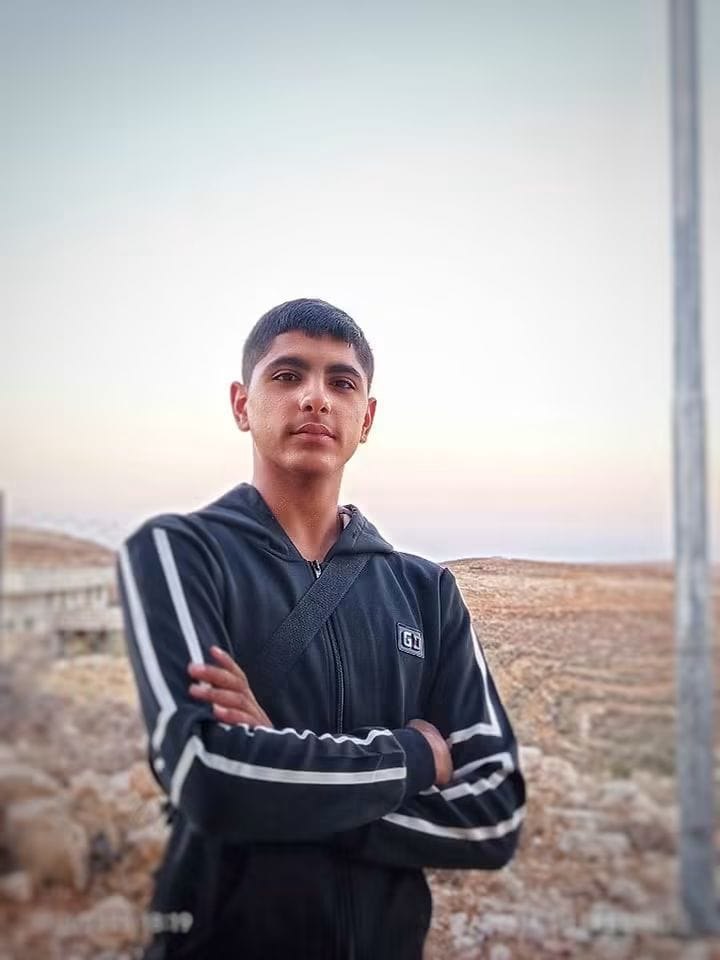
Murder of Karim Sanad Raja Shalaldeh, 17, by settler gunfire in Sa'ir
West Bank, Al-Khalil/Hebron, Wadi Sa'ir
21 August, 2026
At least 1 martyred
On August 21, 2026, around 11:25, several dozen armed settlers invaded by foot and ATV the Khirbet Harmoush neighborhood of Wadi Sa'ir, north of the Hebron Hills, in the occupied West Bank. They opened fire on residents and their homes, killing a child, wounding an elderly resident, and burning a house and shops containing fodder belonging to resident Ibrahim Mahmoud Shalalda.
The Israeli army did not intervene to stop the pogrom and even arrested several residents around 1:30, following the attack: Zain Fawzi Al-Tarwa, Sami Fayez Al-Tarwa, and his brother Osama.
Armed with assault rifles, the settlers injured three residents and killed 17-year-old Kareem Shalalda. The teenager later died from his critical gunshot wounds. His father, Sanad Shalaldeh, said about 50 Israeli settlers attacked their home and that one of them shot his son at close range: “My son was standing in front of the house and was doing nothing. Suddenly, about 50 people attacked the house. When he asked them to leave, they shot him in the chest.” Shalaldeh said around 50 Israeli settlers approached the family home and that one of them shot his son at close range. He added that his son was shot while trying to drive the attackers away from the house. He added that two other people were seriously wounded in the attack.
During the same attack, Israeli settlers set fire to a Palestinian family home, damaging the house and forcing family members to remain inside during the assault, according to the homeowners. Traces of fire and damage were visible at the home of Nadira Shallaldeh. She said her husband is around 90 years old and questioned why the family was being targeted, adding that her children had previously been forced away from the area.
**Name of the martyr:**
Karim Sanad Raja Shalalda, 17 years old.
**Other casulaty:**
The wounded man as a result of gunfire by settlers in the Hamroush area in Wadi Sa’ir is Samir Issa Al-Tarwa, 70 years old.
**Testimony of the Owner of attacked home, Nadira Shalaldeh:**
[source](https://www.reutersconnect.com/item/israeli-settlers-attack-palestinian-family-home-near-hebron-occupied-west-bank/dGFnOnJldXRlcnMuY29tLDIwMjY6bmV3c21sX09XQU5BQ0FBVklERU8yMDI2MDgyMTQyMjcyMzU5)
“We have been living here for nearly 20 years. We have livestock and we have children. Our sons are out in the open, and our daughters are married. They have left us with nothing. They have brought another Nakba upon us.”
“Now they say there are settlers coming from Barij… They told me, ‘Go, get away from there.’ I said, ‘Why? I stayed. Me and the old man stayed here.’ When they came, they started shooting. They broke the doors and the windows. What didn’t they do outside? They kept hitting the doors and the windows. They said, ‘Go, go.’ I told our children, ‘Don’t open [the door].’ They said, ‘Go away, go away.’ They did not let the old man enter. They said, ‘If the old man comes in, we will beat you and beat him.’ I mean, I was sitting with the old man. I did not see anything. They kept saying, ‘Go away.’ Our old man is about 90 years old. What can a 90-year-old man do to you? What does he have? Whether we are old or young, what have we done to you?”
“Every day, the settler comes by force. He wants you to leave the place and go. The settler comes. They had already driven our children away. The next day, he comes again. I mean, they want us to leave too.”
“We have endured, by God. Everything we have is in this house. We do not want to leave it. This house was built through the hard work of all my children. My children worked and worked on it. For 20 years, and now I should leave and hand it over to you? No. I want to die and be buried here. I will not leave it. No matter how much they pressure us, they want the house.”
“I mean, who can we complain to? As the saying goes, if your enemy is the ruler, who can you complain to? They are all the same, my son. By God, we have no one but God. And whoever fears God, He will make a way out for him. God willing, things will change. God willing, He will bring back those who are absent and set things right.”
**Israeli Police and Army statement**
According to The Times of Israel "The Israel Police said it launched an investigation into the incident, including into whether the building on fire had indeed been torched by settlers. The military says that the troops “dispersed the confrontation” and escorted all of the Israelis out of the Palestinian village. “The IDF clarifies that unauthorized excursions endanger those who take part in them, and divert forces from defense and counterterrorism operations in the area,” the army said.
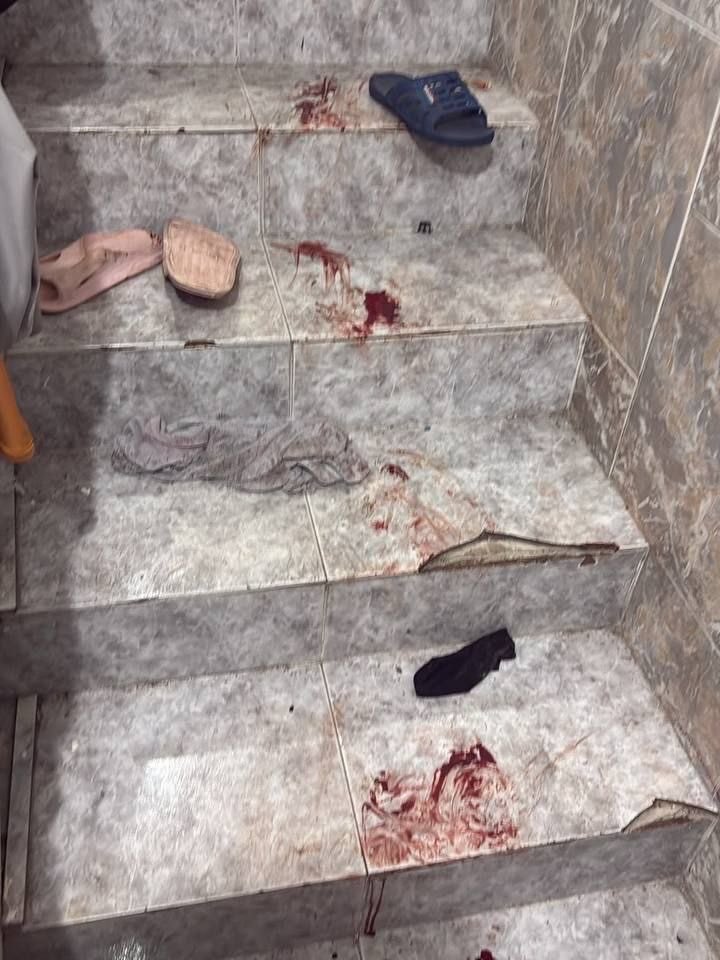
Summary execution of Fathi Khazem ‘Abu Raad' in his home
West Bank, Jenin
21 August, 2026
At least 1 martyred
On Augustus 21, 2026, overnight, an Israeli special forces invaded the home of Fathi Khazem, in Jenin, in the occupied West Bank, shot and killed him in front of the very eyes of his 12 y/o son, before seizing his body.
Fhati Khazem was a prominent Palestinian symbol of resistance who lost two of his sons, in 2022. The first one, Raad Khazem, after he has perpetrated a shoting attack on Israeli civilians in Tel Aviv, the other one when their family home was targeted by a misile during an Israeli revenge raid.
Medical and local sources confirmed that Israeli forces shot and killed Fathi Khazem directly inside his home after he resisted an abduction attempt. The attack took place during a military raid in the al-Masarwa neighbourhood of central Jenin.
**Mondoweiss investigation:**
Early Friday, 21 August, Israeli soldiers raided Fathi Khazem’s apartment in the al-Masarwa neighborhood of Jenin. He was there with his 12-year-old son, Adam. Before entering, soldiers had reportedly forcibly taken a young man from the neighborhood and used him as a human shield. They then blew open the apartment’s front door and stormed inside. Soldiers ordered Khazem to raise his hands, remove his clothes and kneel. Khazem refused to kneel and reportedly said: “Who are you that I should kneel before you?” A verbal confrontation followed. According to Adam and the young man used as a human shield, soldiers then began beating Khazem inside the apartment. Family members told Mondoweiss that Khazem attempted to defend himself, after which soldiers shot him at point-blank range. His 12-year-old son witnessed the execution.
Adam and the young man were then confined in the bathroom and forced to strip completely. The young man, who understood Hebrew, said he overheard soldiers discussing whether they should kill him and Adam as well. Khazem's brother Amin said eyewitnesses saw Fathi being shot even after he had already been wounded, describing the killing as a “premeditated crime” and “deliberate assassination.
**Testimony of relative**
*Speaking about Adam’s condition, another member of the family, Adam’s maternal uncle, told Mondoweiss the 12-year-old remains in severe psychological distress. “Imagine a 12-year-old boy watching his father being killed before his eyes, then stripped of his clothes and locked in a bathroom with a man he doesn’t even know,” the uncle said. “Up until this moment, Adam hasn’t cried or shed a single tear.”*
*He added that Adam was deeply attached to his father and accompanied him everywhere. When he saw Israeli soldiers assaulting his father and opening fire, he ran toward them and held up his father’s ID card, hoping they would stop. Instead, they shot his father in the chest and head in front of his eyes.*
**Broader context:**
Fathi Khazem’s name emerged in April 2022 after his son Raad carried out a shooting attack in Tel Aviv, killing 3 and injuring 6 Israeli civilians, and was subsequentely killed by the Israeli army. In the few hours that followed the killing of his son, Fathi, called “Abu Raad”, went out to receive the crowds of mourners, addressing them loudly and in defiance of the Israeli occupation, declaring his determination to continue resisting Israel until the liberation of Palestine.
The Israeli forces had stormed Jenin camp multiple times in the attempt to reach him, including destroying his house (on September 6, 2022) and asking him to surrender himself to them. Abu Raad had never handed himself in.
Israel Hayom published a full report on Fathi Khazem 'Abu Raad', titled “The Birth of a New Hero,” commenting on his ability to command the respect of the broad Palestinian public, which “sees him as a leader.”
On September 28, 2022, an Israeli special forces unit killed his son, Abdul Rahman Khazem, in a revenge operation against his slain brother, and his father, who had been pursued by the Israeli occupation forces since April 2022. In the same attack, Ahmad Alawneh, 24 years old and worked as a Palestinian Authority (PA) intelligence officer, was killed and his body desecreted by Israeli soldiers. Abdul Khazem and Ahmad Alawneh, were killed when Hazem’s father’s home was hit by a missile. The army then proceeded to encircle the home, during which heavy armed clashes broke out with several Palestinian fighters.
His daughter Shaimaa has reportedly been held under administrative detention for more than a year.
According to his brother, a Palestinian Authority-brokered understanding with Israel had supposedly guaranteed that Israel would no longer pursue or arrest Fathi, provided he stayed out of public life, left Jenin and made no public statements.
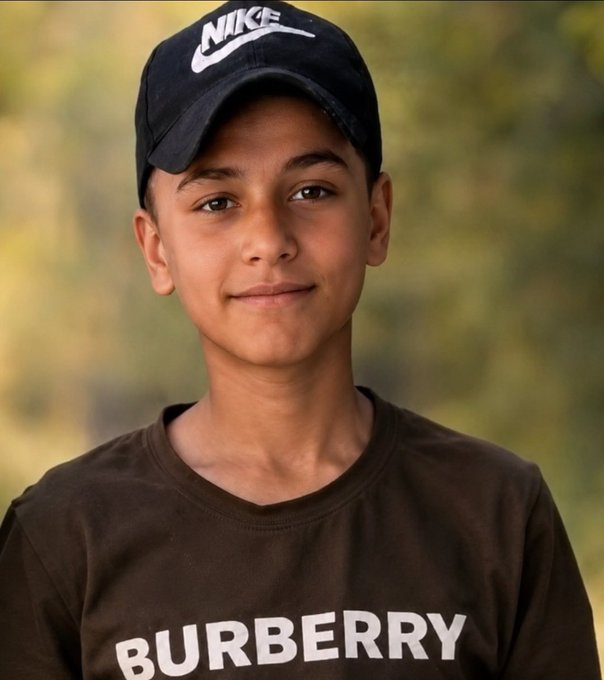
Israeli gunfire kills child in the safe area
Gaza, Beit Lahia, North Gaza
20 August, 2026
At least 1 martyred
Local sources reported and documented intense gunfire from Israeli artillery on eastern Beit Lahia within the Yellow Line in the first half of the day. The assault lasted until the evening and led to the murder of a child after he was shot in the head.
**Name of the martyr:**
1. Ahmad Ramzi Aql (15 y/o)
The child brother and father
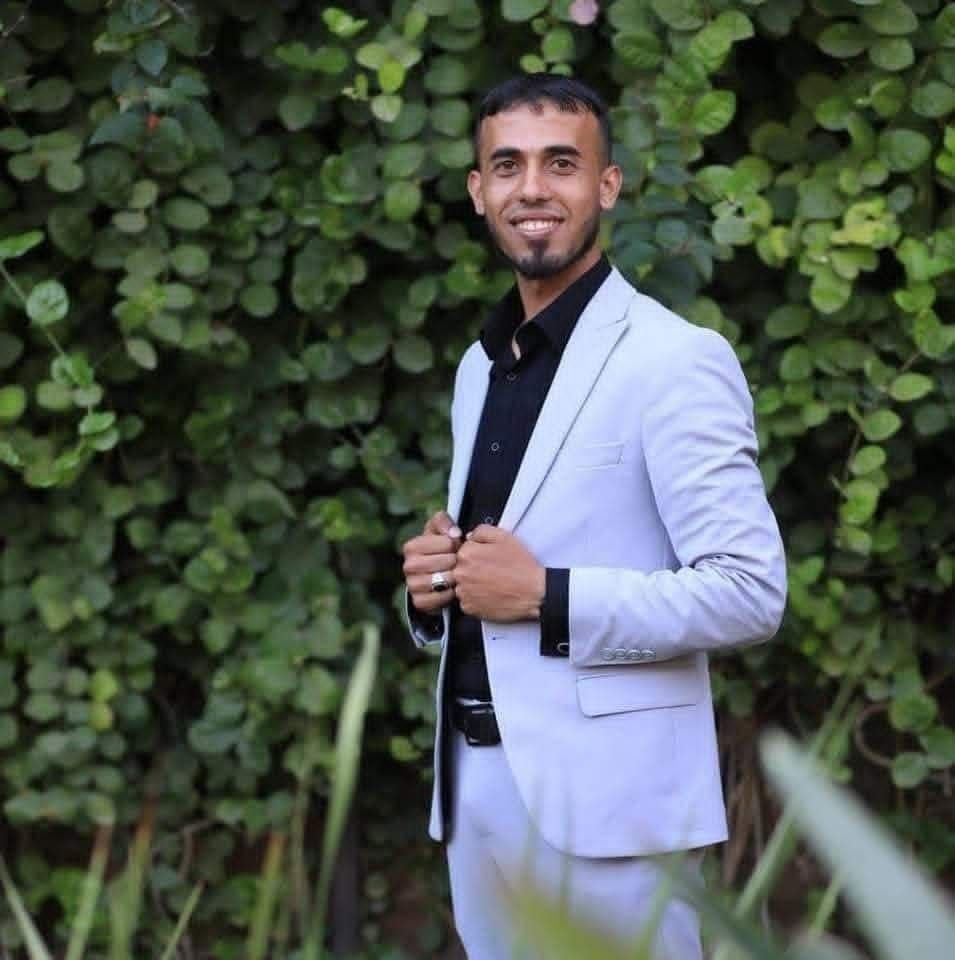
Young man killed in Nuseirat
Gaza, Deir al-Balah, Nuseirat
19 Aug, 2026 - 19 Aug, 2029
At least 1 martyred
Around 1 pm, an Israeli airstrike targeted a motorcycle in wetsern Nuseirat camp, killing a young man, who became the fifth of his siblings to be killed in the genocide.
**Name of the martyr:**
1. Sobhi Sami Shahtout
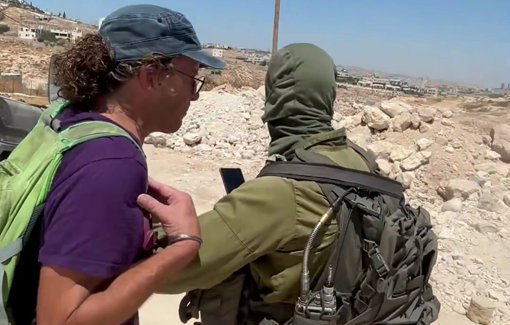
Jannatah under settler and soldier attacks
West Bank, Bethlehem, Jannatah
18 August, 2026
**On 25 August, 2026** Israeli activists from "Stading together" went to Jannatah specifically to help Palestinian residents protect several homes on the outskirts of the village, including by installing a fence/barbed wire. The area had been repeatedly attacked by settlers. The activists were then attacked by masked settlers with clubs, stones and pepper spray.
This is connected to the nearby unauthorized outpost Kochav Yehuda, whose residents had repeatedly harassed Jannatah residents. Israeli authorities demolished the outpost that morning, but it was subsequently rebuilt.
**On September 23, 2026**, Israeli military raided on Jannatah, during which forces entered and searched several named Palestinian homes: those of Ismail Abdullah Issa al-Arouj, Ibrahim al-Zeer and Sheikh Dawoud Hassan al-Zeer
**On October 1, 2026**, the activists Standing Together had gone to help Palestinian farmers prepare for the olive harvest. According to Standing Together, approximately 20 settlers came down from two outposts, Kochav Yehuda and Itam, and attacked them with clubs, pepper spray and stones
The Times of Israel reports that four activists were injured and three were taken to an Israeli hospital, with two suffering head injuries. The Palestinian landowners were positioned behind the Israeli activists, closer to the built-up part of the village, and were not injured in that particular attack.
Gaza Port cafe massacre
Gaza, Gaza City, Gaza Port
18 Aug, 2026 - 19 Aug, 2026
At least 9 martyred
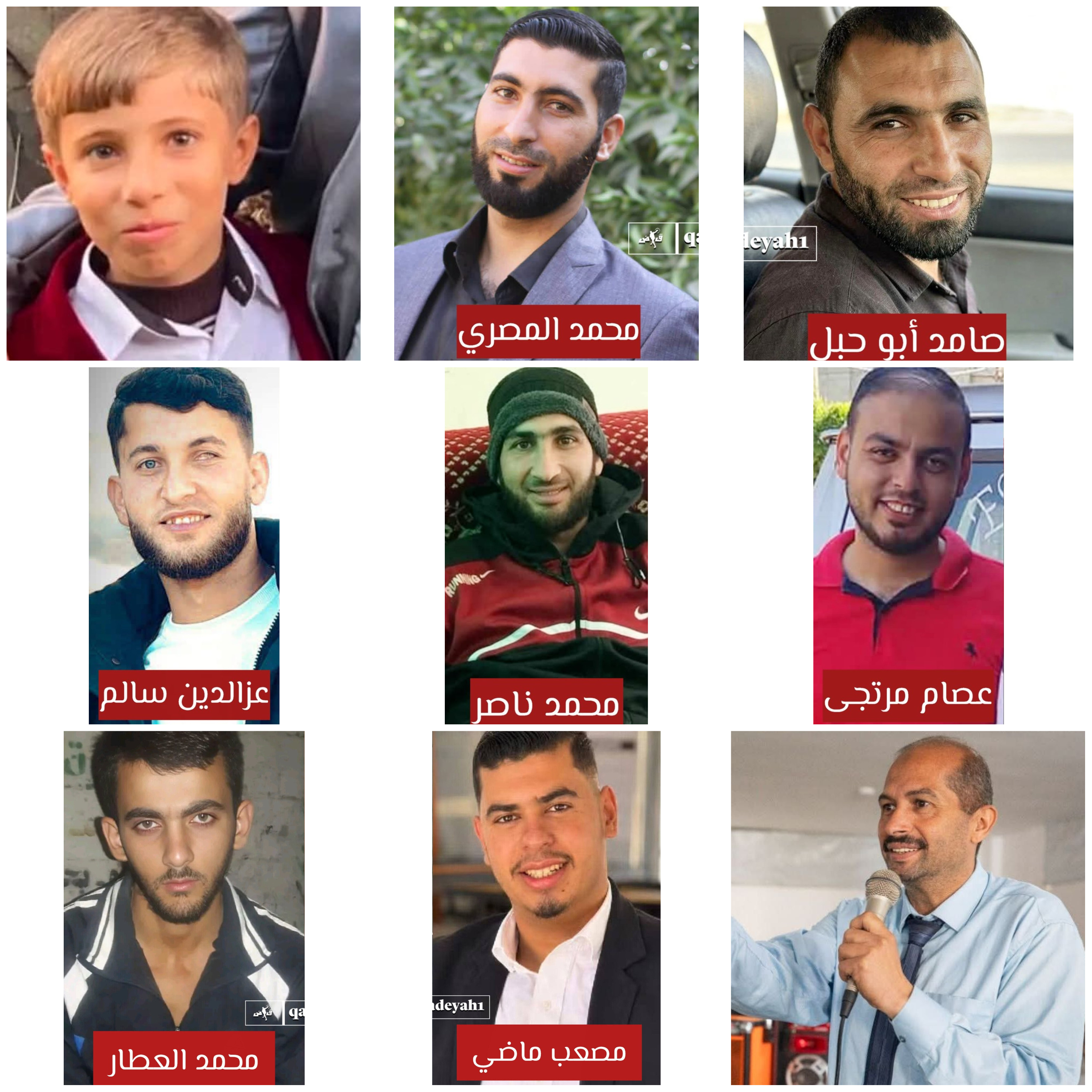
At 6 pm, an Israeli airstrike targeted the *'A-lhulwa wi'lmurra ("through tick and thin")* cafe at the Gaza City harbor. At least six people were killed on the spot including a child, and 14 others were injured.
Two other young men succumbed to their wounds by the morning.
Among the the wounded was an elderly mother whose right hand was gruesomely severed as a result of the blast that also killed her son Isam Mortaja.
**Names of the martyrs (identified):**
1. Muhammad Hamdi Ahmad Al-Masri (father)
2. Jihad Muhammad Hamdi Al-Masri (child son)
3. Izz-eddin Salem Deeb
4. Isam Muhammad Musa Mortaja
5. Muhammad Fathi Husein Naser
6. Samed Sameer Harb Abu Habal (his wife, children and in-laws were killed in at home in December 27, 2023. He remarried and was expecting a baby son)
7. Muhammad Najeeb Al-Attar (succumbed to injuries the next morning)
8. Mosab Muhammad Madi (succumbed to injuries the next morning)
9. Mahmoud Hosni Abu Shar (succumbed to injuries 6 days later)
Bloody settler attack in Sa'ir
West Bank, Masafer Yatta, Al-Khalil/Hebron, Sa'ir
14 August, 2026
On Augustus 14, dozens of settlers blocked with their cars the entrance of the town of Sa’ir, northeast of Hebron in the southern West Bank. Then, armed fired live rounds at Palestinian citizens and their homes after invading the “Al-Adisa” area of Sa’ir town, resulting in the injury of two civilians.
The Israeli army were filmed facilitating the attack of the settlers.
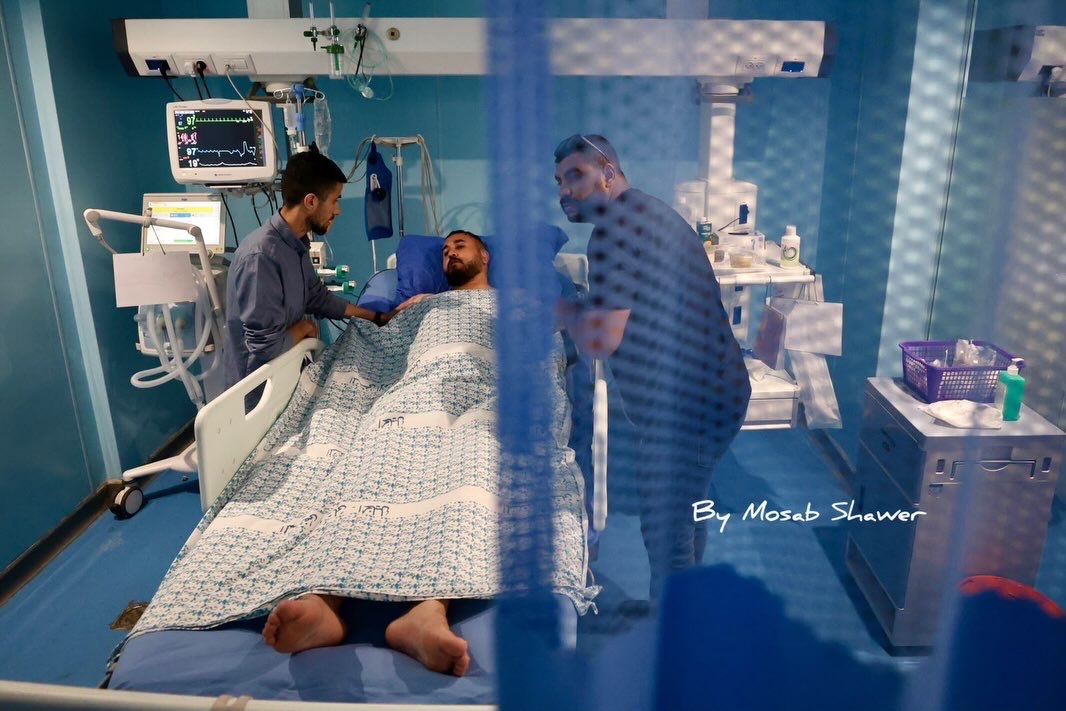
The Palestinian Health Ministry condemned the attack by Israeli Settlers adding that settlers shot the young man Mohammad Nabil Mutawwar, 26, who is a nurse who works at the Dura Governmental Hospital.
The nurse Mutawwar was initially transported to the Hebron Governmental Hospital, before being transferred to the Al-Ahli Hospital in Hebron due to the seriousness of his injuries.
**Casulaties:**
1. Muhammad Nabil Al-Mutawer (27), an ICU nurse at Dura Governmental Hospital in Hebron, suffered a severe back injury. The Nursing Syndicate says the gunfire caused a complete spinal cord injury, leaving him permanently paralysed.
2 & 3: Two Palestinians, including a girl, were injured when israeli settlers opened live fire on Palestinians and their homes in Sa’ir, north of Hebron.
Settler attack near Beit Sahour
West Bank, Bethlehem, Beit Sahour
14 August, 2026
On Friday, 14 August, Palestinian landowners and roughly 100 Palestinian and Israeli activists, including members of Combatants for Peace, went to privately owned Palestinian land on the outskirts of Beit Sahour, east/southeast of Bethlehem. The immediate reason was that Israeli settlers had taken over an existing/abandoned building on the Palestinian property and had begun installing Israeli symbols there. Activists feared this was the beginning of a wider takeover of the surrounding land.
The activists entered the property with the Palestinian owners, removed Israeli flags and other symbols from the building, replaced them with Palestinian flags, and planted olive trees.
**The armed settlers**
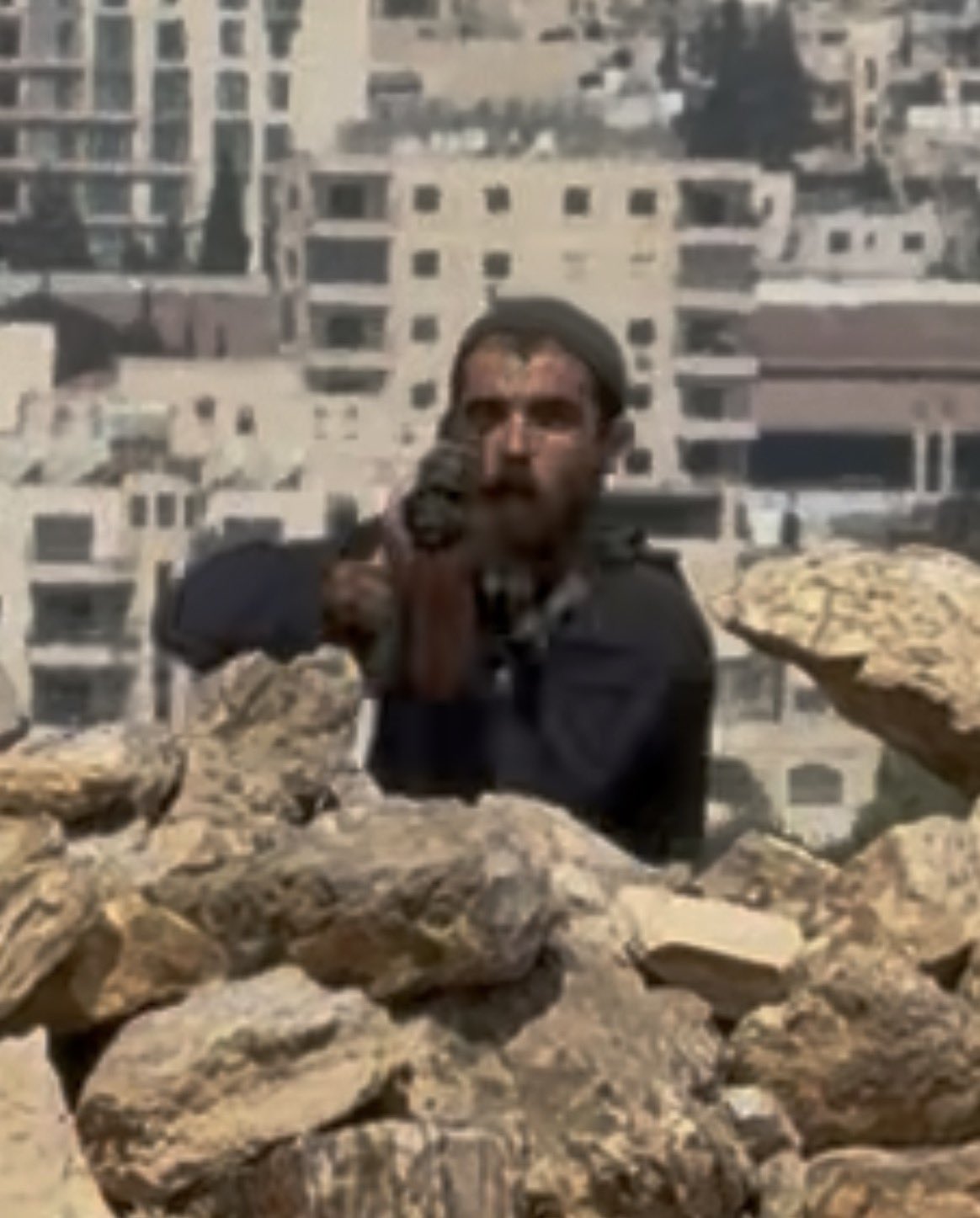
An armed Israeli settler then arrived, and called other settlers by phone. One of the little gang (pproximatively 6 people) repeatedly fired live ammunition into the air. Video shows him subsequently pointing a loaded firearm directly toward Palestinian and Israeli activists. One account says a bullet struck stones in the wall close to the people present. No injuries were reported.
Reuters footage from the scene also documents the armed settler approaching the activists and Palestinian landowners, with other armed settlers present.
There were journalists at the scene, at least a Palestinian one, a japanese and an Italian, meaning the incident was not only a confrontation between settlers and Palestinian residents; the live-fire episode occurred in the presence of Palestinian activists, Israeli activists and members of the press.
Israeli soldiers subsequently arrived. According to Haaretz and the testimony of activists present, the soldiers ordered the activists and Palestinian landowners to leave the property, while the settlers remained. The IDF described its intervention as responding to a “disturbance” and said that forces dispersed the gathering and restored order.
As ususal, the armed settler who had fired live ammunition was not the person removed from the site; the Palestinians and solidarity activists were removed. The settlers subsequently returned to the building and reinstalled the Israeli flags and symbols that the activists had removed.
The nearby settlement is called Shdeman. But some of the armed settler may come, by appearance, from the Har Hamor yeshiva that sits in the Har Huma settlement/neighborhood.
**Testimony of an activist to Haaretz:**
As part of their attempts, the settlers hung Israeli flags and the Star of David on a stone building located between the settlement and inhabited residences in the town. "*The way we arrived, we were divided into groups, and at an early stage we started hearing shots that got closer and closer, one of them hit the stones of the nearby wall", said the activist. "One of the settlers fired in the air and then pointed the weapon at us and fired in the air again, like that about three times. Four armed settlers arrived and shouted at us to fly away from the place, which is their territory"*.
**Testimony of Roni, Israeli activist/ protective presence**
"This morning, I took part in a solidarity action in Beit Sahour organized by Combatants for Peace (@cforpeace1). The plan was completely different from what ultimately happened. The intention was to stand in solidarity with the residents of Beit Sahour and the landowners in the area, who are dealing with the threatening and violent presence of settlers from the new and violent Shdema outpost, established in November 2025 near the city.
We planned a nonviolent action: to reach the Palestinian lands, plant olive trees, and go to a Palestinian home on which settlers had hung Israeli flags and a Star of David. We wanted to remove the symbols that had been placed on a house that does not belong to them, clean up the site, and replace them with a Palestinian flag and peace flags carrying messages of Palestinian-Israeli partnership, justice, and equality.
We managed to do that part. We removed the Israeli flags and the Star of David from the house and hung a Palestinian flag and peace flags.
Then the settlers from the outpost arrived. They were armed, and one of them did not hesitate to simply point his weapon at us and fire. I’m sharing the video of the settler shooting. Fortunately, no one was injured.
Later, the settlers tried to take the ladder from us so they could climb back onto the Palestinian house and put back the flags and symbols we had removed.
Then came the part that has become routine in the West Bank. The settlers called the army. The army arrived. They refused to take our complaint about the shooting and ordered us to leave.
The settlers stayed, and the Israeli flags were put back up on the Palestinian house and on the hill opposite. We didn’t have time to plant the olive trees.
And this is about much more than a story about a shooting, flags, or a single action that was stopped.
The residents of the area have been dealing for some time with an outpost that exerts relentless pressure on them. Settlers come down toward the homes and agricultural lands, threaten and harass them, while Palestinians are struggling to reach and cultivate their own land.
This is how territory is taken over. Not in one day, but step by step. Establish an outpost. Move down onto Palestinian land and prevent its owners from reaching it. Instill fear. And anyone who comes to stand with them and try to enable them to remain on their land is removed by the army.
Not “friction.” Not “both sides.” One system, with a clear division of roles."
**Expertise from Dror Etkes**
In order to understand how disturbed this story is, you need to know the area. The Shadma settlement was established and is still an illegal settlement also according to the laws of the apartheid regime. The official jurisdiction defined for it is about 93 dunams, which are based on a Jordanian expropriation from 1965 for a military base, which was established there and which Israel inherited after the occupation of the West Bank in 67. The building seen in the photographs is 500 meters as the crow flies east of the settlement's jurisdiction, a place that is privately owned by Palestinians who were expelled from the place by the settlers with the backing of the army. The settlement is adjacent to a military base, receiving water, electricity, an access road from it. Babysitting services 24/7 - everything a rotten outpost in the West Bank needs. The settlers, who by appearance can be understood to come from the Har Hamor yeshiva that sits in the Har Huma settlement/neighborhood, take over the area around the base/settlement. This is of the order of about 500 dunams owned by the residents of Beit Sahor and Bethlehem."
Re-establishment of the Ganim settlement near Jenin
West Bank, Jenin, Ganim settlement (גַּנִּים)
13 August, 2026
## **Historical context**
Ganim was an Israeli settlement located in the northern West Bank, just east of the Palestinian city of Jenin. It was administratively managed under the Shomron Regional Council.
## **Ganim's history prior to its physical re-establishment in August 2026**
1. Foundation, Origins, and Geography (1983–2005)
Ganim was founded in 1983 by members of the Betar movement. Its name was derived from the assumed biblical name of nearby Jenin, Ein Ganim (Anem), associated with the Tribe of Issachar.
2. Following the Oslo Accords, Ganim and the neighboring settlement of Kadim remained enclaves located east of Jenin, which observers note are part of a network of infrastructure designed to surround the city.
3. Evacuation During the Disengagement (2005). In the summer of 2005, Ganim's residents were evacuated and its synagogue was dismantled by the Israeli army as part of Israel's unilateral disengagement plan. Ganim was one of four settlements in the northern West Bank evacuated under this plan, alongside Kadim, Homesh, and Sa-Nur.
4. Post-Evacuation Status: Following the evacuation, the Knesset passed the Disengagement Law, which formally barred Israeli citizens from entering these evacuated areas, leaving the region between Nablus and Jenin without an Israeli civilian presence for nearly two decades
5. Transition Period and Path to Re-establishment (2023–2025)
Repeal of the Disengagement Law (2023): On March 21, 2023, the Knesset passed a law repealing the entry prohibition for the four evacuated northern West Bank settlements. Initially, a military order in May 2023 permitted entry only to Homesh.
6. In May 2024, under the direction of then-Defense Minister Yoav Gallant, the military command extended the cancellation of the disengagement restrictions to cover the entire northern West Bank area, including Ganim.
7. On December 11, 2025, the Israeli security cabinet officially approved the re-establishment of Ganim as part of a decision to establish 19 new settlements. This decision paved the way for preparatory work on the site and the eventual return of Israeli families in August 2026.
## **Timeline of Ganim's re-establishment from 2025 up to August 2026**
On December 11, 2025, the Israeli security cabinet officially approved the re-establishment of Ganim (alongside the neighboring Kadim settlement) as part of a formal decision to establish or reorganize 19 settlements in the occupied West Bank.
In late February 2026, the Israeli military began reoccupying and preparing an abandoned military base in the Jenin area to support the impending civilian return.
On March 17, 2026, the very first caravans and mobile homes were delivered and set up on the grounds of the evacuated settlement to begin preparing the physical outpost.
April – May 2026: Operational Launch, Land Seizures, and Boundaries
Official Procedures Begin: In late April 2026, Yossi Dagan, head of the Samaria Regional Council, declared the official commencement of physical procedures to reconstruct and repopulate the Ganim settlement.
On May 17, 2026, the Israeli military command issued an order to seize 22 dunums of Palestinian land near the Haddad tourist area (located in Qabatiya, south of Jenin) specifically for the benefit and reconstruction of the Kadim and Ganim settlements.
To legally consolidate the territory, IDF Central Command Commander Gen. Avi Bluth signed military orders defining Ganim's new jurisdictional boundaries, creating a closed military zone of 2,790.56 dunams
On July 23, 2026, a Palestinian Authority policeman allegely stabbed a man in the Ganim area before being shot and killed by Israeli forces.
In early August 2026, the Israeli military demolished 27 Palestinian structures within the Jenin governorate. Finance Minister Bezalel Smotrich explicitly stated that these demolitions were carried out to pave the physical way for the return of settlements to Ganim and Kadim.
Along the road leading to Ganim, the Israeli army leveled adjacent Palestinian property and used piles of rubble to block local access roads, disconnecting nearby Palestinian communities.
By August 6, 2026, around two dozen prefabricated homes had been installed on Ganim's hillside as bulldozers leveled more of the surrounding terrain to make room for further construction.
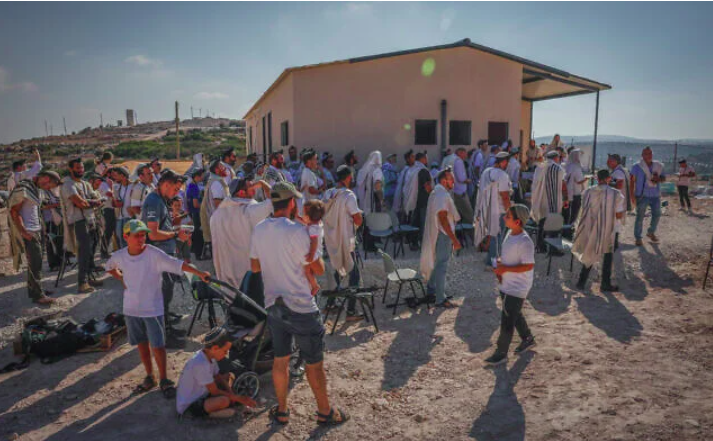
On Thursday, August 13, 2026, Israeli settler families officially repopulated Ganim, 21 years after the evacuation during the 2005 unilateral disengagement plan.
Inauguration Ceremony: To secure the arrival of settlers and officials, the military closed off side roads and main entrances from Haddad Roundabout to the Al-Jalama military checkpoint. The physical return was celebrated on-site by Samaria Regional Council head Yossi Dagan, Defense Minister Israel Katz, and Communications Minister Shlomo Karhi.
## **Annexationist Declarations:**
At the ceremony, Bezalel Smotrich declared that "Samaria is ours... an inseparable part of the Land of Israel and the State of Israel," emphasizing that repopulating Ganim carried significant strategic security value.
Defense Minister Israel Katz, who also attended the ceremony, said: “This is our home, this is the Land of Israel, this is where we will remain forever.”
Samaria Regional Council head Yossi Dagan called the move “a moment of historic rectification” and said the government’s plans would significantly increase the Jewish population in northern Samaria.
New settlement system around Arraba (Mabo Dotan / Emek Dotan)
West Bank, Jenin, Arraba
09 August, 2026
the 2026 developments appear to be creating a new territorial system around Arraba, combining military infrastructure, settlement expansion, a newly established settlement, road construction and restrictions on Palestinian land access. This is considerably broader than simply enlarging Mabo Dotan settlement (founded in 1978). But also seizing land around Arraba, establishment of a new settlement (Emek Dotan) and the consruction of a road between the both.
Mabo Dotan (Mevo Dotan) is an existing Israeli settlement, established 1978. The planned expansion is ~455 units.
Emek Dotan is a new Israeli settlement, established on August 9, 2026 for ~22 families initially on the former Menashe Brigade HQ evacuated in 2005 during the "disegngagement" wave.
The Military site at the east of Arraba: ~128.6 dunams seized + dedicated access road
**January–February 2026 — Military reactivation**
Israel began reactivating military infrastructure around Arraba.
A particularly significant site is the former headquarters of the Menashe Brigade, evacuated during Israel’s 2005 disengagement. The site would later become the location of the new Emek Dotan settlement.
From 1 March, three Palestinian families — 13 people, including five children — were forced to leave their homes in Arraba. According to OCHA, the Israeli military had been periodically using the houses as observation posts, near a military site reportedly being reactivated.
**March 2026 — Military land seizures and road construction**
On 13 March, Israeli military orders seized 128.6 dunams east of Arraba for the expansion of a military site; another 3.6 dunams for a road serving the site. A further order targeted 21.43 dunams for vegetation removal near the military site.
There is a separate military development directly east of Arraba.
**25 March / April — Decision to establish new settlements including Emek Dotan**
On 25 March, Israel's Security Cabinet approved the establishment of 34 new settlements/outposts in the West Bank. Emek Dotan was among the new settlements announced in this wave. The project was connected to the broader settlement-expansion strategy promoted in northern Samaria.
**May–July 2026 — Emek Dotan takes shape**
Preparations began to establish a new settler community on the former Menashe Brigade military site. The project was promoted by the Samaria Regional Council and Amana, with the settlement presented as part of a broader effort to establish new Jewish communities in northern West Bank. At the same time, plans were advancing to expand the existing Mabo Dotan settlement.
**July 2026 — Expansion of Mabo Dotan**
A plan was advanced for approximately 455 new housing units in the existing Mabo Dotan settlement. The expansion involves approximately 539 dunams of Arraba land.
**29 July 2026 — Major land seizures for roads**
The Israeli military issued 15 land-seizure orders in the Jenin governorate, covering roughly 200 dunams. Fourteen of the orders concerned roads, together exceeding 11 km. Several orders affect privately owned Palestinian land belonging to residents of Arraba and neighboring communities. The road network is intended to create territorial connections between the new settlements, including Emek Dotan and Noa.
**9 August 2026 — Emek Dotan officially established**
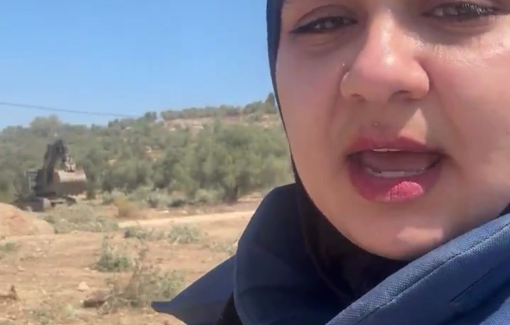
Israeli ministers and Knesset members inaugurated Emek Dotan on Palestinian land belonging to Arraba. Around 22 settler families initially participated in the establishment of the settlement.
Prefabricated structures were brought to the site and families began moving in. The location is particularly significant because it occupies the site of the former Menashe Brigade headquarters.
**9 August — Palestinian homes used as military positions**
On the same day, Israeli forces temporarily seized a Palestinian home in Arraba, expelled its resident and turned the house into a military post.
Other Palestinian homes were reportedly used as military positions in order to secure access to the new settlement inauguration.
**August 2026 — Encroachment on Palestinian properties**
A Palestinian family’s house was left approximately 50 metres from the new Emek Dotan settlement. Palestinian farmers were subjected to removal orders and restrictions affecting agricultural land. One farmer was reportedly given only 48 hours to remove his agricultural installation, forcing him to harvest grapes prematurely.
**September 1–5 2026 — Large-scale land clearing**
Israeli bulldozers began leveling agricultural land and uprooting olive trees along the Arraba–Ya'bad road, around Arraba station and toward Nablus Road. Approximately 223 dunams were reportedly affected.
Farmers were prevented from reaching their land.
At the same time, demolition/construction-stop orders were issued against four Palestinian houses belonging to the Rahhal family near Emek Dotan.
**The sequence of the colonization:**
Military reactivation
↓
Palestinian evictions / homes converted into military posts
↓
Military land seizures
↓
Construction of military roads
↓
Government decision to establish new settlements
↓
Expansion of Mabo Dotan
↓
Establishment of new Emek Dotan settlement
↓
New roads connecting settlement blocs
↓
Further restrictions / eviction orders
↓
Large-scale agricultural land leveling and olive-tree uprooting