
Genocide .live

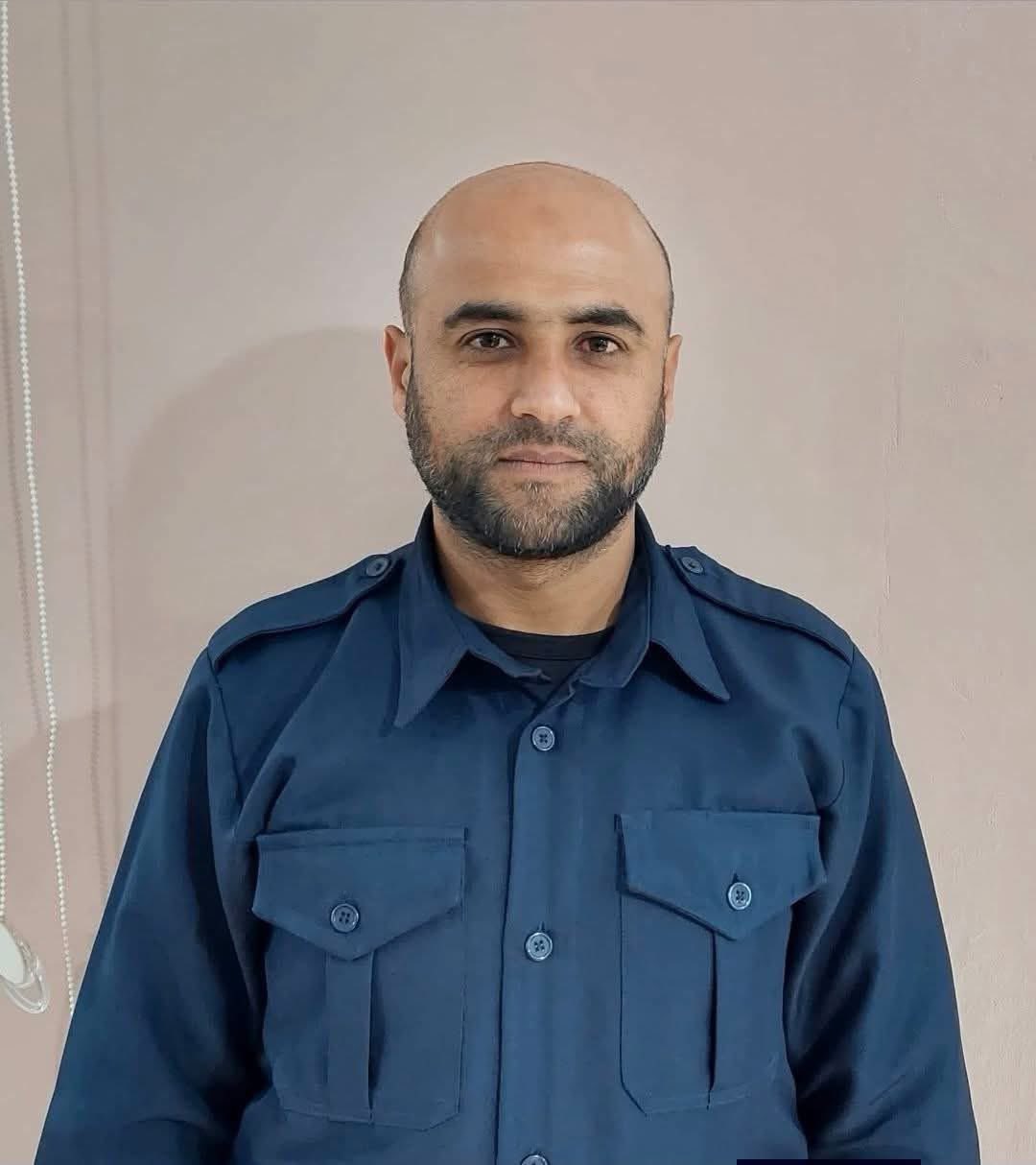
Police officer killed in Khan Younis
Khan Younis, Gaza
21 September, 2026
At least 1 martyred
Around 3 pm, an Israeli airstrike targeted .... in Al-Sikka area, central Khna Younis, killing at least one man.
**Name of the martyr:**
1. Lt. Musa Abu Marouf "Abu Muhannad"
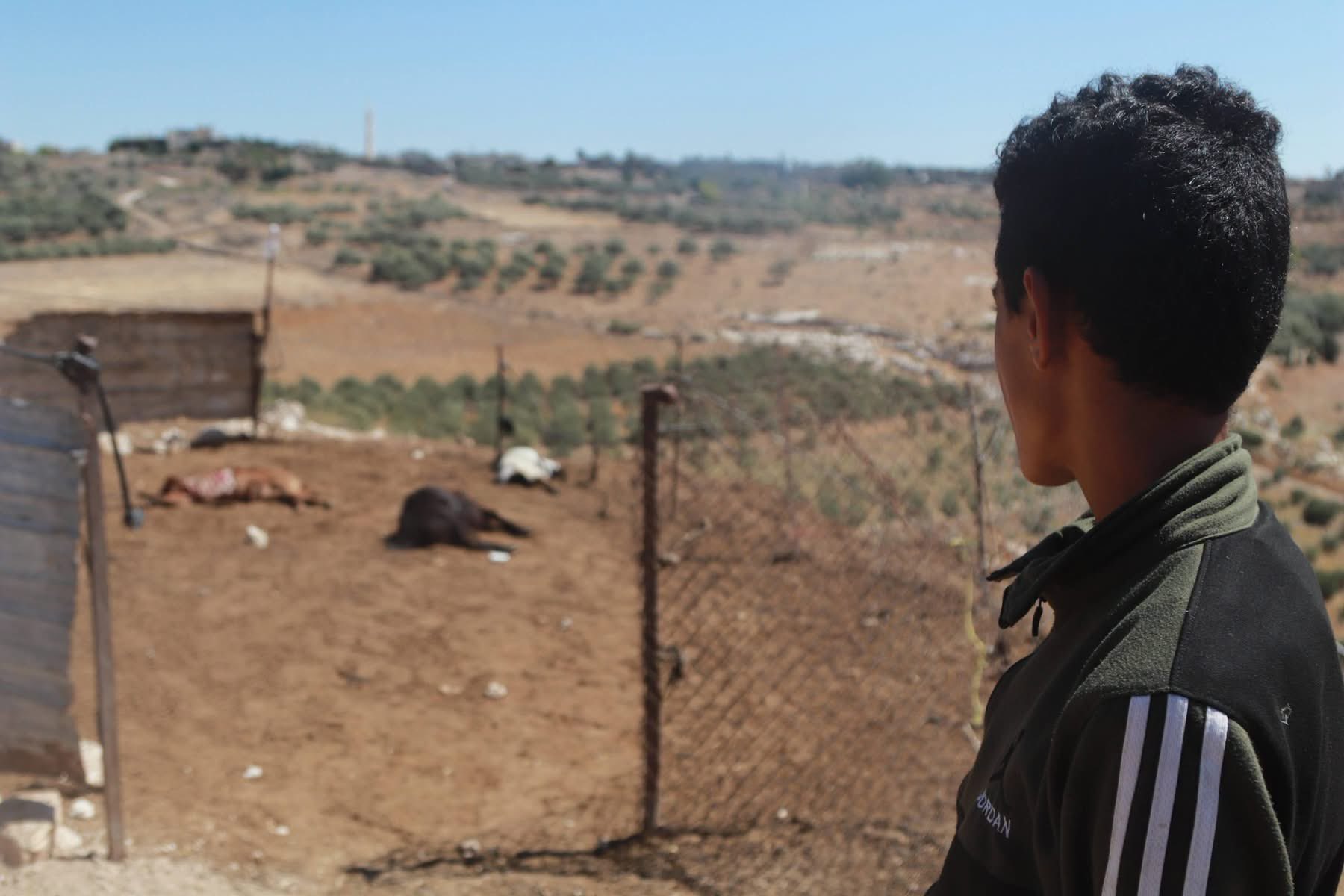
Massacre of livestock by artillery in Syria
Syria, Daraa, Abdin
21 September, 2026
At least 9 martyred
Early morning, Israeli artillery struck the outskirts of the village of Abideen, in the Western Daraa countryside in Syria, killing between 9 and 15 goats belonging to the community and one of their main sources of income.
Remnants of Israeli mortar and ullimation shells were found on the massacre site.
According to a villager, the assault occured between 3am to 4am when Israeli occupaiton forces launched illumination flares on the village then proceeded to shell and kill at least 9 goats. The villager and journalists added that Israeli troops pass by the villages in the area frequently–at least every 6 days–restricting the villagers ability to access their farmlands.
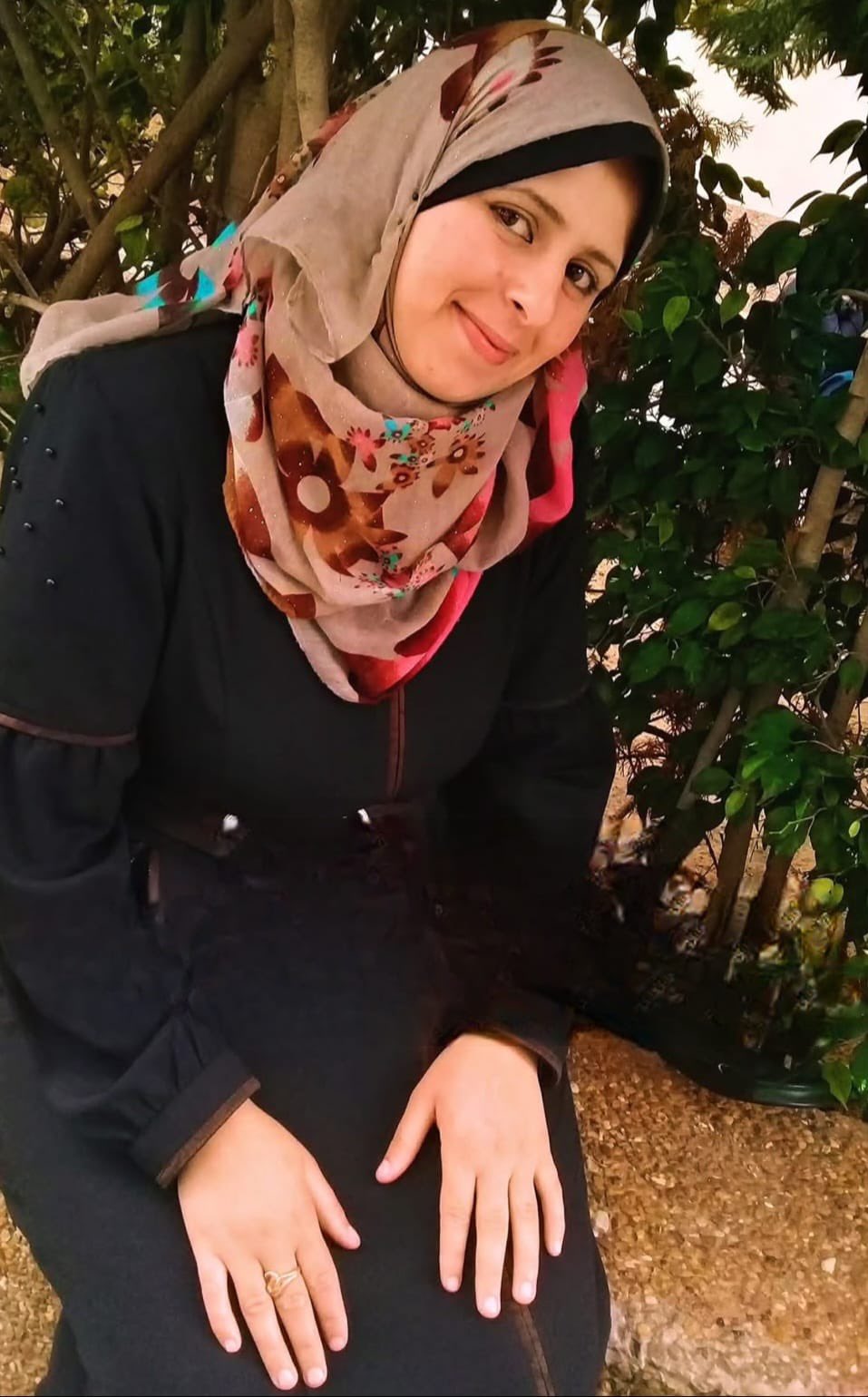
Woman and child shot
Gaza, Deir al-Balah, Salah al-Din Road
21 September, 2026
At least 1 martyred
Around 7 am, Israeli gunfire injured one woman and a child near the Abu Madyan police station on Salah al-Din Street betzeen Al-Maghazi and Bureij camps in central Gaza. The woman succumbed to her headshot injuries shortly after.
**Name of the martyr:**
1. Fidaa Khadr Totah (31 y/o)
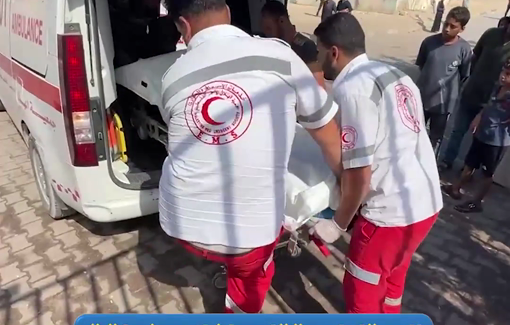
Child killed in Mawasi Rafah
Gaza, Rafah, Al-Mawasi
21 September, 2026
At least 1 martyred
Around 10 am, Israeli forces shot and killed a child while he was fishing in Mawasi Rafah.
**Name of the martyr:**
1. Ismail Khalil Al-Bardawil
Attack on the olive harvest (2026)
West Bank
20 September, 2026
At least 2 martyred
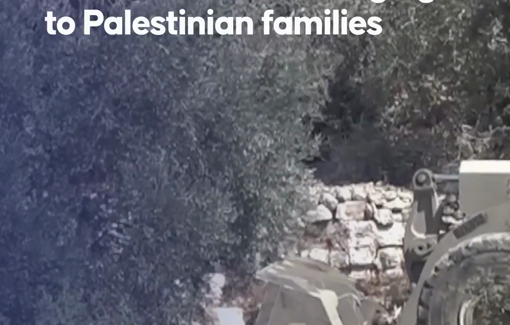
For 2026, the olive harvest in the occupied West Bank is taking place in a particularly restrictive and violent context. Even if the harvest has not yet fully begun as of 30 September 2026, some incidents and obsruction from the settlers and/or the soldiers were already reported. The Palestinian Ministry of Agriculture set 15 October as the start date for harvesting the main Nabali Baladi variety, with some other varieties beginning on 5 November. Pickling olives could be harvested from 20 September. The ministry estimates approximately 21,000 tonnes of olive oil for the 2026 season.
The 2026 season follows extensive destruction of olive trees. In September, Israeli military bulldozers uprooted large olive groves near Deir Nizam, north-west of Ramallah, shortly before the harvest. Reuters reported that approximately 9 acres of olive trees belonging to several Palestinian farmers were destroyed. The Palestinian Ministry of Agriculture documented, for example, the uprooting of around 500 olive trees over 26 dunams near Jalbun and Faqqu'a in March. Thousands of trees were uprooted or cut by settlers or soldiers during the past year.
Access to olive groves is already being restricted. On 29 September, for example, Palestinian farmers from Deir Istiya, west of Salfit, were prevented from reaching their olive groves by settlers. The report says the settlers were accompanied/protected by Israeli occupation forces.
Settler attacks are a major concern for the harvest. The Palestinian Ministry of Agriculture launched its 2026 campaign specifically around protecting farmers and their land, with particular attention to “hotspots,” areas near settlements and land behind the Separation Wall.
This is happening against a background of increasing settler attacks in 2026. A lot of incidents of settlers stealing the olive at the end of September in the Palestinian agricultural land were observed.
Access restrictions are structural: OCHA reports that Palestinian farmers whose land is near settlements or between the Barrier and the Green Line may require permits or prior coordination with the Israeli military. In April 2026, OCHA reported that 98 Palestinian communities in nine governorates were required to use prior-coordination arrangements to access farmland near settlements
On September 29, an Israeli Knesset committee, chaired by MK Tzvika Foghel, discussed security preparations for the olive harvest after MK Limor Sonn Har Melech claimed Palestinians and left-wing activists exploit the harvest to gather intelligence and attack settlers. Elisha Yered made similar allegations.
MK Gilad Kariv countered that 130 cases of harm to Palestinian farmers had been documented, including preventing access to their land, and criticized the lack of an effective real-time response to Palestinian reports of settler violence. Avi Dabush of Rabbis for Human Rights also reported violence against Palestinian farmers and volunteers.
Police, Civil Administration and military representatives said forces would be deployed at friction points, with intelligence monitoring and 24-hour coordination. Committee chair Foghel called for early preventive action and said a closed hearing with Shin Bet representatives would follow.
**Timeline of the main events:**
28 Sept — Beita, Nablus: settlers entered Palestinian land and stole an unspecified quantity of harvested olives. Similar thefts were reported in Khirbet Masoud, Sinjil, Turmus Ayya and Umm Safa. In Deir Abu Mash'al, a Palestinian vehicle was set on fire.
29 Sept — Deir Istiya, Salfit: settlers, protected by Israeli forces, prevented farmers from reaching their olive groves and harvesting.
1 Oct — Odla, Nablus: settlers attacked olive harvesters and prevented them from harvesting
On 1st October, masked settlers from nearby outposts attacked Palestinian farmers and Israeli activists supporting them during the olive harvest in Jannatah, near Bethlehem, using clubs, stones and pepper spray. Four activists were injured and three were hospitalized, including two with head injuries. IDF soldiers arrived after the attack.
On October 1, in Yasuf, Salfit, settlers attacked Palestinian homes and opened fire. Mashhour Shaher Yassin, 51, was killed; two others were injured by live ammunition. Several people were detained.
On October 1, in al-Mughayyir, settlers were filmed vandalizing olive trees and stealing olives, while soldiers were present.
On 2 October, Baha al-Natshah, 19, from Kafr Aqab, was shot dead near Kobar, west of Ramallah, during clashes involving settlers and Israeli forces. Reports differ on whether the fatal shot was fired by settlers or the IDF; his body was reportedly taken by the Israeli army.
On October 2, settlers, protected by Israeli occupation forces, attacked residents and farmers in the Jabal Qamas area of Beita. The settlers attacked farmers and activists in Jabal al-Arma, east of Beita, during which live ammunition was fired and residents were prevented from reaching their lands or picking their olive. Soldiers arriving to support the settlers, and fired tera gas and stun grenades on the residents, the activists and the journalists on the scene. At least one Palestinian was injured.
On October 2, in the Nablus governorate: attacks on harvesters were reported in Urif, Jamma'in, Awarta, Asira al-Qibliya, Beit Furik and Deir Sharaf. Three Palestinians were injured; in Deir Sharaf, a farmer and his wife were beaten and wounded. Israeli forces also used stun grenades and tear gas.
On October 2, in Az-Zawiya, Salfit, a Palestinian olive picker was pepper-sprayed in the face and injured.
On October 3, settlers, protected by Israeli occupation forces, attacked residents and farmers again, in the Jabal Qamas area of Beita, south of Nablus, while they were harvesting olives, for the second day in the row. Local sources reported that the settlers attacked the olive pickers, while the dsoldiers intervened and detained a number of young men and solidarity activists who had come to the area to support the farmers. The Israeli forces also detained and assaulted several journalists while they were covering the events in the area, while military reinforcements were deployed to the town of Beita.
On October 3, in Osarin, Nablus: a 50-year-old farmer was beaten and hospitalized. Settlers also stoned homes and vehicles, causing property damage. In Jaba, Jenin and in Abud Dis Jerusalem, settlers set olive trees on fire.
On October 3, in Burin, Nablus: settlers attacked olive harvesters, stole agricultural equipment and harvested olives; three Palestinians suffered tear-gas inhalation during the army's intervention.
**Names of the martyrs:**
1 Oct — Yasuf: Mashhour Yassin, 51, injured during a settler attack, died later in the hospiTal.
2 Oct — Kobar: Baha al-Natshah, 19, shot dead; responsibility for the shooting (settlers or soldiers) is disputed between reports.
Israeli military operation in Biddu
West Bank, East Jerusalem/Al-Quds, Biddu
20 Sep, 2026 - 21 Sep, 2026
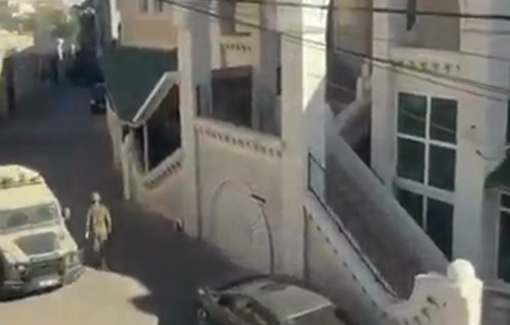
On September 20, Israeli forces raided Biddu, northwest of Jerusalem. Israeli forces arrested at least 53 Palestinians, following the arrest of a Palestinian man suspected of killing an Israeli settler near Halamish. Troops have raided homes, turned several into detention centres, and conducted field interrogations, while schools, shops and offices remain closed. Residents reported assaults and a climate of fear.
At 15:30, on September 20, the Israeli forces stormed the town of Biddu, and raided and searched the house of the citizen Qadri Muhammad Samara (suspected of shooting a settler near the "Halmish" colony).They also occupied a house and turned it into a military point, and surrounded the worshipers in the Abdullah bin Jaber Mosque while they were performing the afternoon prayer.They raided and searched a number of homes, detained 53 citizens, 53 young men in an interrogation centre the forces established inside one of the houses seized during their raid on the town, and later released them after conducting a field investigation with them.
According to the Biddu Mayor Nazmi Mansour, “The occupation forces have abused and assaulted a number of citizens during the ongoing raids and searches. Residents are staying in their homes, and a state of fear and anticipation prevails in the town,”.(...)"to remind people that if anyone is considering an attack against Israelis, then the whole town, the whole vicinity, the whole area will be paying the price for it,”.

Father charred to death in airstrike on his car
Gaza, Gaza City, Sheikh Radwan
19 September, 2026
At least 1 martyred
Around pm, an Israeli airstrike targeted a car on the crowded main market streets in the Sheikh Radwan neighborhood. At least three people were killed including a father whose body was largely charred in the murderous assault.
**Name of the martyr (identified):**
1. Yahya Hamdouna "Abu Abdullah"
Summary execution of Ziad Muhammad Jaber, 54, in Umm Al-Sharayet
West Bank, Al-Bireh
15 September, 2026
At least 1 martyred
On September 16, 2026, the Israeli army executed a Palestinian by shooting him inside his home in the Umm al-Sharayat neighborhood in the city of Al-Bireh in the central occupied West Bank.
Citizen Ziad Muhammad Jaber was executed as a result of being shot by the Israeli forces. They fired live bullets during the storming, and Jaber, 54, was seriously injured before his death was later announced by the Palestinian Ministry of Health said in a statement.
According to Ramadan Jaber (Ziad's brother), the Israeli army stormed the family home at around 4:00 am, broke down the door and asked him about his brother Ziad, before storming the latter's home and hearing the sound of gunfire. The soldiers tied him and his daughter up in one of the rooms, then stormed another room, beat his son Omar and arrested him, while his brother Ziad remained injured inside the house for about an hour and a half, before the ambulance crews arrived. The soldiers closed the door of the room on him and his daughter and prevented them from going out or seeing his injured brother. They also confiscated their IDs and phones, and searched the house's closets and contents before withdrawing.
He described what happened to his brother as a "cold-blooded execution," stressing that he was a "very simple person," working as a laborer and not interfering in the affairs of others, and that the family members and residents of the neighborhood were surprised by what happened.
The Red Crescent crews arrived after the army withdrew. The Palestinian Red Crescent Society reported that its crews had dealt with a live bullet wound in the abdomen and thigh, and described the victim's condition at the time as "very serious." The crews performed heart and lung resuscitation on him before transferring him to the hospital where he later died.
The IDF states that Ziad Jaber has tried to grab the weapon of a soldier, But family disputes the Israeli army’s account of the shooting and says he was unarmed and not politically active.
Kahanist attempt to establish an outpost in Madj al-Krum,48Palestine
48 Palestine, Galilee, Israel, Majd al-Krum
10 September, 2026
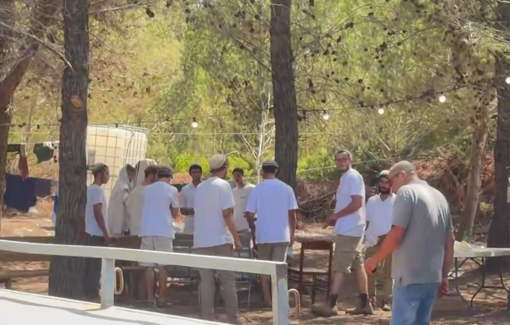
10–16 September 2026 — Al-Rus, Majd al-Krum, in Galilee, in 1948 Palestinian Territories, a group of young Jewish settlers, reportedly including settlers from Tekoa in the West Bank, established a large encampment on land within Majd al-Krum's municipal jurisdiction, ostensibly for livestock grazing.
They erected tents and other structures and installed water/electricity infrastructure, although no livestock was initially present. Part of the site extended onto privately owned land belonging to Majd al-Krum residents. Local residents protested while police/Border Police heavily secured the site and restricted access.
Following sustained protests and an emergency KKL meeting, the encampment was dismantled on September 15–16. KKL nevertheless maintained that grazing would continue and considered establishing a smaller camp elsewhere.
**Geolocation:**
Location: al-Rus (א־רוס), within the municipal jurisdiction of Majd al-Krum, western Galilee, northern Israel. The site is between Majd al-Krum and Gilon. The relevant plot is approximately 8.7 dunams, in Block 19035, parcel 89. According to land-registry information cited by Adalah, approximately 50% is privately owned by residents of Majd al-Krum, while the remainder is held by the Development Authority. Most of the encampment was on land managed by the Jewish National Fund (KKL/JNF), which had leased the land for livestock grazing. Crucially, KKL itself subsequently acknowledged that the implementation had gone beyond the authorization: too many tents had been erected, some structures were outside KKL land, and the encampment had been established before livestock arrived.
## **Timeline of the events**
**10 September 2026**
Residents discovered a group of young Jewish settlers establishing an encampment on the land. They put up a large tent, livestock pen and toilet structure, installed an electric pump on an old well, and connected the site to water and electricity. The group said it was there for grazing, but no sheep or goats were present. Residents told Arab48 that some of the young people said they came from West Bank settlements, and reports subsequently identified people from Tekoa.
**11–13 September**
The local council and residents publicly denounced the establishment of what they described as a new settler outpost. On 13 September, footage showed the large tents, electricity cables, furniture, water infrastructure and Israeli flag. Police/Border Police deployed heavily around the site and prevented local residents and activists from approaching the encampment.
On September 12, 2026, Israeli settlers set up large tents on lands in Majd al-Krum, in Galilee, in 1948 Palestinian Territories under heavy Israeli forces protection, while Israeli-Palestinian residents are barred from entering and protesting.
The police presence was substantial. As hundreds of Majd al-Krum residents came to protest, police and Border Police forces formed a buffer between residents and the settlers. On September 15, several protesters were detained, including activist Alon-Lee Green. N12 reported that around 500 Majd al-Krum residents participated in the protest.
**15–16 September: dismantling**
On 15 September, KKL held an emergency meeting and ordered the temporary structures dismantled. N12 reported that the decision was to remove the structures immediately.
By the evening of September 16, the encampment had been dismantled. +972 reported that the settlers and equipment were gradually removed after several days of protests, while police continued restricting access to the area. Arab48 likewise dates the evacuation to September 16.
Adalah subsequently documented the case and described the site as an illegal settler outpost established partly on privately owned Palestinian land.
**Aftermath:**
KKL chairman Eyal Ostrinsky said that the dismantling was temporary and that grazing would continue. The plan was to establish a smaller camp, farther from Majd al-Krum, on KKL-managed land, provided that an actual herd was brought to the site.
On 23 September, Arab48 reported that a new plan was being developed to re-establish the grazing site several hundred metres farther from the town, with fewer tents and local guards rather than settlers from the West Bank.
## **The Stake:**
*"The council argued that the provocative conduct of the outpost’s founders leaves no room for doubt regarding their intention to settle the area unlawfully; they even went so far as to declare that the land is “theirs, forever.” Public statements by Members of Knesset and government ministers further indicate that the outpost is part of a settlement initiative aimed at seizing land and altering the demographic balance in the Galilee through the establishment of communities and farms. The council stated that the volatile situation created by the outpost’s founders gives rise to a genuine concern regarding threats to public safety and security. The situation is reminiscent of settlers taking over land and establishing outposts in the West Bank under false pretenses."*
In a letter, 260 local leaders and Jewish and Arab social activists appealed to the chairman of the JNF demanding immediate action to prevent escalation and maintain the fabric of shared life in the Galilee. The signatories warned: *"When a group arrives in the area, establishes a compound there, and seeks, through a physical presence, to promote a nationalist agenda and determine facts on the ground, there is a real danger that what begins with a number of tents will, in the absence of a clear response, become a permanent presence and a dangerous precedent in other places in the Galilee."*
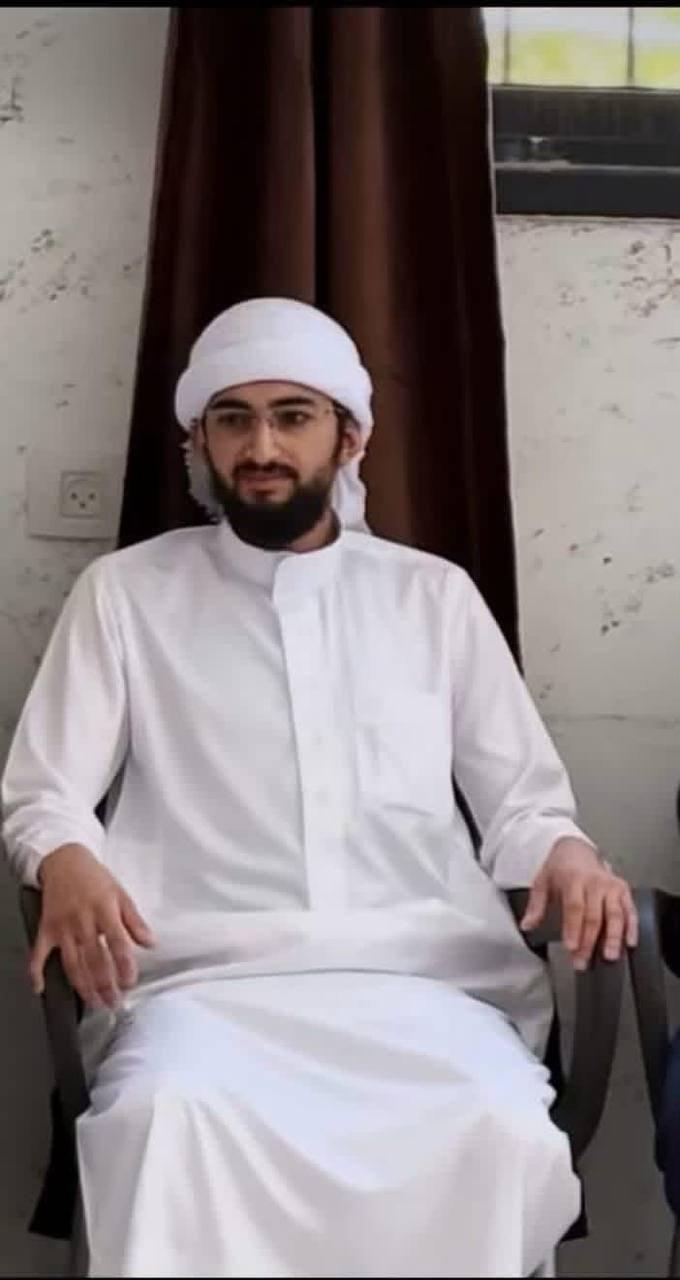
Summary execution of Abdul Karim Muhammad Khader Suleiman, 28
West Bank, Nablus, Aqraba
09 September, 2026
At least 1 martyred
On August 8, 2026, Israeli forces killed Abdul Karim Muhammad Khader Suleiman, 28, in the town of Aqraba, south of Nablus, during a military operation targeting his home in the Ad-Deeriya area, in the western part of the town.
At approximately 03:05, Israeli forces stormed Aqraba. They woke up the nephew of Abdul Karim Suleiman to use him as a human shield in order to force the family of his uncle to leave the house and surrender. But, according to this testimony, the women accepted, but he refused. So they opened fire and fired Energa shells while besieging Khader's house. A military bulldozer was brought to the scene and demolished parts of the building while Khader was still inside and surrounded.
Three hours later, Karim Abdul Suleiman emerged from the rubble and appeared at his door. The soldiers then shot him dead "in cold blood."
According to reports, Palestinian Red Crescent medics were prevented from reaching Khader, and his body was subsequently abducted by the Israeli army following his death.
**IDF version:**
The Israeli military stated that the operation was intended to arrest Khader. According to its account, he had thrown a Molotov cocktail and an improvised explosive device at troops before they surrounded the house and intensified the assault. The military claimed that soldiers subsequently shot him after he allegedly emerged from the house carrying a knife.
During the same operation, Israeli occupation forces also conducted raids in the nearby villages of Qabalan, Awarta and Yatma. The military reported that three Palestinians were detained and approximately 60 others were questioned.
**Name of the martyr:**
Abdul Karim Muhammad Khader Suleiman, 28 years old