
Databases for Palestine logo

Massacre of 12 healthcare workers in Burj Qalaouiyah, South Labanon

Lebanon, South Lebanon, Burj Qalaouiyah 13 March, 2026
At least 12 martyred
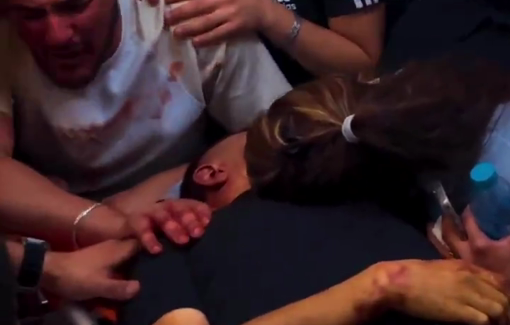
On March 13, 2026, Israeli army strikes the Health Authority clinic in Burj Qalaouiyah, southern Lebanon, causing the building of this primary healthcare center to catch fire and collapse on medical staff inside. The force of the strike in Burj Qalawiya flung two paramedics into the street, killing them instantly, according to Ali Shim, a rescue worker who was at the site within three minutes: “We found a third body at the entrance. And the rest were inside,”. The health centre in Burj Qalawiya served six villages and was one of the few operating in an area where state civil defence centres are rare. In wartime, its paramedics, many of them volunteers, rescue the injured and retrieve bodies from the rubble. Since the attack, the centre's paramedics have been sleeping in parked ambulances, he said. In a statement, the ministry said it “mourns the health care workers of Burj Qalaway killed in an Israeli airstrike that targeted the city’s primary health care center.” It added that 12 doctors, paramedics and nurses on duty at the facility were killed and another health worker was wounded, while rescue operations were still underway. Names of the martyrs: **Broader context:** The World Health Organization said the deaths marked a serious escalation in the regional crisis. Human rights organizations noted that attacks on medical personnel can constitute war crimes under international law, regardless of political affiliation. Lebanese authorities said Israel had carried out at least 37 attacks on healthcare workers and facilities in Lebanon since the conflict began on March 2, after Hezbollah rocket attacks triggered an Israeli military campaign and subsequent escalation. By then, more than 800 people had reportedly been killed in Lebanon and around one million displaced. Israel claimed Hezbollah was using ambulances and medical facilities for military purposes but did not provide public evidence. Lebanese officials rejected the accusation, calling it a justification for attacks on healthcare infrastructure. Humanitarian groups warned that such claims could be used to legitimize further strikes on protected medical facilities.

Pogrom, detention and torture in Humsa Al-Fawqa, North Jordan Valley

West Bank, Jordan Valley, Humsa Al-Fawqa 13 March, 2026
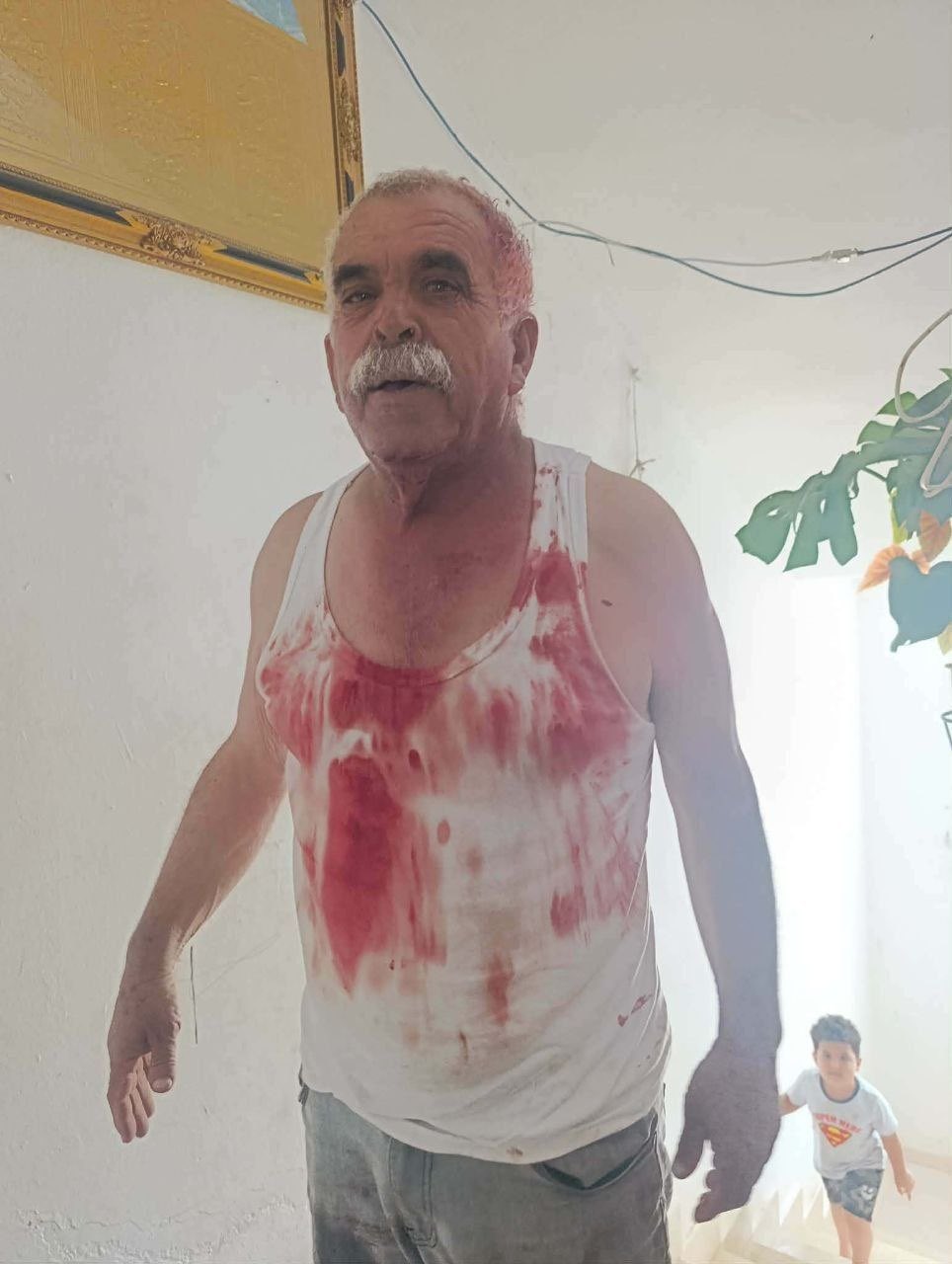
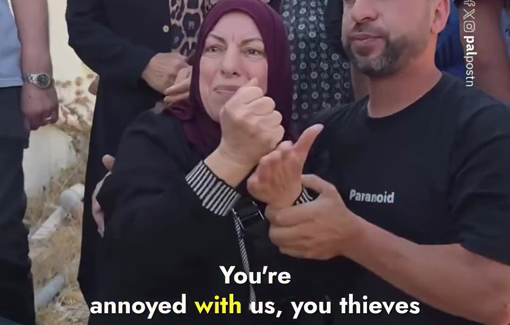
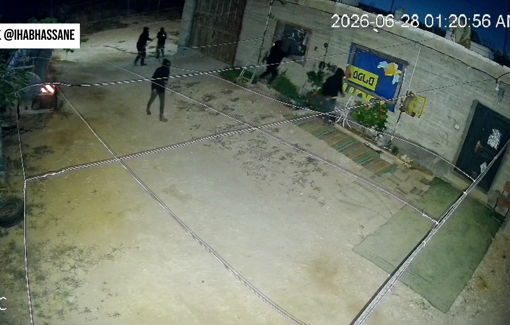
On the night of March 13, 2026, around 01:00, a group of 20–30 masked settlers invaded the Palestinian community of Khirbat Humsa al-Fawqa in the northern Jordan Valley. They attacked residents and human rights activists, stole hundreds of sheep and goats using vehicles and carts, and vandalized or removed security cameras. According to witnesses, the invasion lasted approximately one hour. Six people were reported lightly wounded in the attack, including four Palestinian residents and two activists from the United States and Portugal. Activists were dragged from their tents, beaten, handcuffed, and blindfolded. Witnesses also reported that all men in the community were handcuffed, while women and children were gathered in a separate tent. One activist claimed to have witnessed the sexual abuse of a Palestinian man during the assault. Later reports detail that settlers attacked men, women, and children, using clubs, knives, and other weapons. Girls were beaten in front of their handcuffed parents. Residents and activists were handcuffed, blindfolded, and thrown on the ground. Sexual abuse of a Palestinian man occurred, witnessed by family members and at least one foreign activist. Children were threatened to be killed. 300 heads of livestock (sheep and goats) were stolen, owned by the citizen Abdul Aziz Abu Al-Kabash. The looting included jewelry, mobile phones, and other valuables. Residents claim the military delayed their attempts to pursue the settlers with the stolen livestock. **Night of March 13, 2026 (around 1:00 a.m.)** More than 20 masked settlers entered the community. They split into groups and simultaneously raided tents and structures. Residents, including men, women, children, and activists, were beaten, dragged, handcuffed, and blindfolded. Children were slapped or kicked, and women were assaulted and dragged by the hair. The settlers poured water and dirt on them and threatened to rape the women, to kill the children and to displace all of them. A Palestinian man, Suhaib Abualkebash (29), was stripped (his pants were cut with a knife), beaten, and sexually assaulted : the settlers zip-tied his genitals and paraded him through his community while beating him under the eyes of his family and the foreign activists. Security cameras are destroyed early in the attack. During the attack (approx. 1 hour), victims are gathered into a tent, many bound and lying on the ground. Looting occurs: about 400 sheep, as well as jewelry, phones of residents and activists, cash, and documents like passeports are taken. Some settlers reportedly mock and humiliate victims. Violence includes beatings of men and girls, including the children. **After the attackers leave (early morning, March 13)** Victims remain bound after the settlers depart. The Israeli military (IDF) arrived roughly one hour after the attack, and the police arrived about two and a half hours later, providing limited initial medical care. Ambulances and Red Crescent teams evacuated six lightly wounded (All the residents and activists were injured. Four Adult men and two foreign activists later report hospitalization for some injuries). An Arabic-speaking officer briefly collected testimonies from the residents, while the wounded were evacuated. Evidence at the scene, including footprints, vehicle tracks, a flashlight, and broken security cameras, was documented by activists and an Israeli officer. **March 14–18, 2026 (aftermath and investigation)** Victims and witnesses file complaints with Israeli police. Police open an investigation including sexual assault and racially motivated violence. Shin Bet involvement is reported. Evidence documented on site includes zip ties, broken cameras, and vehicle tracks. Reports indicate limited accountability for settler violence in similar past cases. Human rights groups criticized the delay and the handling of the incident, arguing that the army and civil administration provide support or cover for settler violence. The Israeli authorities stated that investigations were ongoing and condemned the acts of violence, emphasizing their commitment to maintaining security and order in the area. **National and international media reports:** This case, its brutality, and the evidence of sexual assault shocked even the Israeli police, who are generally slow to defend Palestinian residents of local communities against their attackers. Two articles in U.S. media outlets, CNN and The New York Times, were published, featuring interviews with Bedouin victims conducted by their reporters. In the Knesset, this case, along with the recent killing of seven Palestinians in several villages by settlers, led to speeches denouncing “Jewish terrorism” or calling Israeli citizen for carrying a greater “protective presence.” **Casulaties** Victims included four men from the community and two human rights activists from the United States and Portugal, were all evacuated for medical treatment. One elderly resident (74) received multiple blows to the head, hands, and stomach, and handcuff marks and bruises were documented on several victims. 4 citizens sustaining bruises: Ali Issa Abu Kabash, Suhaib Ibrahim Abu Kabash, Muhammad Ibrahim Abu Kabash, and Ibrahim Issa. **Previous events:** Late February – Early March 2026 in Khirbet Humsa, a settler brings cattle close to Palestinian tents, perceived by residents as intimidation. A drone is later seen flying over the community shortly before the attack. **Perpetrators:** The attackers are described as approaching from the direction of Beka’ot settlement.

Summary execution of 2 men at the Za'atara Junction

West Bank, Nablus, Za'tara Junction 12 March, 2026
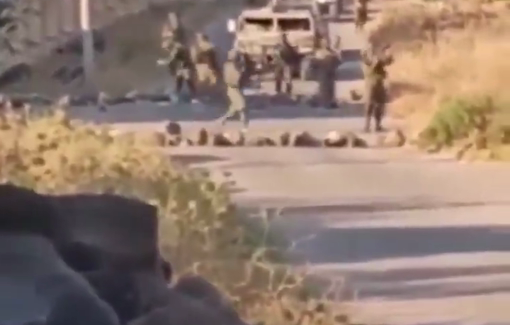
On March 12, 2026, at 16:35, the Israeli forces present near the Za'atara Junction, south of Nablus, opened fire on a vehicle in which two citizens were traveling, leading to their death. The Israeli forces opened fire on the stopped vehicle in which the two young men were traveling while they were passing near the Zaatara Junction. Israeli forces detained then their bodies. Israeli authorities claimed the men attempted a car-ramming and shooting attack, a claim repeated in Israeli military statements. However, the footage shows two soldiers firing at point-blank range through the driver’s window of a stationary vehicle, isolated from any other cars, which factually contradicts the claim that the shooting was an act of self-defense against an attack. Israeli forces closed a number of military checkpoints and gates surrounding the city of Nablus, including Awarta, Al-Murabba'a, Deir Sharaf, and the Huwwara gates, and tightened their procedures on others, causing stifling traffic crises and preventing thousands of citizens from reaching their cities, villages, and places of residence. **Names of the martyrs:** 1) Mamoun Badawi Idris Rashdan, 25 2) Muhammad Ali Bassam Youssef Badawi Rashdan, 24

2 Tent massacres in Gaza City and Nuseirat (Day 880)

Gaza, Gaza City, Nuseirat, Central Gaza 12 March, 2026
In a very short time, Israeli airstriked two places in the central Gaza- West of Gaza City, on March 11 in the evening. Both are places settled by tents and fragile shelters where displaced and homeless families lives. Both are in the so-called "safe zone". **1) Strike on Displacement Tents – Sawarha Area (Central Gaza), west of Nuseirat Refugee Camp, central Gaza Strip** The strike hit makeshift shelters where civilians had taken refuge after earlier bombardments. Victims were transported to Al‑Awda Hospital by medical teams. Families held a brief farewell before burial for one of the victims. **Casualties reported:** 2 women killed, 7 people injured, including 3 children **Identified martyr:** Salsabil Anwar Farraj, 12 years old. **2) Airstrike on Building Near Displacement Tents – Area west of Gaza City** Israeli warplanes carried out an airstrike on a building west of Gaza City during the evening. The strike caused major structural destruction to the targeted building. Fires spread to nearby displacement tents, where civilians were staying. Families who had already fled earlier attacks panicked and evacuated again. No immediate casualties are confirmed. **Overall context for March 11, 2026:** Hospitals in Gaza reported at least one additional fatality and two wounded people in the previous 24 hours from other incidents across the enclave.

Targeted assassination of Father Pierre Al-Rai in Qalaya (Lebanon)

Lebanon, South Lebanon, Qlayaa 09 March, 2026
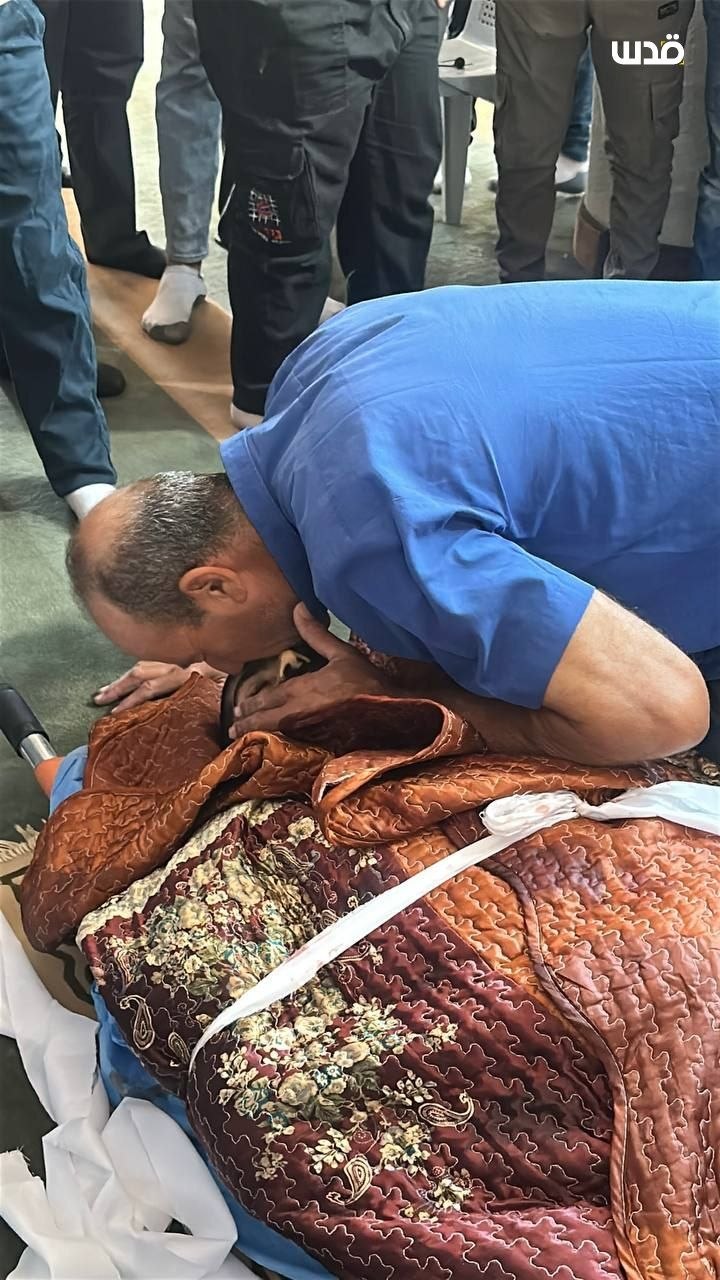
On March 9, 2026, Israeli forces shelled the village of Qalaya in the Marjayoun district, killing the priest of the Christian parish, Father Pierre Al-Rai and injuring at least 4 of residents. The shelling hit a house located in the eastern part of the village, a Christian location considered relatively safe until now. The mayor of Qlayaa, Hanna Daher, stated that the inhabitants could not explain the reasons for the attack. “We don't know why our village was bombed. The target is unclear. Qlayaa is a safe locality”, the mayor said. “The affected house is located at the east end of the village. We first heard an explosion and then the inhabitants saw smoke rising from a house to the east. Everyone rushed to the place”. The mayor said rescuers found several injured people inside the building. “When we arrived we found that the house had been hit by an artillery shell and that there were injuries inside”, he explained. “While we were trying to evacuate people, a second bullet exploded in the house. We narrowly avoided a massacre, because there were many of us on site”. **Double Tap:** Lebanese news reports stated that an Israeli Merkava tank hit a house in Qlayaa twice. The first strike wounded the owner and his wife. Father al-Rahi and other neighbors rushed to the scene to help when the tank fired a second time. Father al-Rahi was wounded from the strike and later died from his injuries. 4 other Lebanese civilians were also injured in the attack. **A terror attack in respons of the earlier public statement of the priest:** Father Pierre al-Rahi, also known by his French name Pierre el-Raï, had earlier refused, along with other priests, to obey an order by the Israeli military to evacuate the Christian village of Qlayaa, a Maronite village of some 8,000 inhabitants in the Marjayoun district, a few miles from the Israeli border. “We are forced to stay despite the danger, when we defend our land, and we do so peacefully. None of us carries weapons. All of us carry peace and goodness and love,” Father al-Rahi told the France24 television channel on the steps of his church in Qlayaa March 8, a day before his death, while tens of thousands of Lebanese civilians have already fled their homes fearing further violence in the Marjayoun district. **Israeli Army spin:** On Tuesday, the IDF confirmed that tanks fired at suspected terrorists attempting to enter a house near where IDF soldiers were operating in southern Lebanon, but the military's statement did not directly link the incident with the shell fire that caused Raei's fatal injuries. **Qlayaa’s Mayor Hanna Daher statement to AsiaNews:** “They say there were fighters in the house, but that’s not true. These are lies, inside, there were only the residents of the house and people from the village who came to help the wounded.” **Pope Leo XIV statement:** Pope Leo XIV expressed “profound sorrow for all the victims of the bombings in the Middle East over the last few days — for the many innocent people, including many children, and for those who were providing them with aid, such as Father Pierre El-Rahi, a Maronite priest killed this afternoon in Qlayaa,” the Vatican’s Telegram channel said. The message posted by Holy See Press on Telegram said Pope Leo “is following the situation with concern and prays that all hostilities will cease as soon as possible.” **The French charity L’Oeuvre d’Orient statement:** “L’Oeuvre d’Orient condemns in the strongest possible terms these acts of war, which aim to destabilize all of Lebanon and kill innocent civilians. The death of a priest who refused to leave his parish is yet another escalation of senseless violence. L’Oeuvre d’Orient also denounces the risk of annexation and the disappearance of villages south of the Litani River, particularly historic Christian villages,” **David Azulay head of Metula settlement** Israeli Activist B.M. reports: *"The audacity: Four days after talking on Israeli radio about the need to "destroy and wipe out" South Lebanon, the head of Metula settlement, David Azulay, issues a statement of condolences, in Hebrew and Arabic, for Pierre al-Rahi, the Lebanese priest who was murdered by Israel on Monday. The village of Al-Qlayaa, where al-Rahi was murdered, is located 5 kilometers from Metula. Some Lebanese Christians originally from Al-Qlayaa, who used to be part of Israel's pre-2000 collaborator militia, the South Lebanon Army, now reside in Metula."* **Statement of Fr. Toufic Bou Merhi, Latin-rite parish priest in Tyre and Deirmimas:** Speaking to Vatican News, he said the 50-year-old Fr. El-Rahi was a true pastor for the Christians of his parish. Despite many Israeli evacuation orders for the area, Fr. El-Rahi remained to serve his parishioners. While the parish is mourning the death of Fr. El-Rahi and are now very afraid, even as the house of another priest was directly attacked: *“Up to now, people haven't wanted to leave their homes in Christian villages, but in this situation, everything has changed. Leaving home means living on the streets or trying to rent another place, but people can't afford it, especially given the country's already dire economic situation."* Other [source](https://www.lebanondebate.com/article/801170-القليعة-تنزف-استشهاد-كاهن-البلدة-بالقصف-الإسرائيلي)

Israeli artillery shelling on displacement tents in Al Nuseirat R.C.

Gaza, Nuseirat, Central Gaza 09 March, 2026
At least 3 martyred
On March 9, a few minutes after midnight, Israeli strikes hit tents sheltering displaced people in the Nuseirat refugee camp, in Al-Sawariha, central Gaza, killing three women, including a child and a journalist, and injuring more than 10 others. **Palestinian Center for Human rights investigation:** "According to information collected by PCHR’s field researchers, Israeli artillery positioned east of central Gaza Strip fired several shells between 00:00 and 00:05 on Monday, 9 March 2026. The shells landed in al-Sawahrah area, southwest of al-Nusseirat refugee camp, where the tents of displaced families are densely packed. As a result, Amal Hammad Ahmed Shamali (46), a journalist and Qatar Radio correspondent, was killed after a piece of shrapnel struck her head, causing a fatal laceration. Five other members of her family were also injured, including three in serious condition, when their tent was directly hit. This attack also resulted in the killing of Salsabeel Anwar Mahmoud Farraj (11), who was asleep in her tent when a piece of shrapnel struck her head. Two other members of her family were injured, including one who sustained serious injuries. Moreover, the attack killed Nour Saleh Mohammed al-Shalalfah (16) after she sustained a shrapnel wound to the head that caused a fatal laceration. Meanwhile, three other members of her family were injured, including two who sustained serious injuries. The shelling also injured several other people inside their tents in Abu Shammas Displacement Camp, in addition to causing severe damage to tents in the same location. Anwar Mahmoud Mohammed Farraj (36) told PCHR’s field researcher that he was sleeping with his wife and two children in their tent in Abu Shammas Displacement Camp, in the al-Sawahrah area, southwest of al-Nusseirat refugee camp, where they had been living for nearly two years. He stated that they heard two successive explosions in the area. As a result, his wife, Saloum ‘Abdel Rahman Mohammed Farraj (36), was injured by a piece of shrapnel in her hand, while their six-month-old child, Salamah, sustained a shrapnel wound to the head while sleeping in his mother’s arms. His 11-year-old daughter, Salsabeel, also sustained a severe laceration to the head caused by shrapnel. He added that shrapnel scattered throughout the camp and struck many tents, prompting distress calls across the area. The shelling resulted in the killing and injury of several people. He further stated that approximately an hour later, ambulances arrived at the scene, and his daughter Salsabeel was evacuated to al-‘Awda Hospital in al-Nusseirat refugee camp. Doctors there announced that she had died from her injuries, while his wife and son are still receiving treatment. Nesmah ‘Adnan Soliman Abu Shallouf (22) told PCHR’s field researcher that she heard about five successive explosions within five minutes, scattering shrapnel over the tents in the area. She added that seconds later she heard the screams of her 17-year-old brother, Mohammed, calling for help after his wife, Nour Saleh Mohammed al-Shalalfah (16), was wounded. The couple had been married for only about two months. A piece of shrapnel penetrated their tent and caused a severe laceration to her head, killing her. Moreover, the family of journalist Amal Hammad Ahmed Shamali stated that she was sleeping with her three children inside their tent when one of the shells landed near it, striking her in the head with shrapnel. The shell also injured her three children and other members of her family who were staying in nearby tents, while the tent was completely destroyed by the explosion." **Names of the martyrs:** 1) Amal Mohammed Shamali, 46, journalist 2) Nour Saleh Al-Shallafah, 30 3) Salsabeel Anwar Faraj, 12

3 death in a Pogrom in Abu Falah

West Bank, Ramallah, Khirbet Abu Falah 08 March, 2026
At least 3 martyred
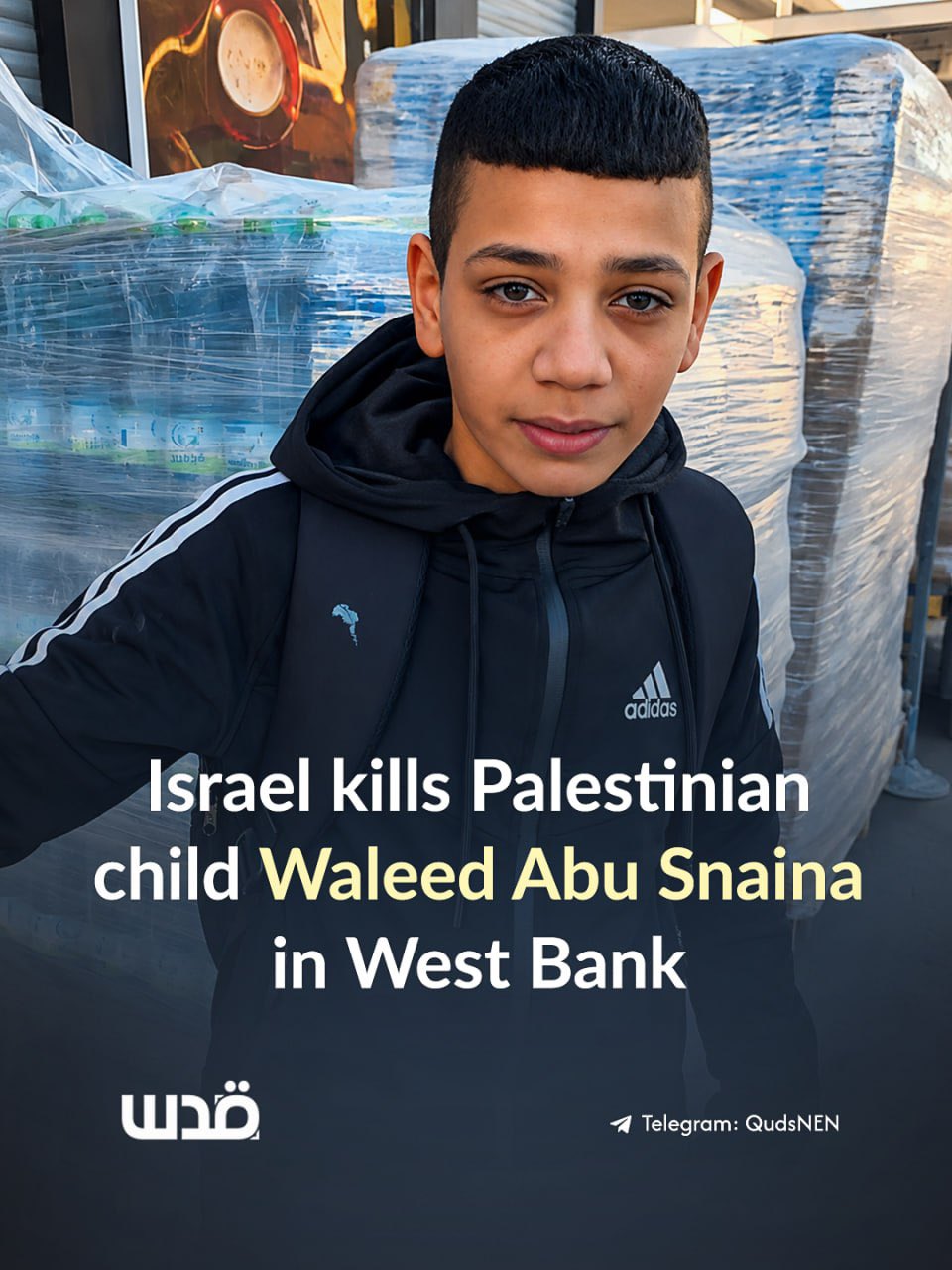
On March 8, 2026, three Palestinians were killed and five others injured early Sunday during a brutal attack by Israeli colonists on the village of Abu Falah, east of Ramallah, followed by an Israeli military raid on the village. At 02:20, a group of masked settlers, protected by the occupation forces, attacked the village of Khirbet Abu Falah, and opened fire on the citizens, and the Israeli forces also intervened and fired live and rubber-coated metal bullets, stun grenades, and tear gas towards the citizens, which led to the death of 3 citizens (one of them as a result of inhaling tear gas), 4 others were injured. The two Hamayel victims were killed while residents confronted settlers who attacked the village. Israeli forces later stormed the area and fired tear gas canisters to disperse residents responding to the attack. According to Haaretz, "the masked Israeli settlers raided the village around 2:00 A.M., some of them filmed carrying clubs. Village residents then arrived to try to drive them away. Israeli soldiers reached the scene about 40 minutes later, the reports said, and a security source said the military is investigating the incident. Footage from the village shows tear gas being fired from a military vehicle. Seven people were also evacuated from the scene with injuries, including four with gunshot wounds, according to the Health Ministry in Ramallah." **Names of the martyrs:** 1) Thaer Awad Muhammad Ibrahim Hamayel, 24, 2) Farea Jawdat Hamayel, 57, both of whom were shot in the head. 3) Mohammad Hasan Murara, 55, who died after inhaling tear gas fired by Israeli forces during the raid on the village. He reportedly arrived at the hospital in cardiac arrest. **Other casulaties:** According to medical sources, five other residents sustained live-fire injuries, including three in the head, one in the pelvis, and another in the shoulder with the bullet exiting from the neck. The 4 wounded as a result of gunfire by settlers while they were attacking the village of Khirbet Abu Falah are: Moaz Qassam Al-Khatib, Jihad Hamid Marra, Zaid Salim Turki Hamayel, and Fadi Hani Muhammad Nazzal.

Assassination of Amir Muhammad Shanaran killed by Luria Luski in Wadi al-Rakhim

West Bank, Al-Khalil/Hebron, Wadi a-Rakhim, Susiya 07 March, 2026
At least 1 martyred
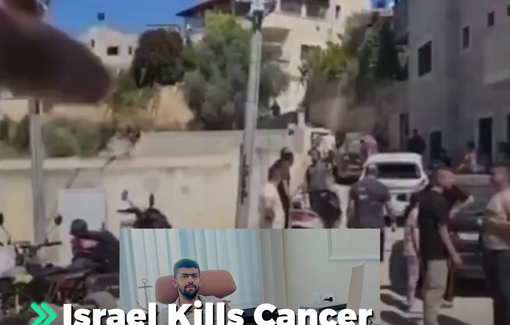
On the afternoon of March 7, an Israeli settler known to local residents opened fire on Palestinians in Khirbet Wadi al-Rakheem in Masafer Yatta, killing Amir Mohammad Shanaran and critically injuring his brother. According to medical sources and local anti-settlement activist Osama Makhamreh, Amir Mohammad Shanaran (28) was shot in the neck and killed, while his brother Khaled Mohammad Shanaran (33) was shot with live ammunition and hospitalized in critical condition. Witnesses said the brothers were near their home when armed settlers from the illegal settlement of Susya opened fire on them. ## **Casualties:** Martyr: 1) Amir Mohammad Shanaran (28) Severly injured: 2) Khaled Mohammad Shanaran (33) During the same attack, several members of the Shanaran family were injured while attempting to confront the settlers. 1) The brothers’ father was severely beaten, suffering head injuries and bruises. 2) Their aunt sustained a fractured leg. 3) Their uncle and two cousins were also beaten, leaving them with multiple bruises. In total, five family members were hospitalized after severe physical assaults during the attack. ## **Israeli Army statement:** The Israeli military said the shooter was a reservist soldier who arrived after reports of clashes between settlers and Palestinians. Israeli Military Police said a preliminary investigation had found that the shooter was a reservist soldier who arrived on the scene after being alerted to the confrontations between Palestinians and settlers. According to the IDF, troops and police officers were dispatched to a Palestinian village in the Masafer Yatta area “following a report of a violent confrontation between Israeli civilians and several Palestinians, in which several individuals were injured.” Military police opened an investigation into the incident, the findings of which will be submitted to the Military Advocate General for review, the IDF said. The Israel Police also launched an investigation and collected findings at the scene. ## **Investigation of the Naboth's Vineyard @nabothVin org:** In the Palestinian village of Susya, last Saturday (7 March 2026), tragedy struck. Amir Muhammad Shanran was shot and killed, and his brother Khaled critically wounded. What happened that day is only the latest chapter in a story that began nearly 30 years ago : the perpetrators belong to the Luski family, settlers living in an illegal outpost at the archaeological site known as Ancient Susya. The outpost was established decades ago on land expropriated by the Israeli state in 1986. Although demolition orders were issued, they were never enforced. Over the years, the family received state support—including a mortgage from the WZO Settlement Division intended for carpentry and livestock—allowing them to expand their presence. Originally sheep farmers, the Luskis eventually moved into cattle ranching, building an illegal cowshed near their home. The herd routinely trespasses onto Palestinian fields, destroying crops. On Saturday, March 7, 2026, the Luki family drove their cattle more than a kilometer into Shanran farmland, sparking a confrontation. When the Shanaran brothers tried to drive the cows away, Luria Luski, armed with a weapon supplied by the Israeli army, opened fire. The video footage shows Amir lying motionless, while the cows continued grazing calmly nearby—a stark contrast to the violence unfolding. Violence runs in the family. Luria’s father, Gadi Luski, and brother, Shem Tov Luski, have long records of attacks on Palestinians, including incidents so severe they occasionally led to prosecution. Yet accountability remains rare. This killing is not an isolated event. In the same week, four other Palestinians were shot by settlers in nearby villages. Experience shows that perpetrators rarely face consequences—even when attacks are recorded on video. The IDF’s response to the Shanran killing illustrates how normalized such violence has become. Their statement described the shooter as “an IDF reservist who arrived following a report of an assault” and noted that two Palestinians were hit, with one dying from his wounds. In the West Bank today, under a government that often turns a blind eye, any Israeli holding a weapon has, in effect, a license to kill Palestinians. And in Susya, decades of state-backed settlement expansion and unchecked settler violence have made that deadly reality painfully clear. ## **Testimonies gathered by B'tselem field investigator:** B’Tselem field researchers Manal Ja’bari and Nasser Nawaj’ah collected testimonies from several witnesses on 9 March 2026: **Muhammad Shinaran, 57, a father of 10 including Amir, related:** Members of the Shinaran family demanding a settler remove the cattle from their land at the beginning of the incident. From video footage courtesy of the family Members of the Shinaran family demanding a settler remove the cattle from their land at the beginning of the incident. From video footage courtesy of the family I live with my wife Sumayah, 57, and two of our sons, Khaldun, 24, and Hani, 22, in Khirbet Wadi a-Rakhim. Our three married sons – Amir, Khaled and Ayman – live nearby with their families. My brothers also live here with their families. I work as a farmer. I’ve been living on this land since I was born. It was passed down to us from our parents and grandparents. Over the years, we have suffered repeated attacks by settlers on our land and our families, but since the events of 7 October, their attacks have become more violent and brutal. The settlement of Susiya was established about two kilometers from our homes and land. Then, after 7 October, settlers set up several new outposts in the area, only about 400 meters from our homes. On Saturday, 7 March 2026, at around 4:00 P.M., after finishing the evening prayer, I left the mosque with my sons and brothers. On our way home, we heard my grandchildren shouting at settlers who were grazing their cows on our planted fields, about 200 meters from the house. I saw four settlers – two boys aged about 14-16, a man in his 50s, and the settler “Nahman,” who has set up outposts in the area and whom we know from previous incidents. They were grazing about 15 heads of cattle in our wheat and barley fields. The moment the settler grabbed Muhammad Shinaran’s phone to prevent the attack from being filmed. From video footage courtesy of the family The moment the settler grabbed Muhammad Shinaran’s phone to prevent the attack from being filmed. From video footage courtesy of the family I shouted at them, too, but they ignored us and refused to leave. I went towards them with my brother Hussein, 49, his son Muhammad, 24, and our nephew Hareth, 18. The settlers were holding clubs and sticks. We spoke to them calmly and asked them to stop grazing the cattle on our land. I documented what was happening on my phone, so they wouldn’t accuse us of attacking them or doing anything violent afterwards. The settler Nahman snatched the phone from me, threw it on the ground and stomped on it until it broke. They refused to leave and continued grazing the cattle on our land. I was holding an irrigation pipe, and Hussein and Hareth were holding sticks we use for herding. We tried to get the settlers and cattle to move away by ourselves, and then the settlers attacked us, swinging clubs. Nahman punched me hard with brass knuckles in my left eye. I felt sharp pain and started bleeding above my eyebrow. We decided to leave and head home. Khaled Shinaran lying wounded on the ground after being shot. From video footage courtesy of the family Khaled Shinaran lying wounded on the ground after being shot. From video footage courtesy of the family We had only taken a few steps when an ATV drove up carrying two settlers – one in a military uniform with a rifle, whom we know as Luria (Luria Luski), and the other, whom we know as Shem Tov (Shem Tov Luski), in civilian clothes. As soon as they arrived, Nahman said to them: “Kill them all.” The armed settler fired a shot in the air. At the same time, Nahman beat me with a club on my head and legs, and the others attacked my brother Hussein and Hareth. My son Amir arrived and saw Nahman beating me. Amir shouted at him, but the armed settler shot him from about five meters away, hitting him in the neck. Amir fell to the ground, bleeding heavily. My son Khaled and my daughter-in-law Hajar, Ayman’s wife, also arrived. The settler fired again and the bullet hit Khaled – it went through his right arm and lodged in his abdomen. Hajar screamed hysterically and tried to film what was happening while the armed settler stood there with his gun, showing no remorse. Amir, Khaled and I were taken in private cars to Abu al-Hasan al-Qassem Hospital. The doctors pronounced Amir dead upon arrival. Khaled was transferred to al-Ahli Hospital in Hebron, where he had surgery and is now in intensive care. I was treated and the wound above my left eyebrow was stitched. My left eye was swollen and I could barely see. I was discharged that evening and returned home, heartbroken over my son’s death. Soldiers had closed off the area and confiscated the recording device of our security cameras. Amir’s funeral was held on Sunday at the family cemetery in Yatta. **Hajar Shinaran, 35, a mother of five, recounted:** One of the settlers with the cattle on the Shinaran family’s field. From video footage courtesy of the family One of the settlers with the cattle on the Shinaran family’s field. From video footage courtesy of the family On 7 March 2026, at around 4:00 P.M., while I was preparing the iftar meal, I heard noise outside. I looked out the window and saw four settlers leading a herd of cows into our wheat and barley field and setting them to graze on our crops. My brother-in-law’s children called out to them and asked them to leave. At that moment, my father-in-law Muhammad Shinaran arrived with his brothers and relatives after finishing prayers at the mosque. He went over to the settlers with his brother Hussein and nephew Hareth. I watched from my yard as they spoke to the settlers and tried to move the cows away from the field. A settler called Nahman attacked my father-in-law, and then I saw him and Hussein leave the spot. While they were heading away, an ATV drove up with two settlers – one armed and in military uniform, and the other in civilian clothes. I took my phone, started filming, and went towards them. Amir, my husband’s brother, arrived after me. The settlers attacked Muhammad, Hussein and Hareth with clubs. I saw Nahman hitting Muhammad with a stick. When Amir stepped forward to defend his father, the armed settler fired a shot in the air and another one at Amir, from about five meters away, hitting him in the neck. Amir fell down. Meanwhile, my brother-in-law Khaled arrived. When he saw the settler shooting Amir he started shouting at him. The settler fired again and hit Khaled in the abdomen. Khaled fell, and I shouted at the settler “God will break you” and went over to Amir to check on him. He was bleeding heavily from the neck. I screamed hysterically at the settler, who stood there holding his gun apparently unconcerned after shooting two people. At the point, some young guys came and drove the wounded men in private cars to Abu al-Hasan al-Qassem Hospital in Yatta. I went home. At home were my mother Jabariyah, Amir’s wife Dalal and their two kids, 2 and 1.5 years old, Hussein’s wife Samaher, our neighbor Hanan, and several other women. At that point, an Israeli police patrol car arrived, along with many soldiers who declared the area a closed military zone. Soldiers broke into our home and confined me, the children and the other women in the kitchen, while a soldier stood at the doorway pointing his gun at us. The children were terrified of him and trembled with fear. Dalal was crying with worry over her husband Amir and hugging her children. The soldiers tried to check the security camera recorder and demanded I give them the password. I said I didn’t know it, so they called my husband from my phone and demanded it from him. I think he said he didn’t know it. Meanwhile, we learned Amir was dead started screaming and wailing. Through the kitchen window, which overlooks the field, we saw the settlers outside dancing and celebrating, and the soldiers joined in. More settlers arrived, and they were about 30 in total. While they were searching the house, soldiers found a plastic toy gun and some sticks we use to shepherd the flock. They showed us the sticks and toy gun and started shouting at us, swearing and saying we were terrorists who use the sticks to attack settlers. I told them it was just a plastic toy and the sticks are for herding. They held us in the kitchen until around 9:00 P.M., and we couldn’t prepare the iftar meal. At around 9:30 P.M., the soldiers left, taking the security camera recorder with them. My father-in-law came home later that evening from Abu al-Hasan al-Qassem Hospital, with his left eye swollen and bandaged. He was devastated by Amir’s death and cried all night. Khaled was taken to al-Ahli Hospital and is still in intensive care there. **Broader context:** According to the Wall and Settlement Resistance Commission, four Palestinians have been killed by Israeli settlers since the beginning of 2026, and 40 Palestinians have been killed by settlers since the start of the Gaza war on October 7, 2023.

Massacre of Al-Qudra family in Khan Younis

Gaza, Khan Younis, Southern Gaza 07 Mar, 2026 - 08 Mar, 2026
At least 2 martyred
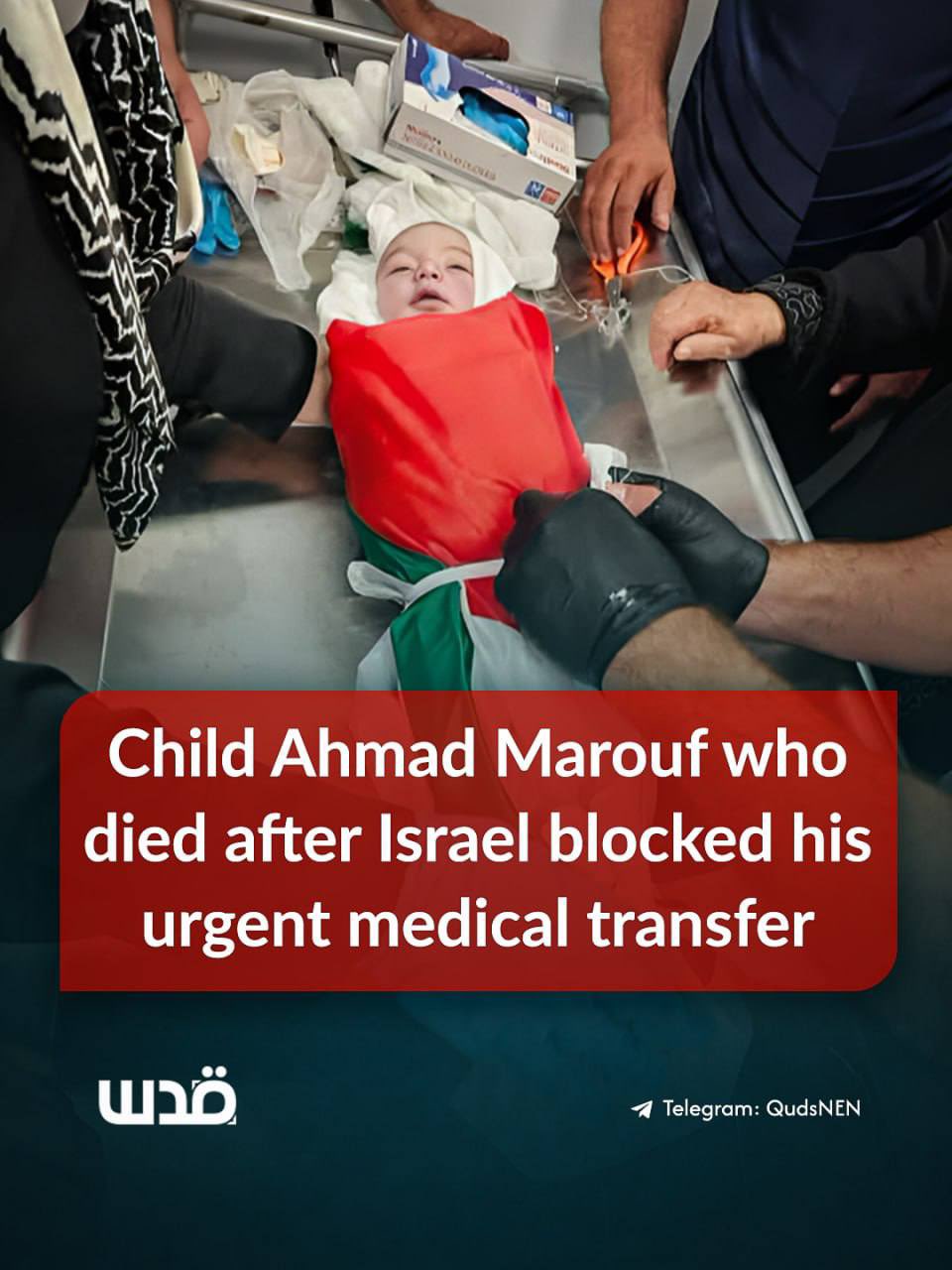
On March 7, 2026, an Israeli drone bombed a house in the center of Khan Younis, killing a man, Ahmed al-Qudra, and injuring his daughter in the center of the city of Khan Younis. She was treated in intensive care; Sources reported that the child, Julia Ahmed Muhammad Al-Qudra, was martyred a day after her father was martyred in an Israeli bombing of Khan Yunis in the southern Gaza Strip. Before that, a local source reported that Israeli artillery shelling targeted eastern Khan Younis, while occupation vehicles opened fire northeast of the Bureij refugee camp in the central Gaza Strip. **Names of the martyrs:** Ahmed Muhammad al-Qudra (34 years old) killed on March 7 Julia Ahmed Muhammad Al-Qudra, (4 years old) succumbed on March 8

Israeli special operation in Nabi Sheet killed 41 Lebaneses

Lebanon, Beeka Valley, Nabi Sheet 06 Mar, 2026 - 07 Mar, 2026
At least 44 martyred
On the night of Friday, March 6, to Saturday, March 7, 2026, Israeli troops and helicopters conducted a commando operation near Nabi Sheet, reportedly searching for remains of the missing Israeli airman Ron Arad. Clashes with local fighters were reported during the operation, which included helicopter landings and intense airstrikes before Israeli forces withdrew. Their goal was the Al-Chokr family cemetery, in the heart of the Bekaa Valley. **Background on Ron Arad:** Ron Arad, an Israeli Air Force navigator, went missing over Lebanon in 1986 after his plane was shot down. Captured by Lebanese militias, his fate remains unknown, and Israel has carried out multiple operations over the decades to locate him or recover his remains. He is officially considered Missing in Action (MIA). **Details of the Operation:** Four Israeli helicopters were spotted over Khraibeh-Baalbek at 10:50 pm, near the Syrian-Lebanese border. Two Israeli helicopters landed near Nabi Chit and Khraibeh, dropping soldiers who moved toward a cemetery in Nabi Chit to search a grave suspected of holding Arad’s remains while intense airstrikes hit nearby villages. The Israeli soldiers briefly searched a section of the Al-Chokr family cemetery before clashes broke out with local residents and Hezbollah fighters. Witnesses noted that the Israeli soldiers used vehicles resembling Lebanese army and Hezbollah vehicles and spoke Arabic with a Lebanese accent (crime of perfidy). **Impact of Airstrikes:** Hezbollah sources stated the Israeli Air Force carried out 40–50 airstrikes, including one targeting the central square of Nabi Chit to prevent reinforcements from intervening. The operation included heavy bombardment and multiple air raids, severely affecting infrastructure in Nabi Sheet The bombardment left a massive crater, gutted buildings, and damaged vehicles. Portraits of "martyrs" from the 2024 Israel-Hezbollah conflict remain on some buildings. **Casualties:** The fighting reportedly left three Lebanese soldiers and 41 residents of the Bekaa Valley dead, according to the Lebanese army and Ministry of Health. No Israeli casualties were reported.

The details for each video come from social media. None of it has been verified.