
Databases for Palestine logo

Pogrom in Susiya

West Bank, Masafer Yatta, Al-Khalil/Hebron, Susiya 24 February, 2026
On February 24, 2026, during the night, dozens of Israeli settlers entered the Palestinian hamlet of Susiya in the southern West Bank, in Masafer Yatta, South Hebron Hills carried out a pogrom. The attack happened around 8 p.m. on Tuesday, according to timestamps from two security cameras in the village of Susiya in the southern West Bank. They attacked homes and cars with stones, and set fire to three tents, a pre-fab, chicken coops and cars at several spots throughout the village. Footage showed roughly two dozen settlers dressed in black entering the hamlet. Some poured what appeared to be flammable liquid from white bottles onto a truck before setting it on fire, while others threw rocks at homes, vehicles, and cameras, smashing a windshield. Another camera angle showed settlers beating a car with clubs and one person attempting to kick in the door of a caravan. Footage also shows a group of settlers trying to damage cameras to prevent documentation of the attack. None of the assailants were detained. 4 houses and 2 vehicles were set on fire. using rocks, clubs, and flammable liquid to burn vehicles and damage property, according to security footage. Residents said about 30 settlers were involved; no arrests were immediately reported, though Israeli authorities said an investigation was opened. A resident, Fatima Al-Nawaja, said her family’s truck and a caravan were burned while they hid inside their home watching events unfold on the security feed. By morning, the truck was completely destroyed. Israeli authorities said soldiers and police were sent after reports of fire and that an investigation was opened, but they did not confirm arrests. Palestinian residents said they believe the attacks are meant to pressure them to leave the area, though they insist they will rebuild and stay despite fear among children and families. The area has a history of settler violence and was featured in the Oscar-winning documentary No Other Land; a previous attack there injured one of the film’s directors, Hamdan Ballal. About 300 people live in the village, half of them minors. They are subjected to daily violence by settlers and the military, with the backing of all Israeli state authorities. A delegation of European diplomats visited the village the next day. **Statement of he European Union Delegation to the Palestinians: ** *"We are appalled by the violent settler attack last night on the village of Susya, Masafer Yatta. The attack is one too many in a long series of attacks over the past year, including a recent raid on the Oscar-winning director Hamdan Ballal’s home and family. This highlights the alarming pressure on Palestinian communities and human rights defenders. It also exemplifies the expanding problem of settler violence across the West Bank, where Palestinians are forced to leave their homes and perpetrators are not held accountable. It is high time for justice and we call on Israeli authorities to act in accordance with their responsibilities as the occupying power."* EU diplomat Alexander Stutzman condemned the incident after visiting the site, while Israeli Prime Minister Benjamin Netanyahu has characterized settler violence as the work of a small extremist minority even as his government expands settlements.

Summary execution of Muhammad Wahbi Hanani in Beit Furik

West Bank, Nablus, Beit Furik 21 February, 2026
At least 1 martyred
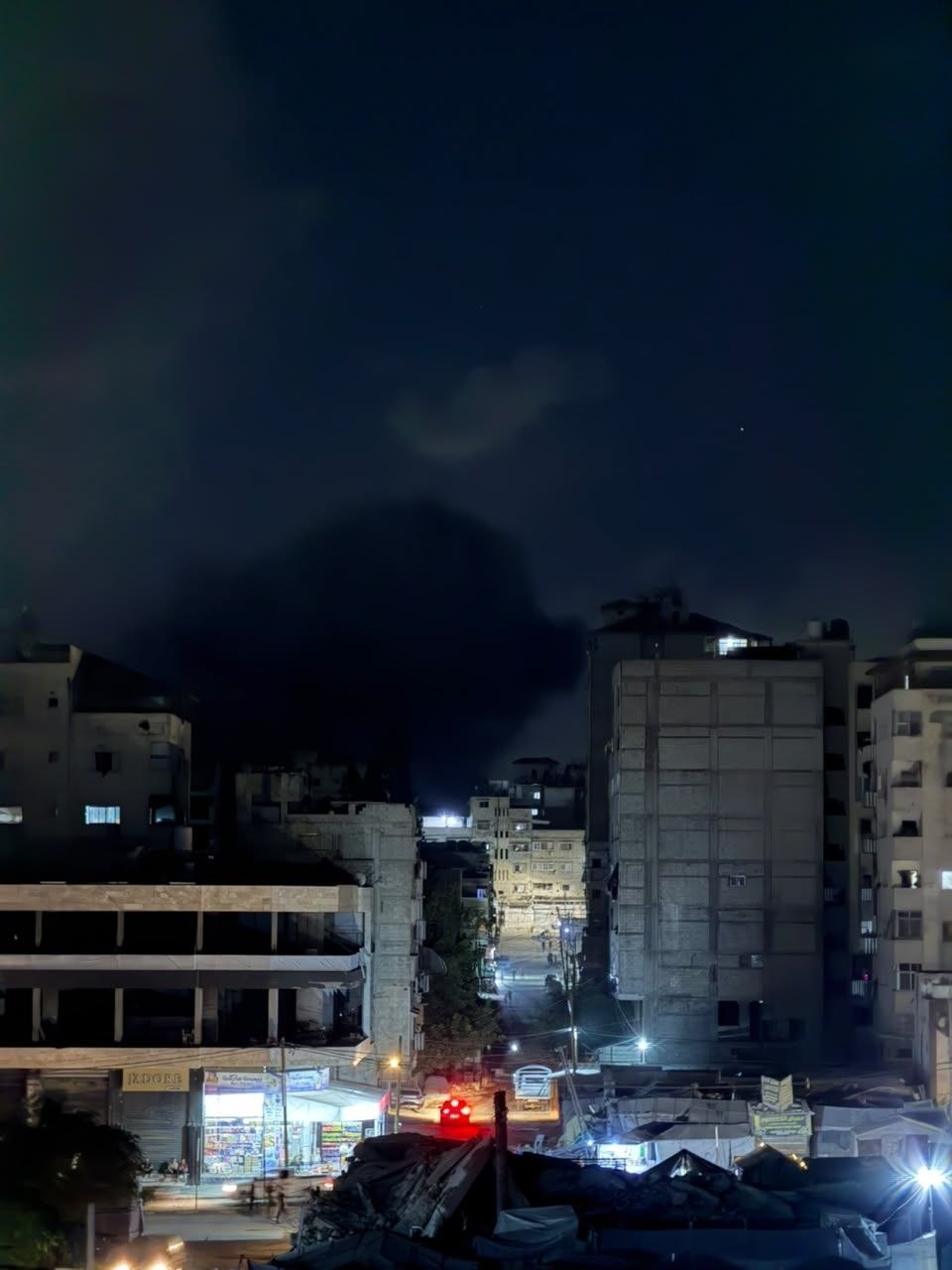
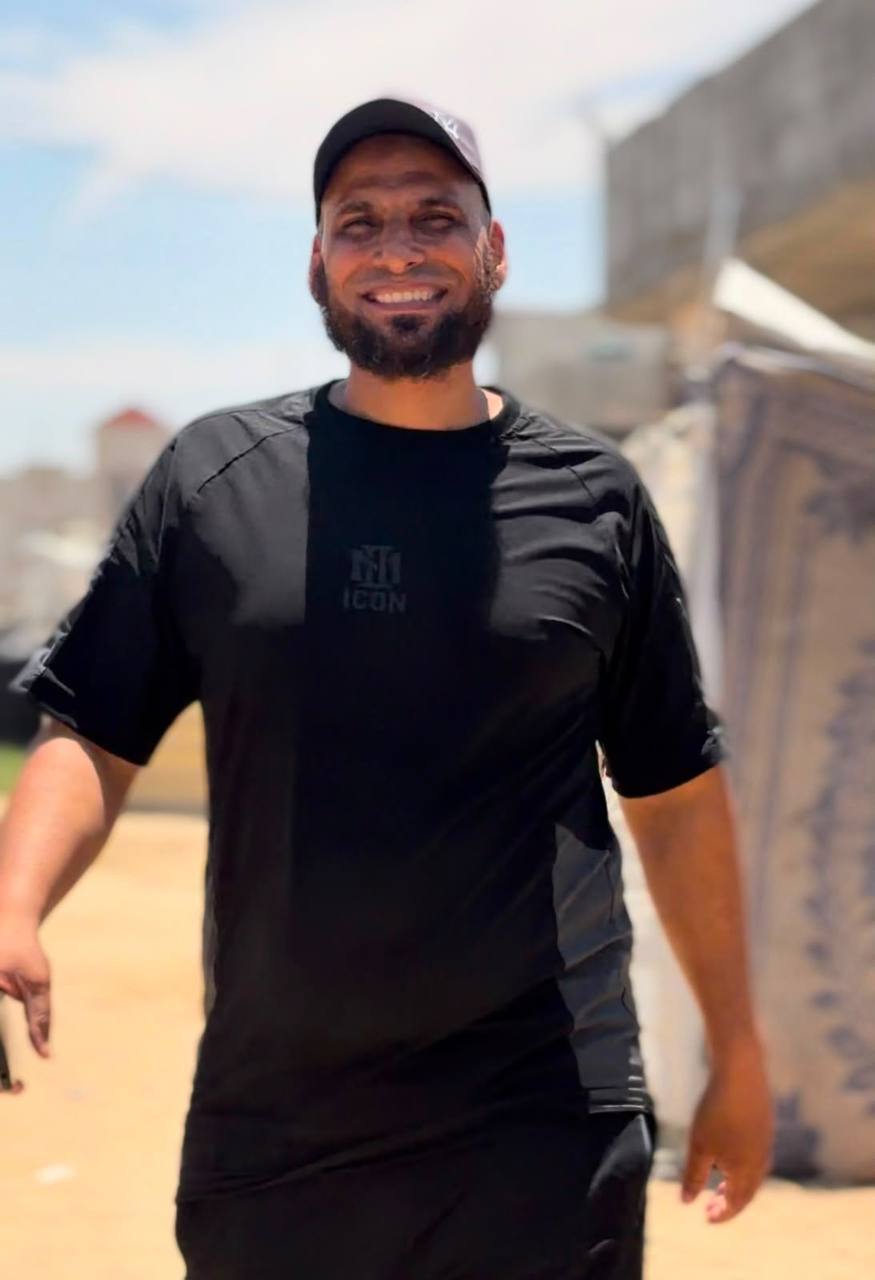
On Saturday, February 21, Israeli forces carried out multiple attacks on the town of Beit Furik, east of Nablus in the occupied West Bank. In the afternoon, following an assault by settlers on the neighborhood, soldiers fired at a vehicle, breaking its windows, and injured a 14-year-old boy with live ammunition while he tried to confront the attackers. Later that evening, during a military incursion into Beit Furik, 17-year-old Mohamad Wahbi Abdul Aziz Hanani was critically injured after being shot in the head and later died. Another boy, 16 years old, was shot in the foot. According to Amjad Ahmad, director of the Palestinian Red Crescent Society’s ambulance and emergency center in Nablus, both victims were transported to Rafidia Governmental Hospital. Reports indicate that Israeli forces reinvaded Beit Furik after midnight with multiple military vehicles, firing tear gas, concussion grenades, and flares, while earlier in the day soldiers had opened fire on a citizen’s vehicle and assaulted its driver. **Statement of Directorate of Education in Nablus:** We mourn the student martyr Muhammad Wahbi Abdul Aziz Hanani, a twelfth-grade student at the boys’ secondary school in Beit Furik, who fell today.

Three Palestinians shot by Israeli forces’ gunfire in Arraba

West Bank, Jenin, Arraba 19 February, 2026
On February 19, 2026, three Palestinians were shot by Israeli forces on Wednesday night in the town of Arraba, south of Jenin, when Israeli troops raided the town, amid the firing of live ammunition, shooting and injuring three people, including one critically. Several youths were also detained in the town square. The Palestine Red Crescent Society (PRCS) said its teams provided first aid to the three gunshot victims and transported them to a hospital. Meanwhile, Israeli forces conducted a foot patrol at the Cinema Roundabout in Jenin city, with no reported detentions, and also raided a house in the town of Qabatiya.

Raid and campaign of arrest on Qalandiya

West Bank, East Jerusalem/Al-Quds, Qalandia RC 19 February, 2026
On February 18, Israeli forces raid Qalandiya refugee camp. They stormed the entrance of Qalandiya refugee camp with several military vehicles, firing sound bombs and tear gas, leading to clashes and injuries among young Palestinians. Three young Palestinians were reported injured — two by beating and one from tear gas inhalation — as a result of the ongoing raid. A fire also broke out on a rooftop due to the heavy use of tear gas grenades near the camp entrance. **Broader context:** Qalandia camp is subjected to almost daily incursions by the Israeli forces, including confrontations and intense firing of gas and sound bombs, which exacerbates the suffering of residents and disrupts movement in the vicinity of the camp and neighboring areas. They raised the alert level in “hotspots in the city of Jerusalem, in the West Bank, and on the contact line, in preparation for the advent of the holy month of Ramadan, which the occupation expects to be a tense month.

Days of pogrom on Bedouin community in Rammun

West Bank, Jordan Valley, Rammun, Wadi as-Seeq 18 Feb, 2026 - 21 Feb, 2026
On 18 February 2026, Israeli settlers attacked a Bedouin community on the outskirts of Rammun, near Ramallah. The incident began when a settler brought livestock close to Palestinian homes, allegedly attempting to force animals into Palestinian pens — a tactic residents say is sometimes used to create a pretext for confrontation or theft. Additional settlers, some masked and carrying clubs, arrived and assaulted residents, leading to clashes and stone-throwing. The nearby Isreli soldiers did not stop the settlers and instead used "crowd-control measures" against Palestinians. Three Palestinians were lightly injured. Afterward, Palestinians said settlers stole property from the area. ## Timeline **18 February 2026** Morning / Early day : A settler entered grazing areas near the Bedouin community outside Rammun with his flock. Residents attempted to prevent the animals from entering their sheep pens. Midday : Additional settlers arrived, some masked and armed with clubs. Physical assaults on residents began; clashes escalated into mutual stone-throwing. Shortly after, Israeli soldiers arrived at the scene. They stood by the settlers for an extended period, while some of the settlers, armed with clubs, managed to approach homes without being stopped by the army. Stun grenades AKA "Crowd-control weapons" were even used against Palestinian residents.Settlers approached homes and stole property: dozens of sheep, cash, and jewelry, Later in he day: A temporary military order was reportedly imposed to restrict Israeli civilian movement in the area after the clashes. **Casulaties:** Three Palestinians were reported lightly injured (WAFA). The residents testify three days later that settlers injured five inhabitants. ### Testimony of Mistaclim: *"Wadi a-Siq community. Second expulsion in two years. That's how it really works: The settlers arrive in the community, roam around, harass, riot, invade, set houses on fire and increase physical pressure to an extreme. The army, for its part, supports or participates and the police yawn at best, ignore or arrest the attacked.... And so children, women and men move from one places to another with their homes on their backs. While the Israelis, the militia in the field attack them with clubs, tear gas and stones. This is not a handful, this is an institutional system funded and supported by the Israeli government in the name of all the Israeli citizens"* *"Yesterday, a gang of settlers raided the displaced people of the Wadi a-Siq community. The community, which had experienced violence and threats even before the war, was displaced under pressure from violent settlers in early October 2023 and found temporary shelter near Rammun. Yesterday, settlers attacked the compound located in Area C, on authorized private Palestinian land. The residents managed to get the children and women out, but four Palestinian men were severely beaten with rifle butts. Two of them were hospitalized. The settlers robbed a herd of goats and kids, about 45 head, a lot of money and three electrical cabinets. The army arrived, shot at the Palestinians and arrested one of them. Occupation."* **20 February 2026:** On Friday evening, Israeli settlers torched Palestinians’ property in the same Bedouin community. They set eight mobile homes in the community on fire, burning them completely and displacing three families. He pointed out that there was an upsurge in colonist attacks on the community in the last month. The most recent of this series of attacks occurred just two days ago, when colonists

Ethnic cleansing of Jabal Jales area of Al-Khalil/Hebron

West Bank, Al-Khalil/Hebron, Jabal Jales 18 February, 2026
On February 18, 2026, Israeli forces launched a major raid in Hebron’s Jabal Jales neighborhood, detaining dozens of Palestinians and converting a residential building into a military outpost, detaining dozens of Palestinians, searching homes, and seizing a residential building to use as a military outpost. Soldiers physically assaulted residents, including women, and prevented them from breaking their fast at sunset-a key ritual during Ramadan when Muslims abstain from food and drink from dawn until dusk. The Israel Defense Forces said the operation followed reports of gunfire, while Palestinian sources alleged assaults on residents and disruptions to the sunset iftar meal. Reports from WAFA, Middle East Eye, and IMEMC indicated 20–37 detentions, including women, with some detainees reportedly beaten or denied food. Le Day after the mass abduction of local Palestinians, on February 19, Israeli settlers families —under military protection— invaded five additional houses in Jabal Jalles. This is the largest wave of invasions in Hebron since the 1980s. Full cooperation between Israel's terrorist settlers and terrorist army. Tensions spread to nearby Beit Ula, where a Palestinian was shot and injured. The raid reflects escalating violence in Hebron, a long-standing flashpoint divided under the Hebron Protocol and located near settlements such as Kiryat Arba. Human rights observers warn that operations during Ramadan and interference with religious practices risk further inflaming tensions amid a broader surge in West Bank violence since 2023.

Summary execution of Ahmed Ashqa (18) in Kabul (Palestine 48)

48 Palestine, Israel, Kabul al-Jalil 18 February, 2026
At least 1 martyred
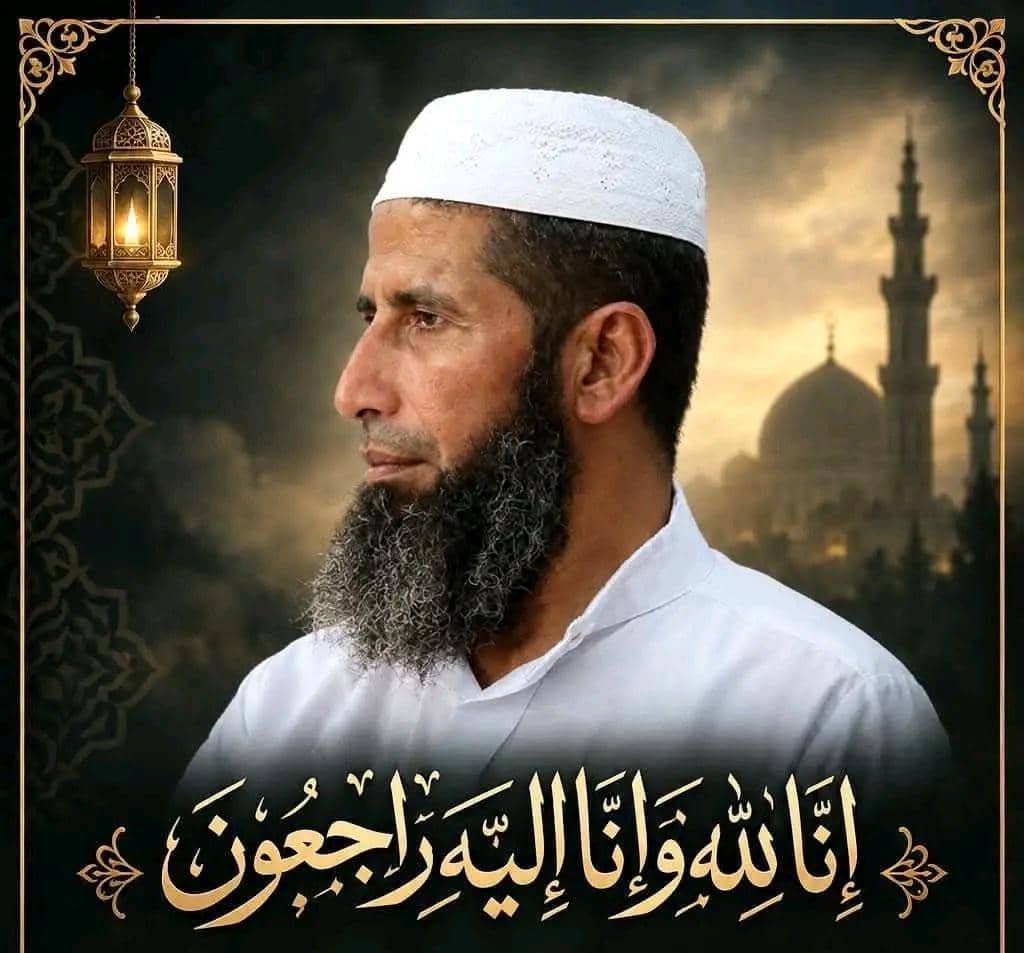
Ahmed Ashqa (18) was a Palestinian citizen from Kabul—an Arab town in the Galilee inside what Palestinians often call “Palestine 48” (i.e., present-day Israel)—who was killed during an incident involving Israel Police. **Mainstream / Israeli media coverage:** Israeli press reported that Israeli police shot and killed an 18-year-old Arab Israeli man in Kabul during a police operation, stating that officers opened fire after alleging he attempted to ram them with a vehicle. In a statement, Israel Border Police said an officer had fired at “a suspicious motorcyclist who did not heed officers’ calls to stop.” After Border Police fatally shot the 18-year-old Arab motorcyclist during a chase, an officer threw a stun grenade toward a crowd gathered near the victim’s body. Medical teams transported the injured youth to the Galilee Medical Center in Nahariya, where he later succumbed to his wounds. Local sources identified the victim as Ahmad Mohammad Ashqar, 18. Following the incident, clashes broke out between local youths and Israeli police forces, during which several arrests were reported. Israel’s National Security Minister, Itamar Ben Gvir, praised the officer who shot Ashkar, writing on X: “Those who endanger the lives of our police officers must be neutralized. I bless the fighter who took action; he has full backing from me.”

Raid and campaign of arrest in Qalqilya

West Bank, Qalqilya 18 Feb, 2026 - 19 Feb, 2026
On February 19, 2026, Israeli forces stormed Qalqilya, in West Bank, carrying out a arrest campaign. 1. At 22:30, they stormed the town of Azzun and conducted a patrol. 2. At 23:30, they stormed the town of Kafr Thulth and conducted a patrol. 3. At 00:50, they stormed the city of Qalqilya, arrested 18 citizens, and withdrew at 05:20. **Arrest:** The 18 detainees in the city of Qalqilya are: Musa Abdel Rahim Sawy, Kamal Ibrahim Al-Baz, Salah Muhammad Nasoura, Baraa Kamal Al-Baz, Abdel Rahman Nidal Harb, Abdel Rahman Kamal Al-Baz, Omar Nidal Harb, Muhammad Sameh Mahmoud Afana, Murad Rifaat Nofal, Walid Jibril, Omar Qaraqe, Baraa Iyad Hammad, Islam Kamal Al-Baz, Abdullah Muhammad Shuraim, Omar Qashmar, Musab Al-Baz, Hassan Harb, and Yasser Muhammad Saeed Hammad. At 15:00, the same day, the occupation forces arrested the citizen: Juriya Muhammad Hamdan Ahmed - resident of the village of Ras Tira, while she was near the apartheid wall.

Assassination of US-Palestinian Nasrallah Muhammad Jamal Abu Siam, 19 in Mukhmas

West Bank, East Jerusalem/Al-Quds, Mukhmas 18 February, 2026
At least 1 martyred
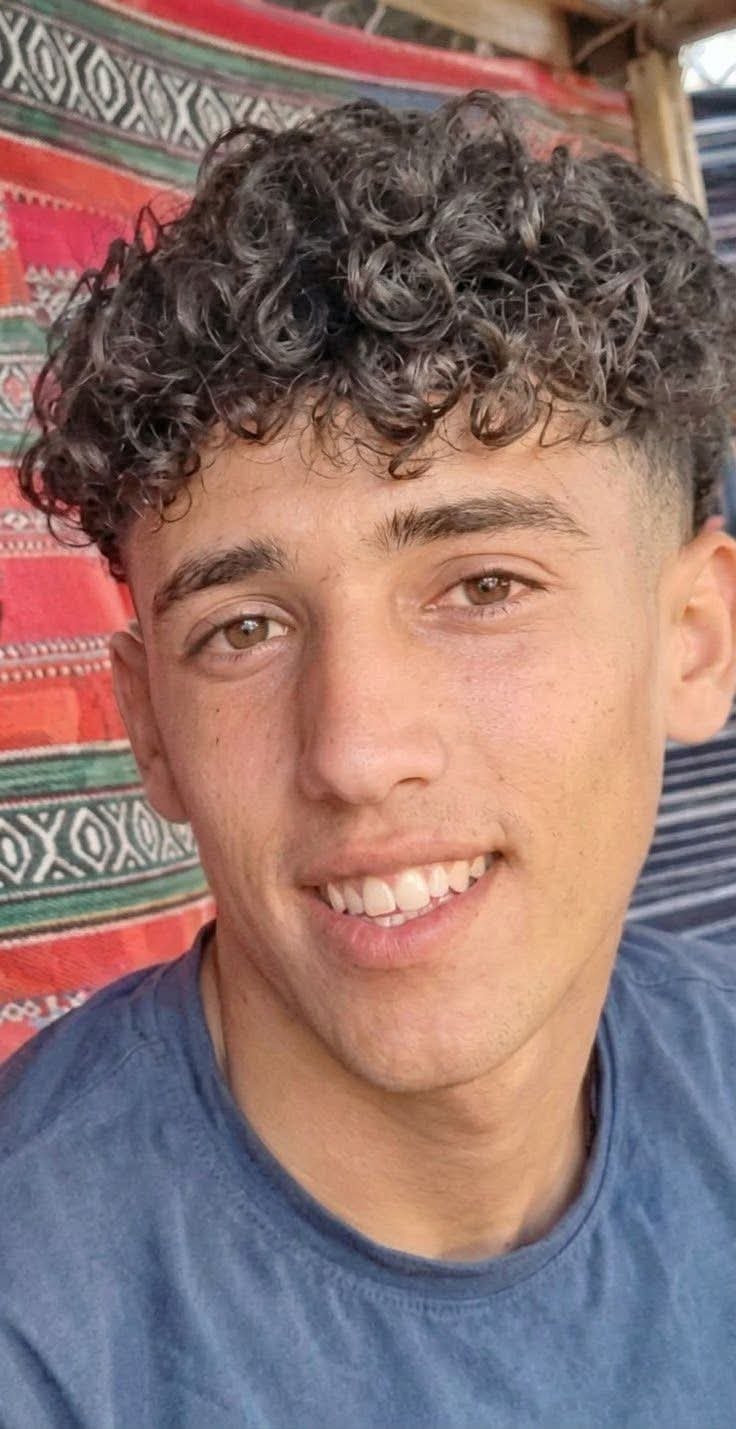
On February 18, 2026, Muhammad Jamal Abu Siam, 19, was injured by settlers. He died as a result of his injuries during an attack on the village of Mukhmas, northeast of occupied Jerusalem, according to the Ministry of Health. In the same attack, five citizens were injured by live bullets or severly beaten, three of them by live bullets, all transferred to the hospital with one in a critical condition. During the attack, the settlers were filmed stealing dozens of sheep. According to protective presence and local sources, the Jewish Pogromist Militias, stationed in "Ma'ale Michmach" Terror Outpost, Are responsible of the pogrom: they solte more than 200 sheep, shotfour Palestinians and murdered 19 year old Nasrallah Abu Siam. Israeli forces later arrived, and during the violence, armed settlers killed 19-year-old Nasrallah Abu Siyam and injured several others. Abu Ali said the army shot teargas, sound grenades and live ammunition. Israel’s military acknowledged using what it called “riot dispersal methods” after receiving reports of Palestinians throwing rocks but denied that its forces fired during the clashes. “When the settlers saw the army, they were encouraged and started shooting live bullets,” Abu Ali said. He added that they clubbed those injured with sticks after they had fallen to the ground. Nasrallah Abu Siam is the first martyr this year shot by the settlers, bringing the number since October 7, 2023 to 37 - according to the Wall and Settlement Resistance Commission - in light of the escalation of the colonialists’ attacks on Palestinian villages, towns and communities in the West Bank. The village of Mukhmas, and the nearby Bedouin community of Khallet al-Sidra, are subjected to repeated attacks by colonialists, under the protection of the occupation forces, including attacks on citizens and shooting at them, destroying and burning homes, barns and vehicles, sabotaging solar panels and surveillance cameras and seizing a number of them. The "Khallet al-Sidra" community is located about 800 meters northeast of the village of Mikhmas, where 16 families from the Kaabna and Jahalin clans reside, and together they number 59 people, about half of whom are children, who live by raising livestock. **According to Haaretz:** Israeli Army Blocks Palestinian Bedouins From Rebuilding Their West Bank Homes Burned by Israeli Settlers. Bedouin residents of Mukhmas arrived Sunday to rebuild homes torched by settlers but were stopped by Israeli soldiers, who said the area was a closed military zone. When asked about an Israeli man who photographed the houses, a soldier responded, 'He can do whatever he wants' **Timeline of the events on February 18:** According to the investigation of Jasper Nathaniel ~2:35 PM – A shepherd from Mukhmas is harassed by settlers trying to steal his livestock. He escapes to the village. Local men gather to protect their animals. ~Shortly after 2:35 PM – About 30 masked settlers arrive, accompanied by 5 Israeli soldiers. Settler named Amir claims he will help and orders villagers to retreat, promising no harm to the livestock. 3:27 PM – Physical violence erupts. Villagers attempt to retrieve livestock, beaten back by settlers and soldiers. Army fires tear gas and stun grenades. An elderly man is badly burned. Settlers drive off more sheep and goats. 3:48 PM – Settlers open fire with M16s. Nasrallah Abu Siyam shot in the thigh; bullet severs main artery. Others carrying him are also targeted. Settlers beat Nasrallah and other victims with rods. Army continues gassing village. After shooting – Settlers and army leave, taking 300+ livestock. Villagers call ambulance but cannot pass army checkpoint. They transport Nasrallah by car toward Ramallah hospital. ~5:30 PM – Nasrallah carried on foot to waiting ambulance due to traffic and checkpoints. Arrives at hospital nearly two hours after shooting. ~5:30 PM – 10:00 PM – Doctors attempt to save him for 4.5 hours. 10:00 PM – Nasrallah Abu Siyam, 19, pronounced dead. Later that night – Settlers return to the village; villagers gather in larger numbers to protect the village. Settlers leave without incident. **Name of the martyr:** Nasrallah Muhammad Jamal Abu Siam The 3 wounded (one of them was severely beaten) as a result of gunfire by the occupation forces and settlers on the outskirts of the village of Mikhmas are: 1. Osama Muhammad Kanaan, 2. Laith Muhammad Salama Abu Ali, 3. Salama Muhammad Salama Abu Ali. **Rare US State Dept comment** on the killing of a Palestinian American, Nasrallah Abu Siyam, 19 yo: *“We can confirm the death of a U.S. citizen in the West Bank on February 18. We extend our deepest condolences to the family and expect a full, thorough, and transparent investigation into the circumstances surrounding the death. U.S. Embassy Jerusalem has been in direct contact with the family to provide assistance.”* **On February 20, 2026**, United Nations chief Antonio Guterres condemns killing of 19-year-old dual Palestinian-American in occupied West Bank, calling by the moouth of spokesperson Stéphane Dujarric “for a prompt, thorough and transparent investigation into the circumstances of the incident and for those responsible to be held to account,” Guterres also urged Israel “to take concrete steps to halt and prevent all acts of violence by Israeli settlers against (the) Palestinian population” in line with its “obligations as the occupying power.” However, on this occasion, António Guterres did not call for an end to the illegal occupation of the Palestinian territories following the ICC ruling in August 2024.

Demolition of 10 residential apartments south of Hebron

West Bank, Al-Khalil/Hebron, Al-Harayeq 18 February, 2026
On February 18, Israeli forces demolished a residential complex in the Al-Harayeq area south of Hebron, near the Haggai settlement. The complex consisted of two buildings (10 apartments total) — one three-storey building with six apartments and another two-storey building with four apartments. The homes belonged to the Salhab family and housed more than 40 residents (some reports say around 50 people). The buildings belonged to Mohammed Salhab and his brothers. Salhab said the demolition happened despite him having legal documents proving the family’s ownership of the land and an ongoing court appeal against the demolition orders. The owner said the demolition took place despite legal documents proving land ownership and an ongoing court appel.

The details for each video come from social media. None of it has been verified.