
Genocide .live

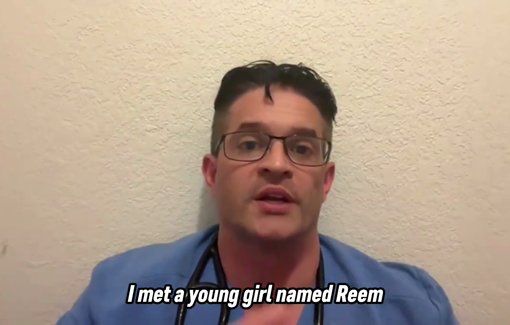
Gaza March on May 14 Sderot
Negev, Sderot, Israel
14 May, 2024
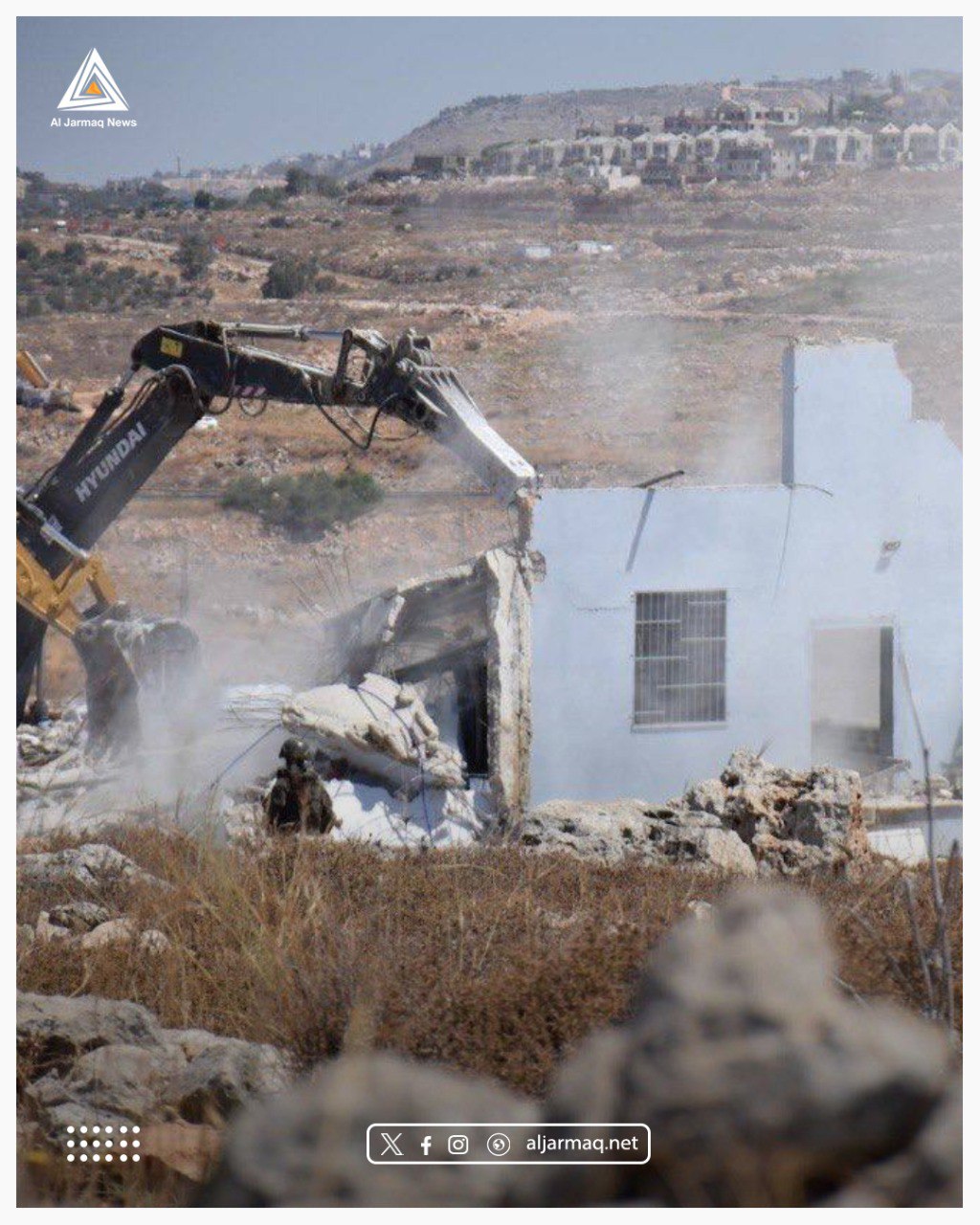
Shuqba under demolition campaign and settlers assaults
West Bank, Ramallah, Shuqba
01 May, 2024
### **Timeline of Incidents**
**On May 2, 2024**: The Israeli bulldozers demolishes two agricultural facilities of Farmers Mohammed Basem Mohammed Shalash and Ziyad Mohammed Marouf in Shuqba village). Reason: Lack of building permit; structures had stop-work orders since Nov 2021. Two weeks before the demolitions, Israeli forces had entered the targeted area, photographing the structures without providing any notice or warning of their intent to demolish them. The demolitions proceeded later without further communication.
**On March 5, 2024**: Demolition of an agricultural room and three livestock shacks. Reason: Alleged unlicensed construction
**On August 24, 2024**: Israeli military raid with grenades in Shuqba and nearby villages. Reason: Security operation; search-and-arrest suspected.
**On December 4, 2024:** Agricultural room (12 m²) and retaining wall demolished. Reason: No permit; existing stop-work order since 2023
**On January 16, 2025**: Demolition of an agricultural structure and landfill closure. Reason: Built without permits according to Israeli authorities
**On January 19, 2025**: Evacuation notices issued for 36 dunums (approx. 9 acres) of land. Reason: Declared “state property” by Israeli Civil Administration
**On January 29, 2025:** Destruction of agricultural structure (~60 m²) and rainwater cistern. Reason: Lacked building permit; demolition despite prior stop-work notice
**On February 11, 2025**: Demolition of an agricultural structure and tractor seizure. Reason: No permit; part of wider demolition campaign in 2024
**On February 20, 2025**: Israeli military raid—youth injured by live fire; shop searches and tear gas. Reason: Security operation; raids for suspected militants or weapons
**On May 13, 2025:** Israeli bulldozers demolished one inhabited two-story home (approximately 250 m²) belonging to Yaqoub Hamida Qadah in Shuqba. Reason: Construction was deemed “illegal” by Israeli authorities—lack of an approved permit. Other reports from IMEMC note that this followed the demolition of four additional homes in Shuqba earlier that day; OCHA’s update confirms demolitions reported in Shuqba on May 14
**On April 8 2025** – Demolition (agricultural room near annexation wall) Israeli forces razed a 60 m² agricultural room in Bayt Nuba, adjacent to Shuqba, citing proximity to the annexation wall in Area C. Official reason: Illegal construction within restricted buffer zone.
**On May 19, 2025**: Destruction of a two‑story house (Ibrahim Abdel Qader Shalash). Reason: Claimed illegal construction in Area C
**On July 9, 2025:** Bulldozers razed four homes and two barns in Shuqba. Reason: Broad campaign cited as displacement effort to advance land control and Judaization
**On January 21, 2026**, in the morning, the Israeli forces demolished 2 houses owned by citizens Khaled Abdullah Farah Qadah - consisting of two floors, with an area of 200 square meters, and inhabited by 6 people, and his brother Farah - consisting of two floors, with an area of about 380 square meters, and housing 11 individuals, under the pretext of not having a license.
**On May 16, 2026,** around 18:40, a group of settlers entered the western outskirts of the village of Shuqba, attacked citizens’ property, and attacked two agricultural rooms, one of which belonged to the citizen Wael Abdel Ghani Muhammad Thabet, and also burned two vehicles - one of which belonged to the citizen Munther Muhammad Saeed Masri, in addition to smashing the windows of 4 other vehicles - one of which belongs to the citizen Jalal Shehadeh Masri.
**On May 24, 2026**, around 12:15, the Israeli forces demolished, in the village of Shuqba, a one-story house owned by the citizen Abdullah Abdul Ghani Muhammad Thabet, under the pretext of not having a license.
**On June 4, 2026,** Israeli settlers attack a stadium full of children and set a vehicle on fire.
**On June 21, 2026**, around 22:50, a group of settlers in the village of Shuqba set fire to a vehicle graveyard, causing the fire to spread to large areas of the graveyard and the surrounding land.
### Reasons behind these demolition raids
Most demolitions are attributed to lack of building permits, often coupled with stop-work or eviction orders. Land is frequently deemed “state land” by Israeli authorities, prompting notices and removal.
The April demolition targeted structures near the annexation barrier (Area C), deemed illegal due to buffer-zone rules.
These acts are widely interpreted by rights organizations as part of a systematic approach to reduce Palestinian presence, particularly in Area C, and facilitate settlement expansion or Judaization efforts.
The March raid was part of broader military/population-control tactics which often involve search-and-seizure, presence near schools, and demolition orders tied to alleged security needs. Military raids involve raids, live fire, tear gas, and property searches tied to alleged security threats or anti-resistance efforts.
The case of July 9, 2025, especially stands out as coordinated across multiple locations, suggesting a strategic campaign
### **Legal framework:**
The actions of the Israeli authorities in demolishing Palestinian homes and agricultural structures are violations of international law and humanitarian principles, including the right to adequate housing, as protected by several international legal provisions:
~ Article 147 of the Fourth Geneva Convention: Defines the destruction and seizure of property on a large scale, not justified by military necessity, as a serious violation of the Convention.
~ Article 53 of the Fourth Geneva Convention of 1948 :prohibits the destruction of property, as this article states the following: “Any destruction by the Occupying Power of real or personal property belonging individually or collectively to private persons, or to the State, or to other public authorities, or to social or cooperative organizations, is prohibited, except where such destruction is rendered absolutely necessary by military operations.”
~ Article 33 of the Fourth Geneva Convention: “States that no person can be punished for an offense they have not personally committed”.
~ Paragraph (g) of Article 23 of the Hague Convention (1907): Warns against the destruction or seizure of enemy property unless justified by military necessity.
~ Article 17 of the Universal Declaration of Human Rights (1948): States that "No one shall be arbitrarily deprived of their property."
Attacks and pogroms on Khirbet al-Tawil
West Bank, Nablus, Khirbet al-Tawil
15 April, 2024
At least 2 martyred
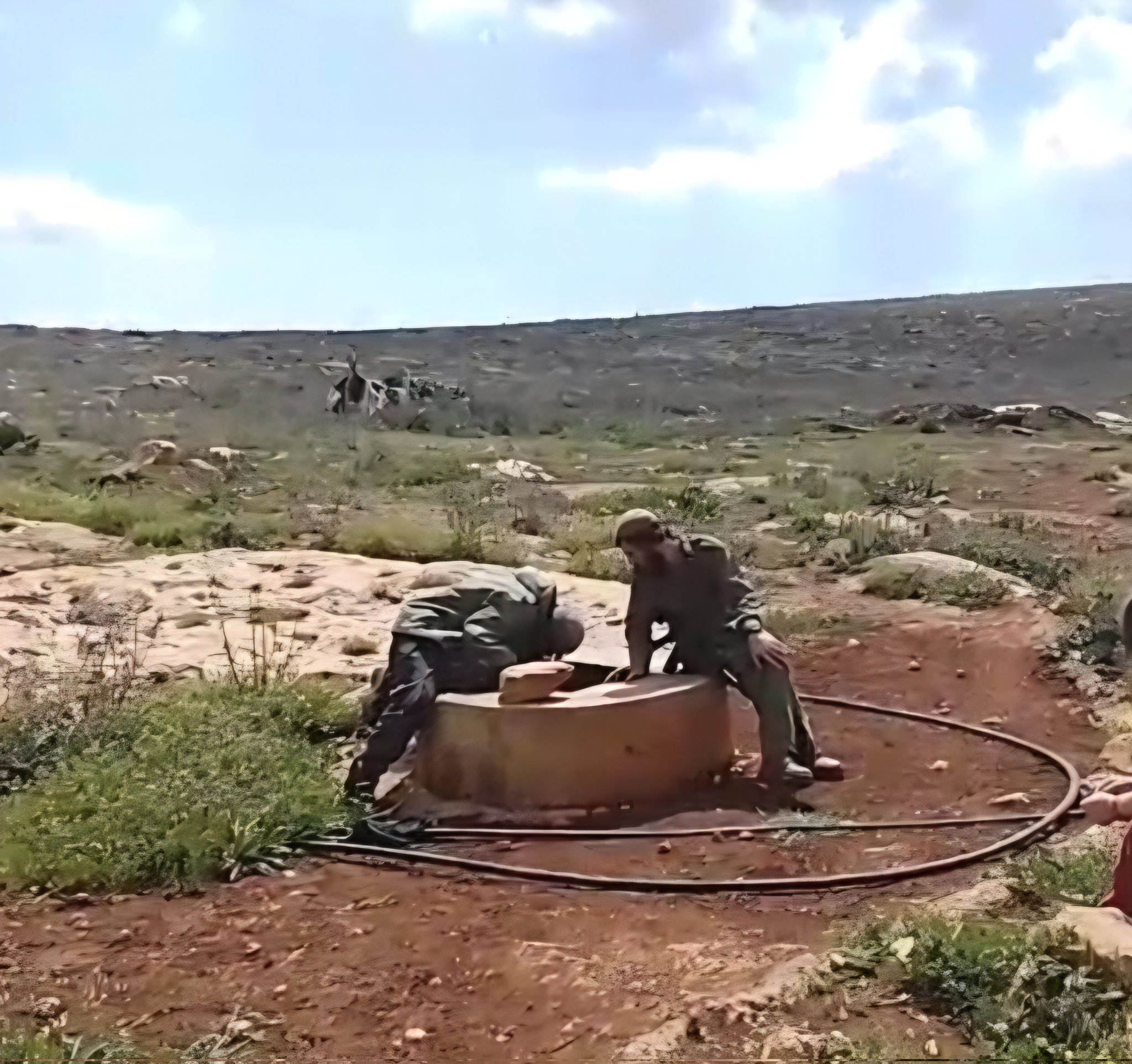
Khirbet al-Tawil is a small Palestinian rural hamlet located east of Aqraba, in the Nablus Governorate in the occupied West Bank, on the slopes overlooking parts of the Jordan Valley area. It lies in Area C, which is under Israeli civil and military control under the Oslo framework.
Khirbet al-Tawil appears frequently in reporting because of issues involving demolitions, land access, military-zone designations, and nearby settlement activity.
The village is also subject to harassement and attacks from the nearby violent outpost "Jackson farm".
**On April 15, 2024:**
Roughly 50 armed settlers attacked Khirbet al-Tawil. According to local officials, shots were fired during clashes. Two Palestinians — identified in reports as Mohammed Bani Jame and Abdulrahman Bani Fadel/Bani Fadl — were killed, and others were injured. Reuters and other reports described this as part of a wave of retaliatory settler attacks after the killing of an Israeli teenage shepherd.
**On July 11, 2024:**
Israeli authorities demolished agricultural structures and sheep pens in Khirbet al-Tawil. While not itself described as a settler assault, documentation linked these measures to wider pressure on shepherd communities already facing settler attacks and displacement risks.
**On July 3, 2025:**
Israeli settlers established new illegal outposts in the Khirbet al-Tawil/Aqraba area, including mobile homes and embarked on leveling and bulldozing the area around them.
**On July 9, 2025:**
Settlers attacked Khirbet al-Tawil, injuring eight Palestinians. The Palestine Red Crescent Society teams transported "three cases of live bullet wounds to the legs resulting from the settler attack on Khirbet al-Tawil" to hospitals, the humanitarian organization said in a statement.
In a later statement, the Red Crescent said its teams treated "five additional injuries, including one child, caused by beatings from settlers."
**On April 13, 2026,**
Settlers were building a (new) outpost opposite the home of one of the families near the village homes with the aim of expelling the families and taking over the houses and privately owned land. According to testimony, teh previous night the outpost residents harassed people in their homes and stole a solar panel. A soldier or someone impersonating a soldier, wearing military uniform and carrying Israeli army-issued weapons, was together with a settler. After many months of harassment by settlers, fear and pressure did their work, and the family fled. The army and the police refused to come. When activists called the police for help, they were told that settlers are allowed to be wherever they want.
**On June 6, 2026,**
Shortly after midnight, young settlers broke into the home of Anad Bani Jaber (65) and assaulted him and his wife while they were asleep. They then stole the security camera installed outside their home and fled.
Settlers beat people, steal, and run away.
Settlers attacks on the Deir Dibwan village
West Bank, Deir Dibwan, Ramallah
13 April, 2024
Deir Dibwan (Arabic: دير دبوان) is a Palestinian city in the Ramallah and al-Bireh Governorate in the central West Bank east of Ramallah. Since the Six-Day War in 1967, Deir Dibwan has been under Israeli occupation.
After the 1995 accords, 0.2% of the village land was classified as Area A, 16.8% as Area B, and the remaining 83% as Area C. Israel has confiscated about 1,287 dunums of land from Deir Dibwan in order to construct the Israeli settlement of Ma'ale Mikhmas.[26]
Arson by settlers in Deir Dibwan, May 2024
In May 2024 Israeli settlers attacked Deir Dibwan from the east, burning tents and sheep pens.[27]
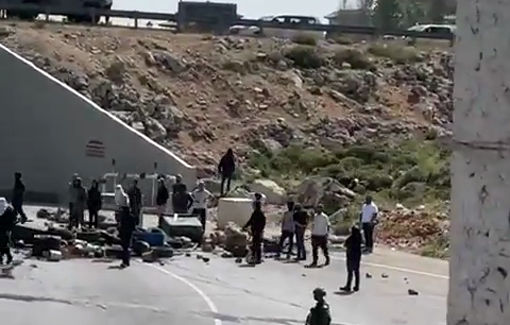
**On April 13, 2024**, IDF-assisted Israeli settlers blocked the entrance to the town of Deir Dibwan. During a night’s riots, settlers were caught on camera setting a vehicle on fire in Deir Dibwan, right in front of soldiers guarding them. Shin Bet stated taht "This was filmed by the owner's security camera. As seen in the video, the soldiers don't intervene - contrary to their duty & authority".
**On February 22, 2025** , a group of Israeli settlers, protected by Israeli occupation forces, attacked the town of Deir Dibwan, east of Ramallah, on Saturday evening, stealing approximately 800 sheep, three horses, two donkeys, and water tanks belonging to Palestinian residents Nayef Manasra and Abdul Halim Awada, in more than half a million dollars worth of livestock. Later, Israeli forces raided the town and stormed a home, confiscating the security camera footage from the property. Later, Israeli forces raided the town, broke into the home of Issa Khader Yassin, and confiscated the security camera footage from his home’s security camera
**On June 4, 2025**, in the evening, dozens of Israeli settlers raided the village of Deir Dibwan. They attacked a sheep farm, and a horse stables and set homes and vehicles on fire. One family narrowly escaped death as flames engulfed their home, managing to save their two-month-old baby just in time. The mayor confirmed that 35 people were injured as a result of the assaults. [see the event](https://genocide.live/event/2096)
**On october 24, 2025**, Israeli settlers set fire to a number of Palestinian vehicles in Deir Dibwan, east of the occupied West Bank city of Ramallah, at dawn.
**On October 31, 2025**, in de morning, dozen of settlers set vehicles on fire during an attack between the towns of Beitin and Deir Dibwan.
**On December 26, 2025**, settlers from the Or Meir outpost attacked the village. The attack began at night when settlers broke into a building, attacked and tied up two residents, and stole a herd of sheep. In the afternoon, dozens of settlers armed with rifles and cold weapons broke into the village, burned a house, and injured 12 residents.
**On April 22, 2026**, on Israel's Independence Day, armed settlers stormed the village, killing 29 year old civilian Oda Awawda. Israeli army soldiers participated in the events, cordoining the village and arresting 30 residents. No arrests of the rioting settlers was reported. [See event](https://genocide.live/event/2703)
## **Reuters investigation on December 2025:**
"Messages on the Or Meir Telegram channel, which is public, suggest a well-organized plan to take land, a finding supported by Reuters examination of a dozen other Telegram and WhatsApp groups representing similar groups, three interviews with settlers and pro-settler groups and on-the-ground reporting around Or Meir and a new settlement. "The evidence shows that this is a systematic pattern of violence,” said Milena Ansari, a researcher based in Jerusalem for Human Rights Watch whose work includes research on settlements in the West Bank. The Bedouin Musabah family said they were attacked at night in June from the direction of Or Meir. Charred remains of their home and a barn were still visible to a Reuters team in December.
In November 2024, the Or Meir account posted that it aimed to settle "a strategic ridge near the settlement of Ofra" seeking to create "a continuous Jewish settlement presence." Dror Etkes, an Israeli peace activist, said other outposts served the same purpose, fracturing the West Bank and "limiting the possibility of Palestinians to be in these places." Despite the government's actions to recognise dozens of previously irregular outposts, Israel’s military told Reuters in a statement Or Meir "is illegal and has been evacuated several times by the security forces." It did not provide specifics about why it considered the outpost illegal or why it was "evacuated" - the military's word to describe closure or demolition of outposts in the West Bank.
After the most recent evacuation in March, Or Meir re-emerged with the help of over 100,000 shekels ($30,000) raised by donations, according to the settlement's website. Reuters couldn't independently confirm the donations. The former outposts Israel has formalised as settlements over the years include ones previously evacuated by the army. Ofra, also on Road 60 just north of Or Meir, started as an outpost and is now a major housing development. "Why do we continue?" asked a post by the Or Meir Telegram account in March after the evacuation. The post then answered its own question. "All breakthroughs in settlements were accomplished this way. At first, the state refused to accommodate any activity on the ground and fought it fiercely, but due to the persistence of the citizens, it eventually had to accept it." In December, Smotrich said 51,370 housing units had been approved for West Bank settlements since he became minister in late 2022, part of what the U.N. describes as the fastest expansion of settlements since its monitoring began in 2017. Smotrich's office did not respond to a request for comment. On September 30, the Oir Meir Telegram account published a map showing the location of the outpost. The map highlighted a large area with a blue boundary stretching to the edge of Deir Dibwan. The group said the marked area was under control of their outpost.
Murdering World Central Kitchen aid workers
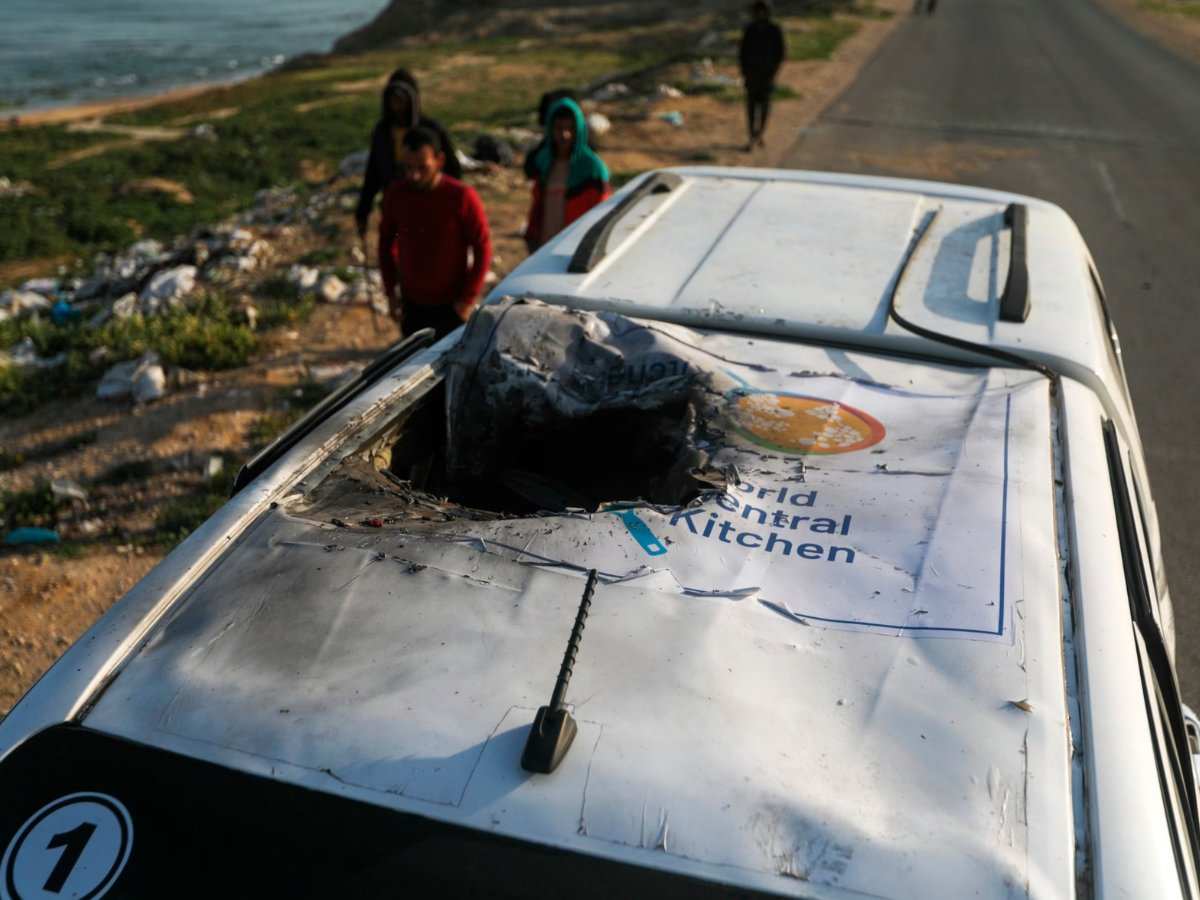
Gaza, Deir al-Balah, Central Gaza
01 April, 2024
At least 7 martyred
The seven killed are from Australia, Poland, United Kingdom, a dual citizen of the U.S. and Canada, and Palestine.
The footage showed the victims were dressed in protective gear with World Central Kitchen logos and displayed some of their passports identifying the British, Polish and Australian workers.
The Palestine Red Crescent Society said it had recovered all seven bodies from the scene of the incident following a "challenging operation spanning several hours".
The humanitarian group added that the bodies had been taken to the Abu Yousef al-Najjar hospital in southern Gaza in preparation for their evacuation through the Rafah border crossing into Egypt.
**What role has WCK ?**
Two main reasons explain why WCK has become so indispensable in Gaza:
1° Its ability to distribute food, facilitated by good relations with Israel (as an American NGO), and the establishment of a maritime corridor and a distribution network.
2° The fact that UNRWA, the largest UN agency operating in Gaza, has been accused by Israel—without any evidence ever presented—of being pro-terrorist and including armed Hamas members in its ranks. This smear campaign has led many countries to reduce funding to UNRWA. The campaign has been criticized as an Israeli strategy to isolate and starve Gaza's inhabitants.
The group is no stranger to conflict zones : it has also operated in Ukraine since the start of the Russian invasion, where it has also lost seven people. WCK has been operating in Gaza - as well as in Israel and Lebanon - since October 7, 2023. By 29 March, the organisation had dispatched more than 1,700 trucks with food and cooking equipment through the Rafah crossing from Egypt, and was working through 68 "community kitchens". Additionally, it has delivered 230,000 meals from Jordan, both overland and via airdrops, and sent 435,000 meals by sea.
## Statements and calls to investigation
**In their [statement](https://wck.org/news/gaza-team-update),** on April 3, CEO World Central Kitchen Erin Gore claims that :
- Their team have been **killed in IDF strikes** in Gaza
- The WCK team **was traveling in a deconflicted zone in two armored cars branded with the WCK logo and a soft skin vehicle**
- The movements was **coordinated with the IDF**
- The convoy was hit as it was leaving the Deir al-Balah warehouse, where the team had unloaded more than 100 tons of humanitarian food aid brought to Gaza on the maritime route
- **They consider this attack not only against WCK, but on all humanitarian organizations in order to starve Palestinian population** "where food is being used as a weapon of war"
*“I am heartbroken and appalled that we—World Central Kitchen and the world—lost beautiful lives today because of a targeted attack by the IDF. The love they had for feeding people, the determination they embodied to show that humanity rises above all, and the impact they made in countless lives will forever be remembered and cherished,”*
**IDF respons**
The IDF says it is “carrying out an in-depth examination at the highest levels to understand the circumstances of this tragic incident.” "We will get to the bottom of this and we will share our findings transparently," IDF spokesperson Rear Adm Daniel Hagari vowed. The work of WCK is critical; they are on the frontlines of humanity." Mr Hagari added that the IDF had been "working closely with the World Central Kitchen to assist them in fulfilling their noble mission of helping bring food and humanitarian aid to the people of Gaza".
Mr Netanyahu released a video message on Tuesday in which he said Israeli forces were behind the attack. "Unfortunately, in the last 24 hours there was a tragic case of our forces unintentionally hitting innocent people in the Gaza Strip," and he claimed responsibility for the “unintended” airstrikes and said it was a “tragic event,” but he also said "It happens in war, we check it to the end, we are in contact with the governments, and we will do everything so that this thing does not happen again."
**International government statements :**
- UK Prime Minister Rishi Sunak spoke to Mr Netanyahu on Tuesday. On the call, he described the situation in Gaza as "increasingly intolerable" and "demanded a thorough and transparent independent investigation" into the killing of the aid workers. Mr Sunak added that Israel needed to end restrictions on humanitarian aid and protect civilians, according to a Downing Street statement.
- Australian Prime Minister Anthony Albanese said he had "expressed Australia's anger and concern" in a long phone call with Mr Netanyahu, and that he expected a "full and proper explanation for how this has occurred"
- Polish Foreign Minister Radoslaw Sikorski said he had demanded an independent investigation from Israel Katz, his Israeli counterpart.
- Canadian Prime Minister Justin Trudeau said "full accountability" was needed, adding that it was "absolutely unacceptable for aid workers to be killed" by the IDF
**Aftermath :**
World Central Kitchen paused their operations in the region during several months.
In his chronicle from April, Rami Abou Jamous[expresses](https://orientxxi.info/dossiers-et-series/on-meurt-sous-les-memes-bombes-qui-ont-tue-les-humanitaires-de-wck,7213) one of the most important concern about this massacre :
*"The result is that WCK has stopped working in Gaza and other NGOs are now afraid. They have drawn an obvious conclusion: if the WCK aid workers who had good relations with the Israelis and the Americans, and who had great facilities to bring goods into Gaza suffered this fate, the others, who struggle to coordinate with the Israeli forces, now know that no one is safe."*
### Investigations
**Geolocation**
Geolocation of the damaged WCK vehicle on Al-Rashid Coastal Road, going south, from Deir al-Balah, 31.416816, 34.329056

The second vehicle with a hole through it's top can be found, approximately 800 meters from the heavily damaged and burned out car, at the following coordinates: 31.411617, 34.322912

A third vehicle was also found here by @m_osint that's approx 1,6 kilometres away from the second car, at the following coordinates: 31°24'02.32" N 34°18'41.30" E

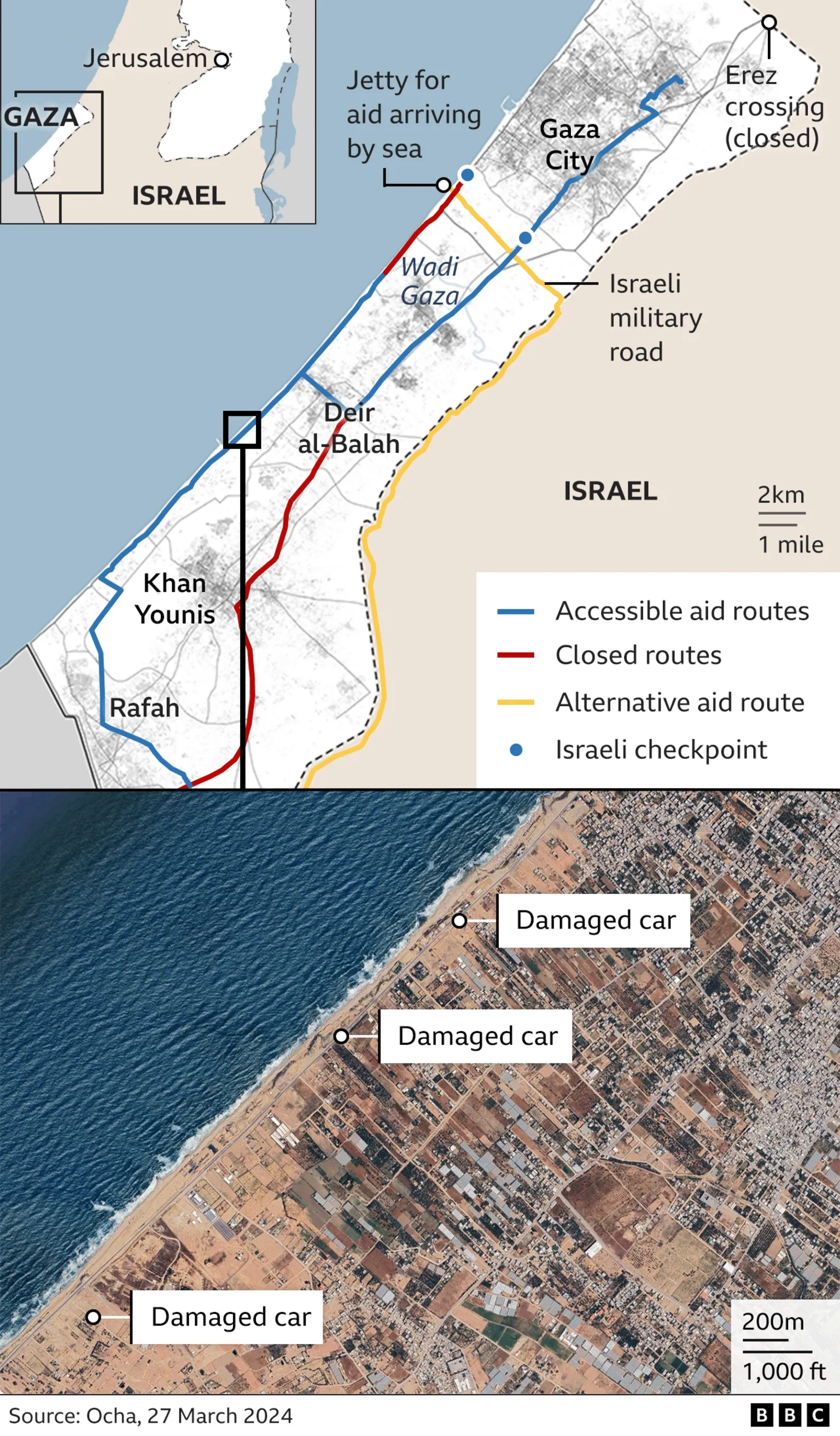
## Chronology of Events in the Strike That Killed Aid Workers (as per IDF Findings):
**10:00 PM:** A convoy of eight World Central Kitchen (WCK) lorries left the unloading pier in Gaza, heading to a warehouse.
**10:28 PM:** Drone surveillance identified an armed individual on one of the lorries, apparently firing to manage a crowd. IDF notified COGAT (Coordination of Government Activities in the Territories), which tried unsuccessfully to contact WCK on the ground and in Europe.
**10:46 PM:** A second armed person joined, leading the IDF to classify the convoy as carrying Hamas operatives. However, the drone operator was ordered not to strike due to its humanitarian nature.
**10:55 PM:** Four vehicles left the warehouse, with two Hermes 450 armed drones monitoring. One vehicle diverged north toward a second hangar; its occupants were deemed armed and linked to Hamas. The other three vehicles headed south with the seven aid workers.
Pre-Strike Assumptions:
- Hamas fighters occupied the vehicles.
- The aid workers remained at the warehouse.
- The humanitarian mission was over.
**11:09 PM:** First missile struck the lead vehicle after sign-off by an IDF Colonel and Major, based on misidentifications.
**11:11 PM:** A second strike hit the next vehicle, despite visible charity logos. Survivors fled to the third car.
**11:13 PM:** A third strike destroyed the remaining vehicle, killing all seven aid workers.
**In conclusion**, IDF admited the following key failures on an operation they justified by pretending Hamas fighters were in the convoy (They brought no evidence of these allegations) :
- The coordination plan agreed between the WCK and the IDF was not distributed down to operational level
- They have a suspicion that an armed man had entered Misidentification of the convoy and its passengers.
Breakdown in communication within the IDF command chain.
Inadequate visibility of charity markings on vehicles at night.
- Violations of operational protocols in ordering subsequent strikes without updated evidence.
- The IDF admitted to "grave mistakes" and suspended involved personnel, citing systemic failings in identification and rules of engagement.
The first is that one of the vehicles, was not enough to justify identifying it as a target
The third failing was to continue firing after the first missile had struck the first car
After this internal investigation, international demands for independent investigations and accountability persist.
**D. Declassified UK Pushes for Release of RAF Footage in Gaza Aid Worker Killings** ([July 22, 2024](https://www.declassifieduk.org/uk-covers-up-gaza-spy-footage-from-day-of-aid-worker-massacre/))
Declassified UK is investigating the UK government's role in withholding surveillance footage from a Royal Air Force (RAF) spy plane over Gaza on April 1, 2024, the day Israeli airstrikes killed seven international aid workers, including three British veterans. The UK Ministry of Defence (MoD) refuses to release the footage, citing security concerns. Declassified has filed a Freedom of Information (FOI) request and plans to appeal the MoD's decision. Families of the deceased aid workers demand access to the footage, believing it could clarify the circumstances of their deaths.
The International Criminal Court (ICC) is also investigating potential war crimes by Israel, and the footage could serve as key evidence. Declassified is pressing the UK government to share this information with the ICC, as the UK has a duty to cooperate in war crimes investigations, especially involving British citizens. The situation highlights the tension between national security, accountability, and international law, with Declassified playing a critical role in advocating for transparency.
Victimes's names
- Saifeddin Issam Ayad Abutaha, 25 (Palestinian)
- John Chapman, 57 (U.K.)
- James "Jim" Henderson, 33 (U.K.)
- James Kirby, 47 (U.K.)
- Damian Sobol, 35, (Poland)
- Jacob Flickinger, 33, (U.S. and Canada)
- Lalzawmi "Zomi" Frankcom, 43, (Australia).

[Source]
https://www.bbc.com/news/world-us-canada-68715254
https://www.bbc.com/news/world-68710515
https://www.bbc.com/news/world-us-canada-68715254
https://thehill.com/policy/international/4575144-who-are-the-world-central-kitchen-workers-killed-by-israeli-strike/
**Aftermath and impunity**
On Augustus 19, 2026, the Israeli military announced that it would launch criminal investigations into two high profile attacks in Gaza, including the killing of five-year-old Hind Rajab and six members of her family in January 2024, and the massacre of 15 Palestinian aid workers in southern Gaza in March 2025.
Though, the military said it would not launch criminal investigations into three other attacks that killed aid workers from World Central Kitchen and Doctors Without Borders. The decisions followed reviews by the Israeli military’s fact-finding mechanism, which is officially tasked with examining exceptional operational incidents during wartime.
**IDF statement:**
"On April 1, 2024, during a WCK operation to transfer humanitarian aid in the Gaza Strip, fire was directed at vehicles belonging to the organization, resulting in the deaths of seven of its employees.
The findings of the examination indicate that, on that day, IDF troops identified a gunman on a truck in the humanitarian aid convoy while it was on a route to a warehouse for the unloading of the aid. The troops also identified vehicles surrounding the trucks in a manner that, in their assessment, and based on accumulated operational experience, corresponded to a scenario in which the Hamas terrorist organization had taken control of the convoy.
The examination further found that WCK employees had hired an armed security force to accompany the convoy until the completion of the operation in order to protect it from seizure by armed actors in Gaza. This was done due to the convoy’s delayed departure, during nighttime hours, from the pier at which the aid had been collected, toward the warehouse where the aid was to be unloaded. The presence of this armed security force in the organization’s vehicles was not coordinated with IDF authorities.
After the convoy arrived at the designated warehouse and unloaded the aid, several individuals were mistakenly – as later became apparent – identified as armed persons. Those individuals entered vehicles that began travelling south from the warehouse, deviating from the route that the organization had coordinated in advance with the IDF. Accordingly, and in light of the assessment that Hamas operatives had taken control of the convoy before its arrival at the warehouse, the IDF mistakenly believed that the vehicles contained Hamas military operatives and therefore struck the vehicles.
The examination also found that, during the sequence of events described above, IDF personnel attempted to contact WCK representatives in order to verify their assessment that the people in the vehicles were indeed not members of WCK. These attempts, made during the approximately half-hour period in which the convoy vehicles were tracked on the understanding that they contained Hamas operatives, were unsuccessful.
After the findings of the initial examination were presented to the previous Chief of the General Staff, shortly after the incident, and in light of the grave consequences of the incident, he decided to remove from their positions the Brigade Humanitarian Assistance Officer (an officer with the rank of Major), and the Brigade Chief of Staff (a reserve officer with the rank of Colonel). Additionally, the Brigade Commander (an officer with the rank of Colonel), the Commander of the 162nd Division (an officer with the rank of Brigadier General), and the Commander of the Southern Command (an officer with the rank of Major General), were formally reprimanded.
In light of prior professional familiarity with one of the individuals involved in the incident, the Military Advocate General (MAG) refrained from personally making the decision in this case. The decision was therefore made by the Chief Military Prosecutor in the MAG Corps.
Following review of all findings of the factual assessment, it was determined that, notwithstanding serious failures in the process that led to the assessment that Hamas operatives were travelling in the vehicles, the decisions of the commanders did not raise reasonable suspicion of criminal misconduct. This conclusion was reached in view of the sequence of suspicious indicators and the totality of the operational circumstances.
Accordingly, it was determined that there is no reasonable suspicion of criminal misconduct that would justify the opening of a criminal investigation or the taking of additional measures against any of those involved in the incident, beyond those described above"

Palestinian bus driver stabbled by settler in Deir Qadis
West Bank, Ramallah, Deir Qadis
25 March, 2024
On March 25, 2024, on Sunday evening, Jerusalemite bus driver Ahmed Abu Al-Hawa was stabbed by settlers in the Kiryat Sefer settlement, near Ramallah, amid tensions over the Gaza conflict and Al-Aqsa restrictions. He was hospitalized for treatment. The attack was one of many racist assaults on Jerusalemite bus drivers, with no action taken by occupation authorities. A video showed blood on the bus where Abu Al-Hawa was working.
**Sources :**
[1](https://www.arab48.com/%D8%A7%D9%84%D8%A3%D8%AE%D8%A8%D8%A7%D8%B1/%D8%A3%D8%AE%D8%A8%D8%A7%D8%B1-%D8%B9%D8%A7%D8%AC%D9%84%D8%A9/2024/03/24/%D9%81%D9%8A%D8%AF%D9%8A%D9%88-%7C-%D8%A5%D8%B5%D8%A7%D8%A8%D8%A9-%D8%B3%D8%A7%D8%A6%D9%82-%D8%A7%D9%84%D8%AD%D8%A7%D9%81%D9%84%D8%A9-%D8%A7%D9%84%D9%85%D9%82%D8%AF%D8%B3%D9%8A-%D8%A3%D8%AD%D9%85%D8%AF-%D8%A3%D8%A8%D9%88-%D8%A7%D9%84%D9%87%D9%88%D9%89-%D8%B7%D8%B9%D9%86%D8%A7-%D9%85%D9%86-%D9%82%D8%A8%D9%84%D9%85%D8%B3%D8%AA%D9%88%D8%B7%D9%86%D9%8A%D9%86)
[2](https://imemc.org/article/israeli-colonizer-stabs-a-palestinian-bus-driver-near-ramallah/)
Avraham ben David Assassination
West Bank, Gush Etzion
21 March, 2024
Avraham ben David was a 63 year old Palestinian Jew who was murdered by the Israeli army this 21th March 2024 in the West Bank, it says a lot about Israeli racism:
During the 1929 riots in Hebron, Samah Zaytun's grandfather saved 25 Jews from the massacre. Samah was so moved by his grandfather's story that he decided to convert to Judaism. He attempted to follow the official Israeli conversion process, but was refused, as the authorities refuse any such request from Palestinians. He tried to insist, but without success. Eventually, he managed to be accepted into a conversion program led by a renowned rabbi from Bene Beraq. After a long process, he was declared Jewish and his name was changed to David Ben Abraham.
The PA detained him for 58 days (I'm not sure what the charge was, but I assume it was suspicion of collaboration). He was beaten and mistreated during his detention.
After his conversion, he hoped to be accepted as an Israeli citizen. After all, he was now officially Jewish. He even continued to study Judaism in Jerusalem. But not only did the State of Israel refuse to grant him citizenship, he could not even obtain an entry permit to Israel or a work permit.
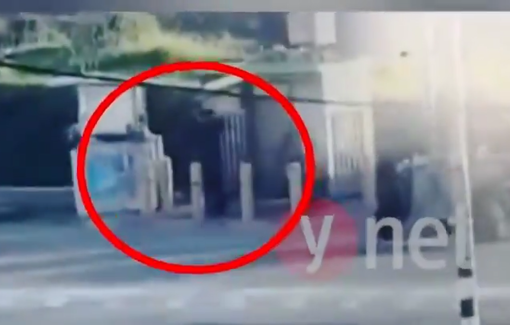
He was waiting at a bus stop near the settlement of Elazar in Gush Etzion today. Israeli reserve soldiers suspected him and searched him. After finding a knife in his bag, probably for self-defense, a soldier shot him dead.
"In the meantime, an IDF investigation into the matter was opened, and the reserve fighter Shira was questioned under a warning. The IDF stated that "during an operational activity, an IDF force fired at a Palestinian who aroused his suspicions at Elazar Junction in the Etzion Brigade, an injury was detected and later the death of the Palestinian was determined. Immediately upon receiving the report about the serious incident, the military attorney's office ordered the opening of an investigation by the military police."
On behalf of Capt. (resp.) Mia Katz and Lt. Yasmin Younes representing the soldier on behalf of the military defense, it was stated that "this is an outstanding soldier, who was recruited to serve in the reserves from the beginning of the war, and only recently received a badge of distinction for his heroism in thwarting the stampede attack that took place about three weeks ago in Gush Etzion." According to them, "even in the alleged incident, the soldier acted with determination and we have no doubt that the investigation will clarify the sequence of events and the case will end with another badge of honor that will be awarded to the soldier."
[Source 1](https://www.ynet.co.il/news/article/hym4dpy0t)
[Source 2](https://x.com/ireallyhateyou/status/1770787765216551218)
Journalist Rula Hassanein arrest and unlawful detention
West Bank, Bethlehem
19 March, 2024
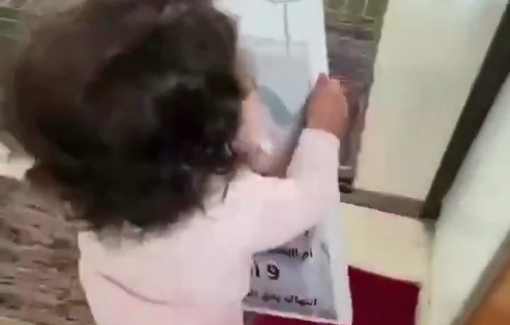
Rula Hassanein, a 29-year-old Palestinian journalist, has gained international attention due to her recent detention by Israeli forces and the severe impact it has had on her family, especially her young daughter.
**Hassanein was arrested on 19 March 2024, during a raid on her home south of Bethlehem in the occupied West Bank.** Her detainment is part of a broader trend of increased arrests of Palestinian women—many of whom are journalists, activists, and mothers—under the charge of "incitement," particularly as tensions have escalated since the Gaza conflict began in early October.
During the raid, Hassanein was reportedly handcuffed, blindfolded, and taken from her home despite her pleas to bring Elia with her due to the infant’s reliance on breastfeeding. Elia quickly became dehydrated following her mother’s arrest and required urgent intravenous nutrition.
On July, Despite the court order for the release of journalist Rula Hassanein weeks ago, Israeli forces refuse to release her to this date.
### Baby's Health Needs:
Rula gave birth to twins, Elia and Youssef, last year. Youssef tragically passed away three hours after birth. Her surviving daughter, Elia, required intensive care in an incubator for her first 40 days and still suffers from health issues related to her premature birth : Elia has a weakened immune system, which causes ulcers on her hands, feet, and mouth, making it challenging for her to feed. Due to these issues, she depends entirely on her mother’s breast milk, which has caused significant distress and health complications since her mother’s detention.
Elia became dehydrated after her mother’s arrest and required intravenous feeding.
Hassanein’s request to bring Elia to prison was denied by Israeli authorities.
Her husband, Shadi Brejiya, describes the traumatic experience for their daughter, who was left screaming in distress after her mother’s removal.
### Rula detention conditions and health risks
**Prison Conditions:** Initially taken to an army camp, Hassanein was later transferred to the Hasharon and then Damoun prisons, where conditions are poor.
Reports from her family detail her sleeping without mattresses or blankets and surviving on one cold, insufficient meal per day, no access to essential medications for her chronic kidney disorder. Her sister, Hadeel, reported her appearance of exhaustion during her brief court appearance, where family members were prevented from interacting with her.
**Chronic Health Issues:** Rula herself has battled a chronic kidney condition called "minimal change disease" since 2017, which requires her to receive regular medical attention and medication. The Israeli authorities denied her request to bring essential medications with her upon arrest.
### Broader Implications of Her Arrest
Rula Hassanein’s arrest is part of a concerning surge in detentions of Palestinian women, especially journalists, on incitement charges. Many organizations have pointed out that the criteria for "incitement" are broad and often applied to social media posts that express political opinions. Her case reflects the growing number of Palestinian detainees held on administrative detention, a practice in which detainees are held without charges, subject to indefinite renewal.
### Escalation in Arrests of Palestinian Women:
The Palestinian Prisoners Society (PPS) reports a significant increase in the arrests of Palestinian women—journalists, activists, and mothers—on incitement charges. Many women face "administrative detention" where detainees are held without formal charges or trials, often for extended periods.
Source [1](https://lithub.com/why-american-journalists-should-be-outraged-about-the-dozens-of-palestinian-journalists-jailed-in-israel/)
[2](https://www.middleeasteye.net/news/israel-wont-release-palestinian-journalist-sick-baby-reliant-breast-milk)
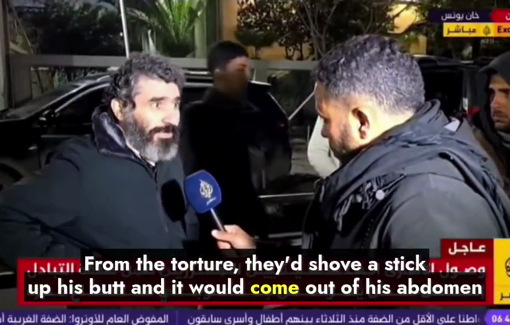
Mosab Haniyeh: sexually tortured to death
Gaza, Khan Younis, Hamad City
01 Mar, 2024 - 05 Dec, 2025
At least 1 martyred
**On February 25**, in a joint statement,the Commission of Detainees and Ex-Detainees Affairs and the Palestine Prisoner’s Society (PPS) confirmed that the Israeli occupation authorities had informed them of the death of Mus’ab Hani Haniyeh, 35, on 5 January, in Israeli custody.
Haniyeh, a father to a nine-year-old child, was arrested in Hamad City on 3 March last year. According to the statement, he had no known serious health conditions prior to his detention.
The Israeli army in a response confirmed Haniyeh’s death in January but made no mention of the cause. “The occupation indicates that an investigation is underway in an attempt to evade any international accountability,” the joint statement added.
Prisoner advocacy institutions denounce that :
- Prisoners endure systematic acts of torture, food deprivation, deliberate medical neglect, sexual abuse, and medical experimentation that lead to serious and fatal illnesses. The Commission for Prisoner Affairs and the Prisoners’ Club hold Israel fully responsible for the assassination of Musab Haniyah and call on the international community to take immediate action against Israel's war crimes.
- A deliberate Israeli strategy of concealing and manipulating information regarding the fate of detainees. The occupation systematically refuses to return the bodies of murdered prisoners, making any independent verification of the circumstances of their deaths impossible.
- Prisoner rights organizations warn that extrajudicial executions and targeted killings of detainees are an integral part of Israel’s war against the Palestinian people.
With the death of Haniyah, the number of prisoners killed in Israeli jails since the beginning of the genocidal war has risen to 59, including at least 38 from Gaza. This is the deadliest toll ever recorded in the history of the Palestinian prisoners' movement since 1967, bringing the total number of detainees killed by Israel since that date to 296.
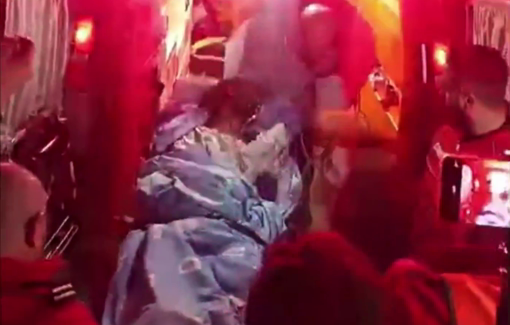
Kazem Zawahra: Comatose in Israeli prison
West Bank, Bethlehem, Beit Jala
22 Feb, 2024 - 27 Feb, 2025
At least 2 martyred
Past midnight on February 27, 2025, Kazem Zawahra was freed from Israeli captivity as part of the "prisoner" exchange deal.
Kazem was shot in the head and abducted at the illegal Israeli Al-Zaeem checkpoint, east of Jerusalem on February 22, 2024.
Kazem, along with his brother Mohammad and their friend Ahmad Al-Wahsh had carried out an armed resistance operation killing an Israeli occupation soldier and wounding eight others. Mohammad and Ahmad were killed by Israeli forces.
In July 2024, the Israeli military demolished Kazem's family home and severely beat his father.
While in coma, Kazem's wife was pregnant with their first child.