
Genocide .live

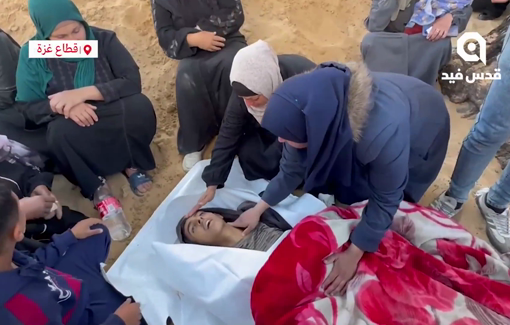
Israel kills 17 year-old and 3 other Palestinians in North Gaza
Gaza, Beit Lahia, North Gaza
11 April, 2026
At least 4 martyred
Around 3:45 pm, an Israeli strike targeted a gorup of people in Beit Lhaia, killing at least 4 people.
**Names of the martyrs (identified):**
1. Husam Abu Taleb Al-Masri (17 y/o)
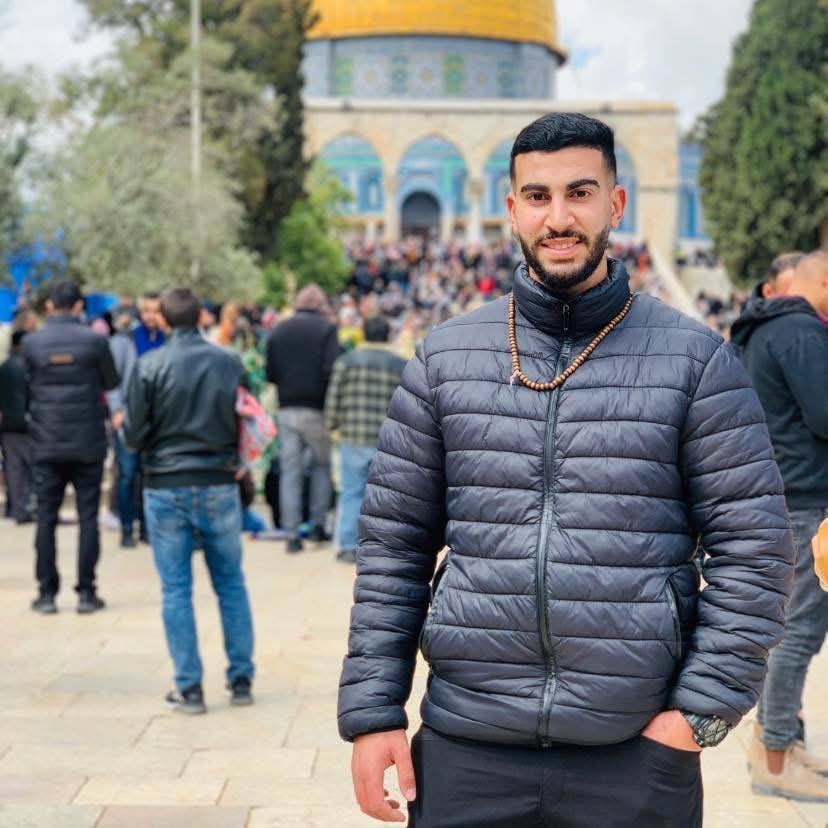
Assassination of Ali Majid Hamadna by settlers in Deir Jarir
West Bank, Deir Jarir, Al-Bireh
11 April, 2026
At least 1 martyred
On April 11, 2026, a group of armed settlers stormed the town of Deir Jarir, northeast of Ramallah. They attacked Deir Jarir from its western entrance and spread through its streets, and opened fire at residents, during which the young man was critically injured, where a bullet penetrated his back and chest, and he arrived at the Palestine Medical Complex in a very critical condition and later succumbed to his wounds. Israeli forces stormed the town to provide protection for the settlers during the attack.
The death was communicated by the ministry on Telegram.
**Name of the martyr:**
Ali Majid Hamadna, 23
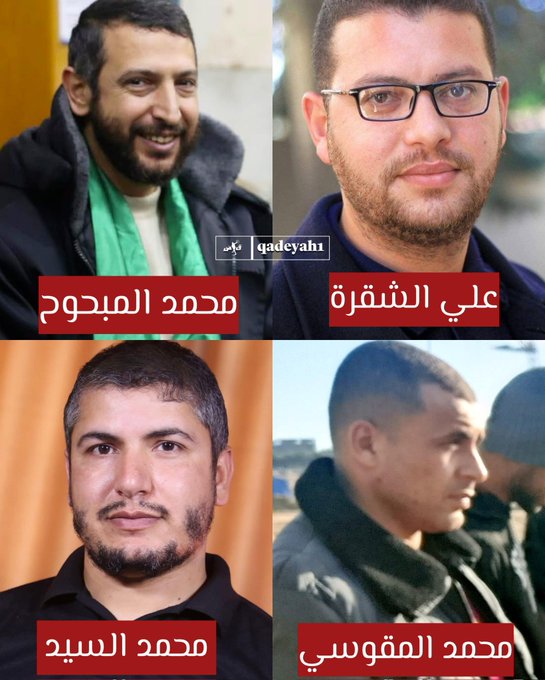
Late night Israeli massacre of 6 Palestinians in Central Gaza
Gaza, Deir al-Balah, Bureij
11 April, 2026
At least 6 martyred
Around 1:40 am, an Israeli airstrike targeted a group of people in the Bureij camp in central Gaza, killing 6 people, including a journalist.
**Names of the martyrs (identified):**
1. Ali Sami Al-Shaqra "Abu Muslima"
2. Muhammad Fouad Al6Sayed "Abu Watan" (journalist)
3. Musa Saleh
4. Saleem Al-Maghari
5. Muhammad Ibrahim Abdulmajid Al-Maqousi
6. Muhammad Al-Mabhouh "Abu al-Hasan"
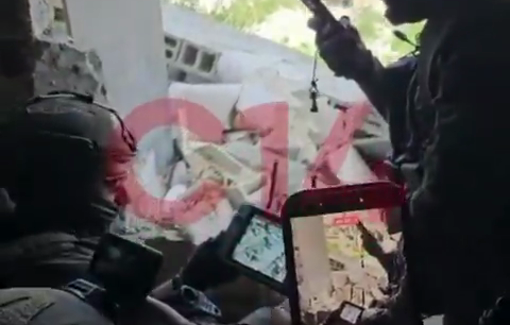
Explosion of a bulding in Tulkarem
West Bank, Tulkarm
10 April, 2026
On April 10, 2026, At 14:40, the Israeli forces blew up a 4-storey house in Tulkarm camp, owned by the citizen Saeed Ahmed Abdel Razek. A massive explosion was heard across Tulkarm and its surrounding areas, while thick columns of smoke rose from the site of the blast inside the camp.
The explosion occurred in the Balawneh neighborhood of the camp. The extent of the damage and the number of affected homes remain unknown due to the ongoing siege and restrictions preventing access to the area.
**Borader context:** since day 28. 01. 2025 The Israeli forces continued their storming of the city of Tulkarm and the Tulkarm and Nour Shams camps in the city, and continued their occupation of a number of buildings and houses, turning them into military points, and sniper positions, with live ammunition fired at anyone attempting to enter. Israeli forces have imposed a siege on the camp for 439 consecutive days, forcibly displacing its entire population and preventing residents from returning.
See [this event](https://genocide.live/event/1575) for more details
Massacre on Government Sites in Nabatieh
Lebanon, Nabatiyeh, South Lebanon
10 April, 2026
At least 13 martyred
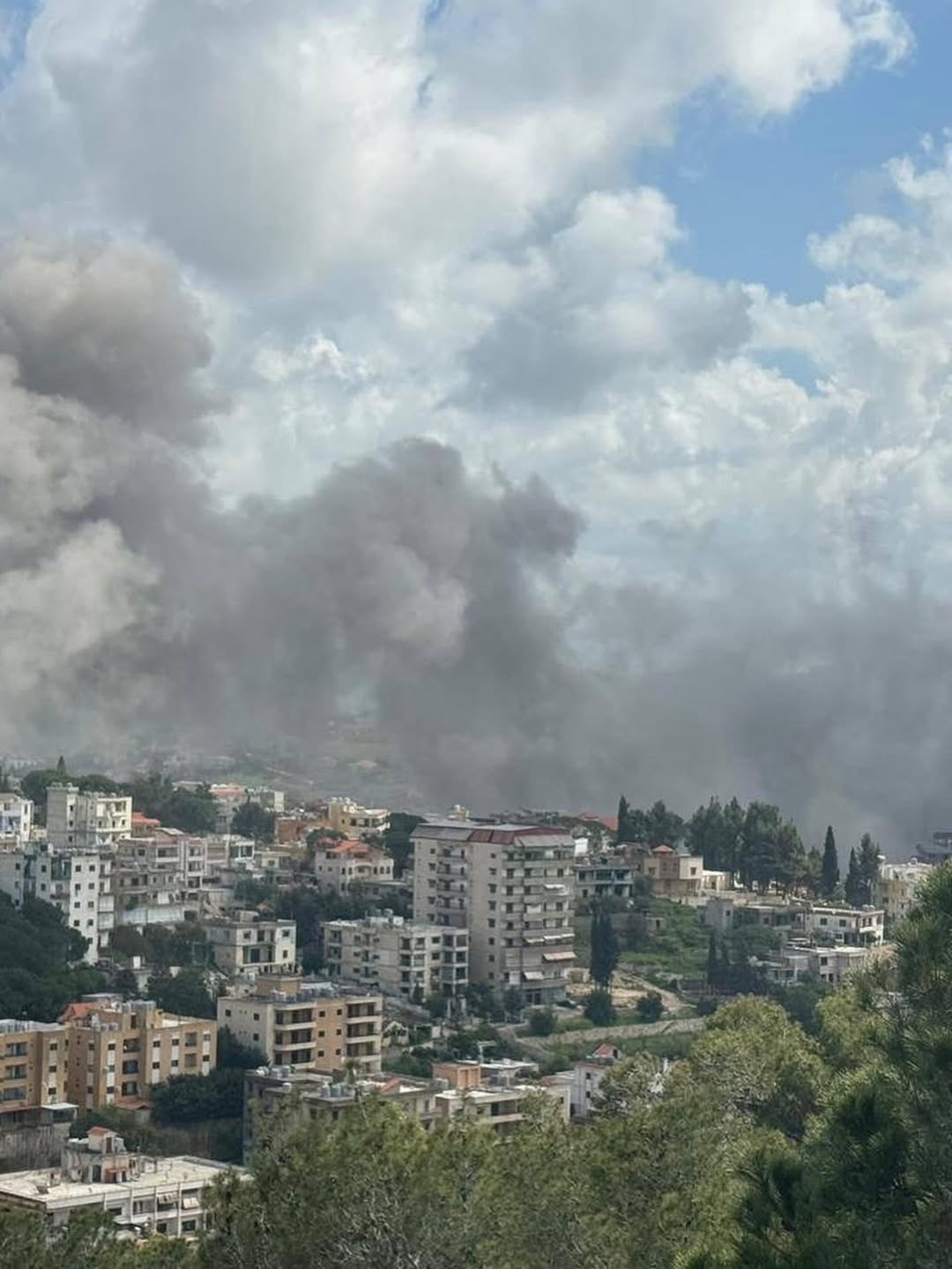
On 10 April 2026, Israeli airstrikes hit southern Lebanon, including the city of Nabatieh, where a government building / State Security office complex was struck.
At least 13 Lebanese state security personnel were killed in Nabatieh, according to Lebanese authorities and presidential statements. Some reports indicate at least 8 security personnel killed in Nabatieh specifically, within a broader toll of at least 21 killed across Lebanon that day.
The strike hit a government building in Nabatieh, causing extensive destruction and fire. The personnel killed were described as members of Lebanon’s state security forces / internal security apparatus.
The Nabatieh strike was part of a wider wave of Israeli attacks across Lebanon on 10 April 2026, following major escalations earlier in April. The broader campaign involved continued strikes across southern Lebanon and other regions, with dozens of casualties reported nationwide that day.
Lebanese officials, including the president, condemned the strike as targeting state institutions.
Israel has not issued a detailed public response specifically addressing this incident (as of the cited reports).
Israel murders journalist Mohamed Washah
Gaza, Gaza City, Al-Nabulsi roundabout
08 April, 2026
At least 2 martyred
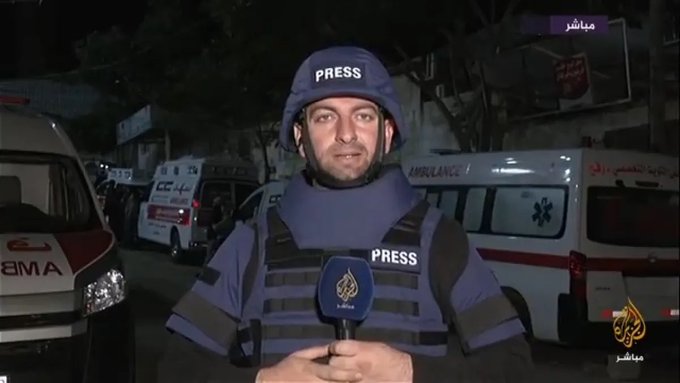
Aounrd 6:30 pm, an Israeli airstrike targeted a car at Al-Nabulsi roundabout in the Sheikh Ijleen area in Gaza City. The car was being used by journalist Mohamed Washah, a correspodent for Al Jazeera Mubasher, who was killed on the spot along with another person.
**Names of the martyrs (identified):**
1. Mohamed Sameer Washah
'Eternal Darkness' Israeli operation on Lebanon
Lebanon
08 April, 2026
At least 380 martyred
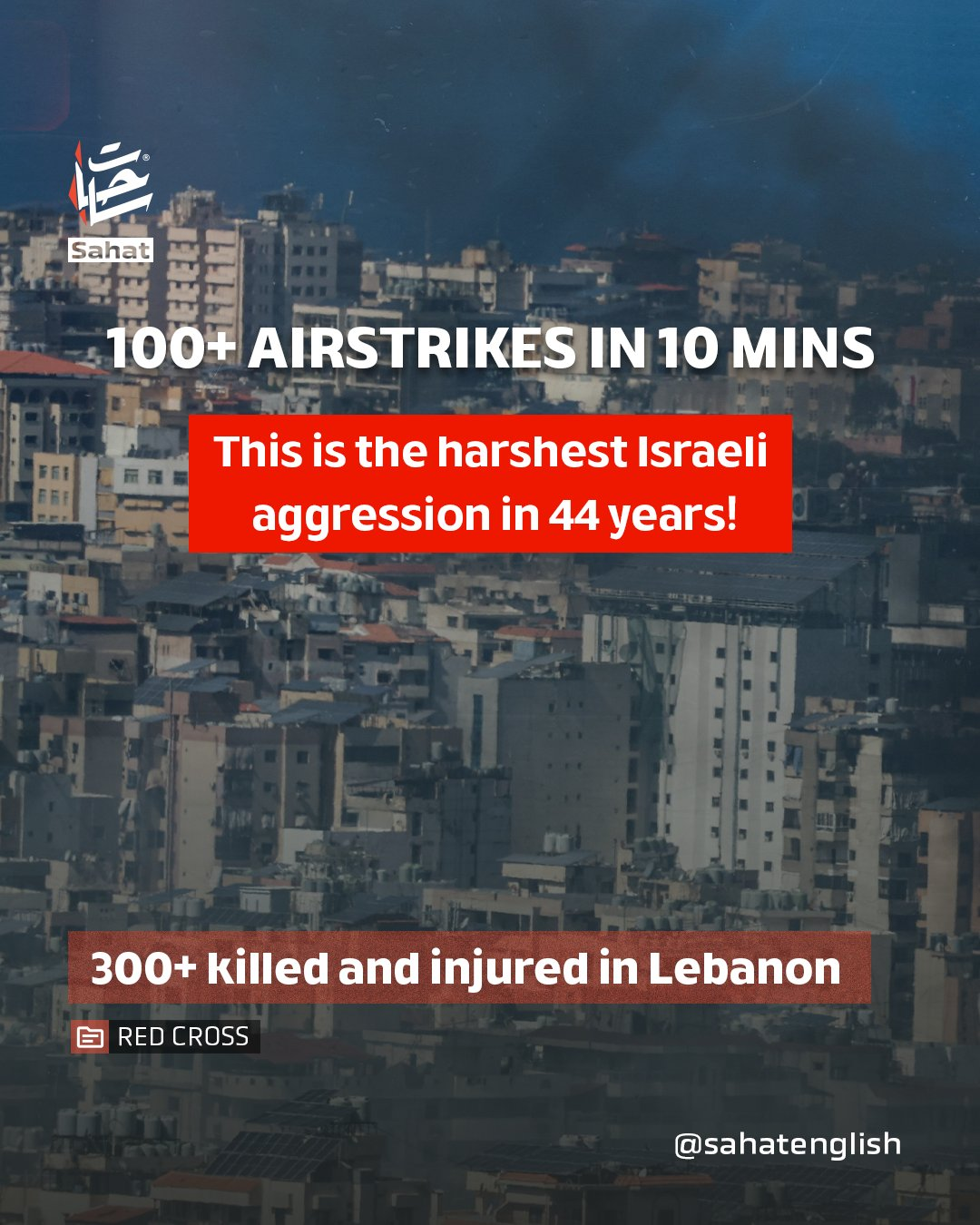
On April 8, 2026, the Israeli military announced the launch of Operation “Eternal Darkness”, describing it as its largest wave of strikes across Lebanon since the start of what it calls Operation “Roaring Lion”. According to the IDF, dozens of fighter jets struck more than 100 targets across Beirut, the Bekaa Valley, and southern Lebanon within approximately 10 minutes. The military said the strikes targeted Hezbollah positions, stating that the group is “embedded in the heart of civilian areas.”
Israeli airstrikes struck at least five heavily populated neighborhoods of Beirut without warning during one of the busiest times of the day, causing scenes of chaos and fear across the city. Families carrying bags and traumatized children gathered on the streets, unsure where to go, while people frantically called loved ones to check if they were safe.
In Corniche Al Mazraa, one of the strikes destroyed a residential building and a nearby commercial warehouse, badly damaging surrounding buildings. Witnesses described panicked families jumping from balconies immediately after the blast to escape collapsing structures and spreading fire. Thick smoke and dust remained in the air for hours.
Rescue workers were deployed to multiple strike sites and worked through the night searching for survivors and recovering bodies from the rubble. At one site in Beirut, a rescue worker said they were still pulling people out, highlighting the ongoing emergency. In the upscale residential neighborhood of Caracas, rescuers had already recovered five bodies, while other victims remained trapped.
Residents expressed shock that quiet civilian neighborhoods had become targets. Many said they no longer felt safe anywhere in Lebanon, believing that anyone and any place could now be hit. Several people said they had never seen anything unusual in the affected buildings, and shop owners insisted the warehouse stored ordinary supplies such as diesel and electrical equipment.
Lebanese President Joseph Aoun condemned the strikes as “barbaric.” Meanwhile, the Israeli military claimed Hezbollah operatives had moved from Beirut’s southern suburbs into other parts of the capital, though it provided no evidence, raising fears that this accusation could inflame sectarian tensions and justify future strikes in new areas.
The attacks came only hours after a US-Iran ceasefire had raised hopes of regional de-escalation. However, Israel said the ceasefire did not apply to Lebanon, shattering hopes that the country would be spared. Hezbollah initially stated it would respect the ceasefire despite Israel’s position, but after the strikes it declared that the blood of the victims “would not be wasted” and said it had a legitimate right to respond.
As evening turned into night, the full scale of the humanitarian crisis became clearer. Lebanese media and emergency officials reported heavy casualties, with hospitals overwhelmed and operating at full capacity. The head of the Red Cross in Lebanon told Al-Araby that at least 300 people had been killed or injured in the Beirut strikes, which caused widespread destruction to homes, vehicles, and public spaces. Medical institutions across the capital issued urgent appeals for support: off-duty doctors were called back to work, roads were cleared for emergency vehicles, and major hospitals requested blood donations of all types. In a written statement, Elias Chlela, head of Lebanon’s syndicate of doctors, urged “all physicians from all specialities” to report to any hospital where they could assist.
As names and ages of the victims began circulating on social media, it became increasingly clear that women and children made up a significant share of the casualties.
Separate Israeli strikes also killed Ghada Dayekh, a presenter with Sawt Al-Farah in Tyre, and Suzan Khalil, a reporter and presenter with Al-Manar TV and Al-Nour Radio.
The timing of the strikes, coming shortly after the announcement of a U.S.-Iran ceasefire agreement overnight, has prompted intense reactions and speculation among observers about their broader regional implications. While Hezbollah had reportedly paused its attacks, U.S. President Donald Trump said in an interview with PBS that Lebanon was not included in the ceasefire arrangement because of Hezbollah.
**Israeli statements:**
IDF Chief of Staff Eyal Zamir said that the northern campaign was far from over, adding: “This is not a closing blow. We will continue until we are stopped.”
Defense Minister Israel Katz referred to the surprise blow and called it "the biggest concentrated blow that Hezbollah has suffered since Operation Beeper". Katz also said that "Naim Kasem did not understand what Nasrallah understood in his last moments". We warned that Hezbollah would pay a heavy price for its mission for Iran - and today we fulfilled another step in the promise. The personal turn of the arch-terrorist Naim Kasem will also come".
The IDF emphasizes that despite the ceasefire, intelligence gathering and surveillance of Iran will continue unabated. "The working assumption is that we will have to return to the war in Iran in a short time", added the senior officer, "this is necessary for removing the threat to Israel. We will present the achievements to the public, and he will judge".
**Death toll:**
On April 12, Updates on Lebanon’s Black Wednesday: The death toll has risen to above 380. Many remain missing and under the rubble. Families have been asked to provide DNA samples to help identify victims, as many bodies were recovered only as scattered remains…
**Summary of Israeli attacks on Lebanese territory on 8/4/2026:**
*Airstrikes:*
**South:**
Bint Jbeil
Kfarsir
Kfour
Dbeine
Nabatieh al-Fawqa
Jmeijmeh
Rihan
Srifa
Nabatieh
Harouf
Jbaa
Ain Qana
Zebdine
Sharqiyah
Mansouri
Shabriha
Dweir
Kfarjouz
Kfar Remman
Jebchit
Haboush
Qasiba
Louaizeh
Sir al-Gharbiyah
Sidon
Sarafand
Deir Zahrani
Tyre
Kherbet Selm
Arab Salim
Ansar
Sharqiyah
Zefta
Sidon
Houmine al-Tahta
Jouaya
Bisariyeh
Deir Qanoun al-Nahr
Sawaneh
Qalila
Haniyeh
Sahl Qalila
Kounine
Between Haris and Hadatha Al-Bazouriyeh
Arkay
Al-Sultaniyeh
Ansariyeh
Adloun
Batoulieh
Arnoun
Safad al-Batikh
Deir Antar
Briqaa
Between Ansar and Abba
Kafra
Zawtar al-Sharqiyeh
Yahmar
Qaqaiyat al-Jisr
Toul
Maaroub
Siddiqin
Qlawieh
Shaqra
Al-Abbasiya
Between Barashit and Beit Yahoun
Jisr al-Qasmiyeh
Al-Ghandouriyeh
**Baalbek and the Bekaa:**
Douris
Shamshtar
Al-Hermel
Al-Karak
Sahl Tariya
Sahmar
Mashghara
Al-Qatrani
Yahmar
Al-Ahmadiyeh
**Southern Suburbs and Beirut:**
Al-Awza'i
Bir Hassan - Al-Rahab
Tallat al-Khayyat
Hay al-Salloum
Al-Shiyah - Maroun Misk
Burj al-Barajneh - Al-Raml al-Aali
Al-Manara
Ain al-Mreisseh
Corniche Al Mazraa
Musaitbeh
Al Basta
Ain El Tineh
**Mount Lebanon:**
Shuwayfat (Al Umaraa District)
Kayfoun
Qmatiyeh
Ain El Saydeh
Aitat
Souq El Gharb
Aramoun (Al Bayader)
Bshamoun (Al Madaris)
*Drone strikes:*
Sidon,
Al Qalila,
Qana,
Al Sma'iya,
Siddiqin,
Kfardounin,
Al Qasmiya,
Blat,
Al Shahabiya,
Zamriya-Marj Al Zuhour,
Kfar Melki,
Burj Qalawiya,
Al Kharayeb,
Deir Al Zahrani
*Artillery shelling:*
Kfar,
Aita El Jabal,
Haris,
Tibnin,
Zawtar Al Gharbiya,
Zawtar Al Sharqiya,
Majdal Selm,
Al Khiam,
Wadi Al Hujair,
Barashit,
Toulin,
Beit Yahoun,
Qabrikha,
Al Jmaijmeh,
Sahl Al Khiam Shaqra,
Dabbin,
Al-Mansouri
Israel destroyed the Rafi-Nia Synagogue in Tehran
Iran, Tehran
07 April, 2026
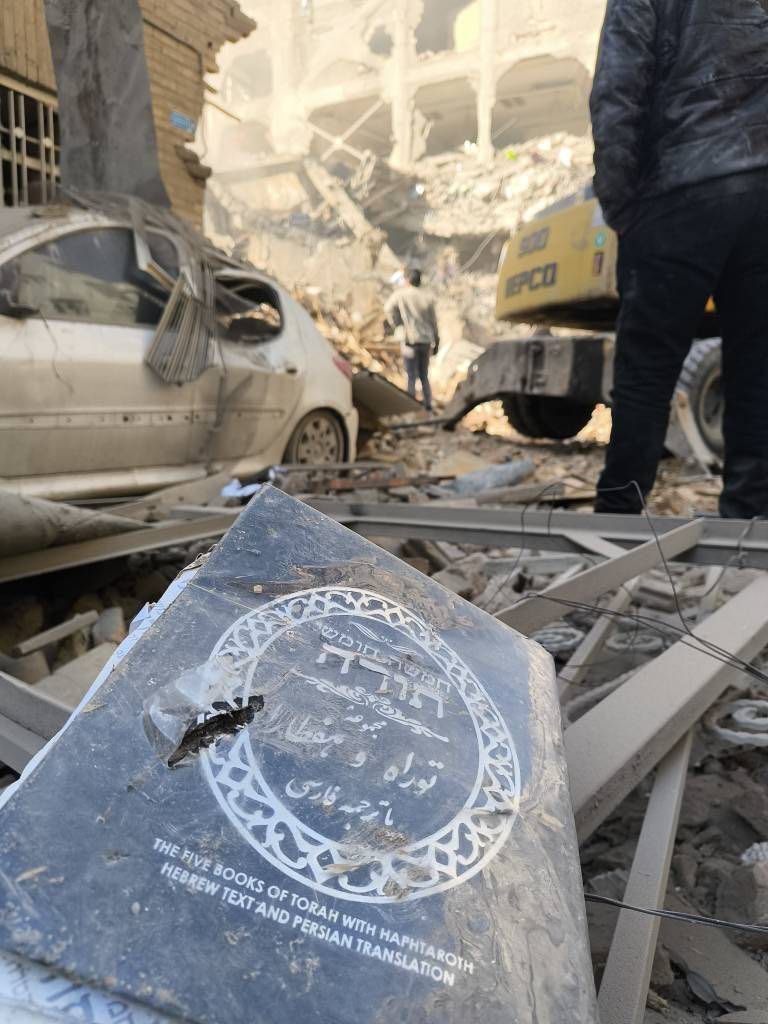
On April 7, 2026, Israeli airstrikes early Tuesday reportedly completely destroyed the Rafi-Nia Synagogue in Tehran.
The strike took place at around 4:00 a.m. local time (00:30 GMT). Preliminary reports stated that the synagogue, located in the Iranian capital, was almost entirely reduced to rubble. Video footage released by IRNA showed a heavily destroyed building in a narrow alley, along with ongoing cleanup operations.
The Rafi-Nia Synagogue as one of the most important gathering and celebration sites for Jews from Khorasan, the northeastern region of Iran. Built in the 20th century, it was mainly used by members of the Khorasani Jewish community.
Judaism is one of Iran’s officially recognized minority religions, alongside Sunni Islam, Zoroastrianism, and Christianity, each of which has representation in parliament. Although no official figures are publicly available, Iran is believed to be home to several thousand Jews, making it one of the largest Jewish communities in the Middle East outside Israel.
**Israeli statements:**
The IDF does not immediately comment on the matter, and there is no independent confirmation of the claim.
The Foreign Ministry is looking into the reports, an Israeli official tells The Times of Israel.
On April 7, in response to a query by The Times of Israel, the IDF said that it struck a top commander from Khatam al-Anbiya, Iran’s military emergency command. “Reports were received that a nearby synagogue was also damaged in the strike. The IDF regrets the collateral damage to the synagogue and emphasizes that the strike was directed at a senior military target within the regime’s armed forces,” the IDF said. The army insisted that it took steps to “minimize the risk of harm to civilians” in the strike, “including the use of precise munitions and aerial surveillance.”
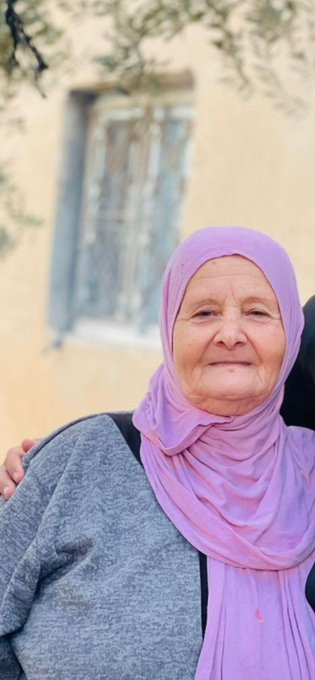
Murder of Sabriya Amin Shamasneh, 68, during a home invasion
West Bank, Qalqilya, Jayyous
07 April, 2026
At least 1 martyred
On April 7, 2026, in the middle of the night, Israeli forces raided the town of Jayyous, east of Qalqilya, in the occupied West Bank at around 2:00 AM from its eastern entrance and raided several homes, including that of Walid Mustafa Shamasneh.
His wife, an elderly Palestinian woman, Sabriya Amin Shamasneh, 68, was abused and mistreated and subsequently died early Tuesday morning. Medical sources said that Shamasneh suffered a sudden heart attack during the raid and was rushed to Darwish Nazzal Governmental Hospital in Qalqilya, where she was pronounced dead.
Israeli forces stormed the house courtyard and tried to enter by force, which caused panic among the residents. The elderly woman was shocked to find the soldiers in front of the door and was subjected to severe fear and distress as a result of the screaming before she fell to the ground and suffered a heart attack that killed her.
Other testimonies insist on the brutality of the home invasion and on the fact that the residents were assaulted. Her husband, Hajj Walid Shamasneh, testifies that a soldier shocked her head against the wall and beat her with his weapon, leading to this heart attack : “He struck her with his weapon; her head hit the wall. I told him, ‘She’s dead,’ and he said, ‘Take her to the hospital,’ and they left.”
**Name of the martyr:**
Sabriya Amin Shamasneh, 68 years old
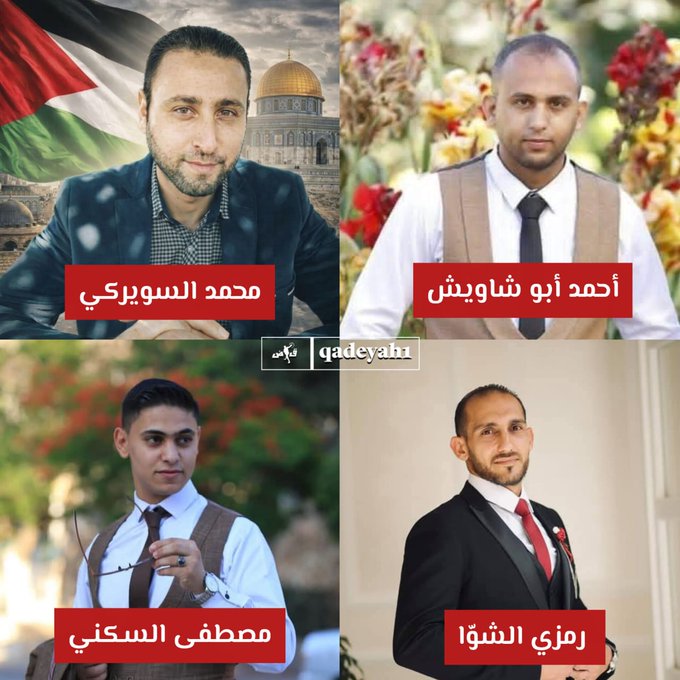
Israel bombs a security checkpoint in Gaza
Gaza, Gaza City
05 April, 2026
At least 4 martyred
Around 1:30 am, an Israeli airstrike targeted a police checkpoint near Al-Shawwa square, eastern Gaza City, killing at least 4 men.
**Names of the martyrs:**
1. Ahmad Abu Shawish
2. Muhammad Al-Suweirki
3. Ramzi Al-Shawwa
4. Mustafa Al-Sakani